
📖This article is part of the complete guide to Brick & Masonry Exterior Painting.
Painting brick or masonry in the East Bay is not a standard house painting job; it is a chemical process. In my experience working with homeowners in Newark, California, the biggest mistake I see is the application of standard latex paint over porous masonry, which inevitably leads to peeling and moisture traps within 24 months. Because Newark's proximity to the salt marshes and the shifting humidity of the San Francisco Bay Area creates a unique atmospheric stress on porous surfaces, the choice of primer and breathable coatings is the difference between a decade of beauty and a costly stripping project.
For a comprehensive overview of professional standards, explore our guide on brick & masonry exterior painting.
What is Brick & Masonry Exterior Painting in Newark, CA?
📚
Definition
Brick & masonry exterior painting is the process of applying specialized, breathable coatings—such as elastomeric paints or mineral-based silicates—to brick, stone, or concrete surfaces to provide aesthetic updates and weather protection.
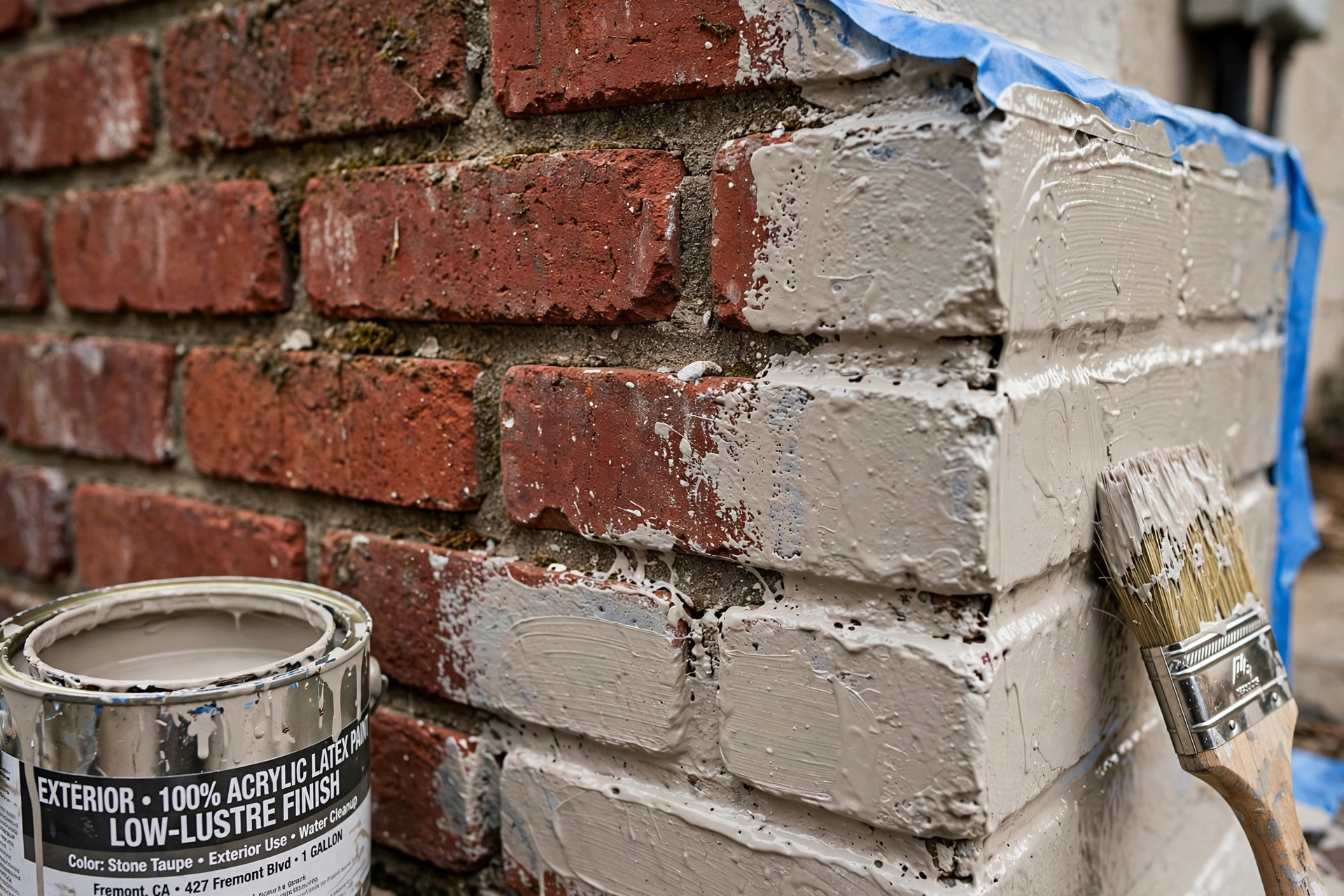
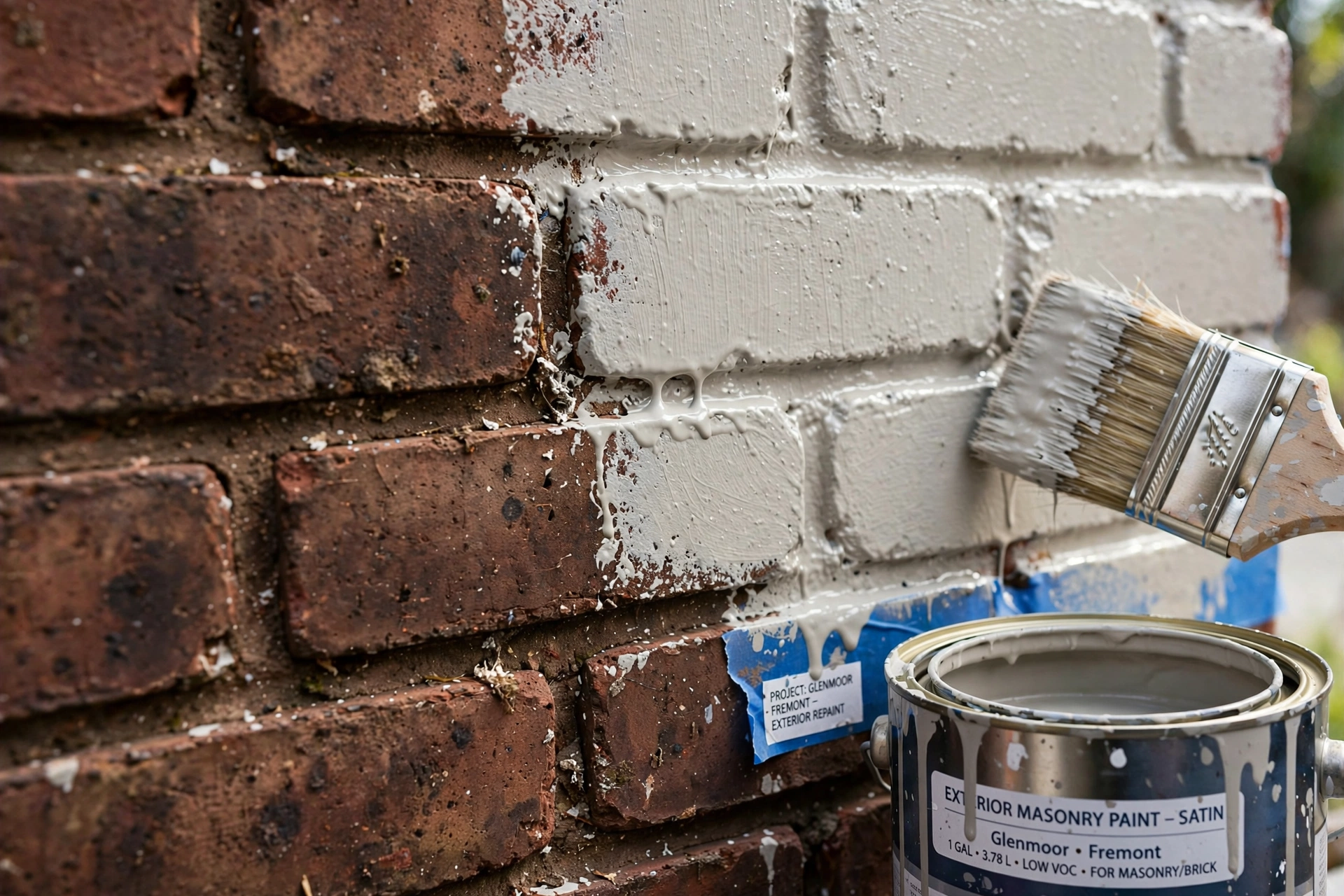
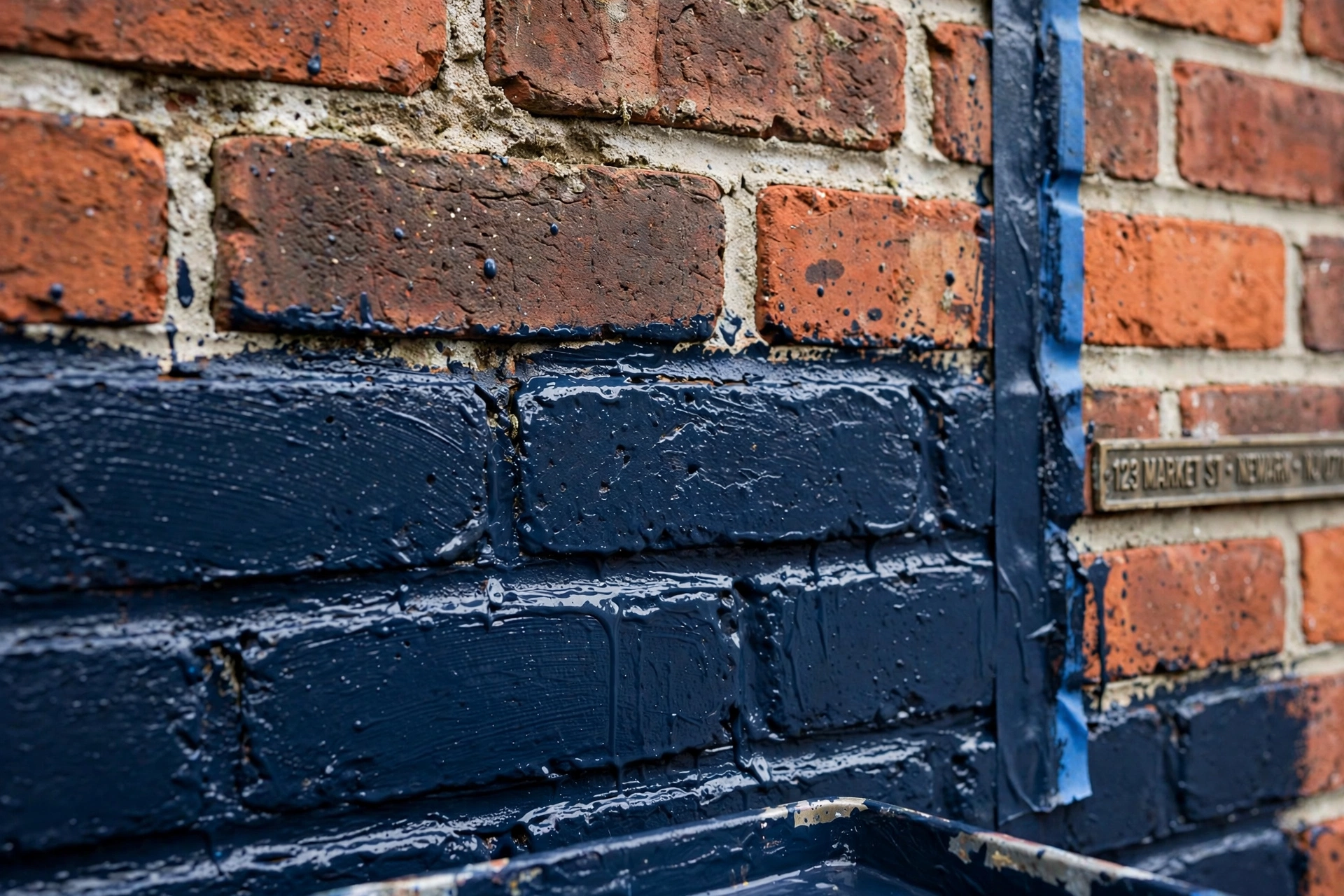
Brick and masonry exterior painting in Newark, CA, involves more than just changing a color; it is a strategic effort to seal and protect the structural integrity of a building's envelope. Unlike wood or drywall, masonry is highly porous, meaning it "breathes" by absorbing and releasing moisture. If a contractor uses a non-breathable, "plastic" paint, they effectively trap water inside the brick. When that water freezes or expands during temperature shifts, it pushes the paint off the surface, causing what we call "spalling."
At World Pro Painting, we utilize high-performance coatings from Sherwin-Williams that are engineered to allow vapor permeability. This ensures that while liquid water is kept out, water vapor can still escape. In Newark, where we see a mix of industrial commercial spaces and residential suburbs, this technical distinction is what prevents structural degradation. Proper masonry painting requires a rigorous preparation phase: power washing to remove efflorescence (the white salty powder often seen on bricks), patching mortar joints, and applying a masonry-specific primer that bonds chemically to the mineral surface.

Why Does Professional Masonry Painting Matter for Newark Property Owners?
Professional brick and masonry exterior painting is essential because Newark’s unique geography—situated between the hills and the bay—subjects buildings to significant moisture fluctuations and salt-air corrosion. When masonry is left unsealed or improperly painted, it absorbs water, which can lead to interior mold, crumbling mortar, and a total loss of curb appeal. According to the Painting Contractors Association (PCA), properly applied coatings can extend the life of a masonry exterior by preventing the penetration of pollutants and water, which are the primary causes of masonry decay.
For commercial property owners in Newark's industrial zones, the ROI on professional masonry painting is found in the reduction of long-term maintenance costs. A professional application prevents the need for expensive tuck-pointing (replacing mortar joints) every few years. By using a high-build elastomeric coating, we create a flexible membrane that bridges hairline cracks, preventing water from infiltrating the building envelope. This is particularly important for larger warehouses and office complexes where the sheer surface area makes manual mortar repair prohibitively expensive.
Furthermore, the aesthetic impact on property value in the East Bay is substantial. A dated, stained brick exterior can make a property look neglected, whereas a modern, clean color palette increases marketability. In my experience, a well-executed masonry project in Newark can increase a property's perceived value by 5% to 10%, as it signals to buyers or tenants that the owner has invested in high-level preventative maintenance. This is especially true for multi-family units where the exterior is the first thing a prospective renter sees.
How to Execute a Professional Brick Painting Project in Newark, CA
Executing a high-quality brick and masonry project requires a strict adherence to the 5-step preparation process. You cannot simply roll paint onto a brick wall and expect it to last. The process must be clinical and thorough to avoid the failure of the coating.
- Surface Decontamination: We begin with a high-pressure power wash to remove dirt, algae, and efflorescence. Efflorescence is a salt deposit that occurs when water moves through the masonry; if you paint over it, the paint will peel almost immediately. We use specific masonry cleaners to neutralize these salts.
- Mortar Inspection and Repair: We examine every joint. If the mortar is crumbling or recessed, we perform patching to ensure a flat, stable surface. This prevents "valleys" in the paint where water can pool.
- Lead Safety Screening: For older buildings in the Bay Area, we must ensure there is no legacy lead paint. According to the Environmental Protection Agency (EPA), the RRP Rule requires specific containment and cleaning methods when dealing with lead-based paint to protect the residents and the environment.
- Priming with Masonry Sealers: We apply a high-alkali resistant primer. Masonry has a high pH level that can "burn" through standard paints. A dedicated masonry primer stabilizes the pH and creates a chemical bond with the brick.
- Topcoat Application: We apply two coats of premium masonry paint. Depending on the client's needs, we may use an elastomeric paint for maximum waterproofing or a flat acrylic for a more natural look.
For those managing projects in nearby areas, we also provide specialized services such as Brick & Masonry Exterior Painting in Fremont, CA and targeted work for the Niles area of Fremont, ensuring that regional microclimates are accounted for in the material choice.
Comparison: Painting Approaches for Newark Masonry
Not all painting methods are created equal. Many homeowners try to save money by hiring "handymen" or using DIY kits, but the results in the California Bay Area are often disastrous due to the humidity.
| Feature | Traditional DIY Approach | Cheap "Contractor" Approach | World Pro Painting Approach |
|---|---|---|---|
| Preparation | Basic soap and water | Quick power wash, no salt treatment | 5-step prep including efflorescence removal |
| Materials | Standard Exterior Latex | Low-VOC generic acrylic | Breathable Elastomerics / Mineral Silicates |
| Bonding | No primer or generic primer | Single coat of cheap primer | High-alkali resistant chemical bonding agents |
| Durability | 1-3 years (peeling) | 3-5 years (fading/cracking) | 6-Year Guarantee (Long-term stability) |
| Risk | High risk of trapped moisture | Moderate risk of spalling | Zero-risk professional application |

Common Mistakes to Avoid When Painting Brick in Newark
One of the most frequent mistakes I encounter in Newark is the use of a "flat" paint on a surface that requires a satin or semi-gloss finish for cleaning. Brick is naturally textured; flat paint traps dust and smog from the nearby I-880 corridor, making the wall look dirty within months. I always recommend a slight sheen to allow for easier washing.
Another critical error is painting too early in the day. In the East Bay summer, the sun can bake a brick wall to temperatures exceeding 120 degrees. If paint is applied to a hot surface, it "flashes"—meaning the solvent evaporates too quickly—leaving the paint unable to bond properly to the pores. This results in a chalky finish that rubs off on your hand. We schedule our applications to avoid peak thermal windows.
Finally, many people ignore the "breathing" aspect of masonry. If you apply a thick, non-permeable coating, you are essentially wrapping your house in plastic. When the interior of the house is warmer than the exterior, moisture condenses inside the wall. This is a recipe for structural rot. Always verify that your contractor is using vapor-permeable paints, a standard we maintain at World Pro Painting to ensure the longevity of your investment.
For residents in neighboring districts, we suggest reviewing our methods for Brick & Masonry Exterior Painting in Irvington, Fremont or our specialized work in Glenmoor, Fremont to see how we adapt to different neighborhood styles.
Frequently Asked Questions
Will painting my brick in Newark cause it to crack over time?
No, provided that the correct breathable paints are used. Cracking usually occurs when non-permeable paints trap moisture inside the brick. During temperature shifts, this trapped water expands, causing the paint to peel or the brick surface to flake (spalling). By using professional-grade elastomeric or silicate paints, we ensure that moisture can escape, preserving the structural integrity of the masonry while adding a protective layer.
How often does brick paint need to be refreshed in the Bay Area?
Typically, a professional masonry paint job lasts between 7 to 10 years, depending on the exposure to the sun and salt air. Because Newark has high UV exposure and proximity to the bay, we recommend a professional inspection every 3 years. Our 6-year guarantee ensures that our applications stand up to these conditions, but a fresh topcoat every decade keeps the colors vibrant and the seal intact.
Can you paint over old, peeling paint on a brick wall?
Yes, but it cannot be simply painted over. The old, failing paint must be mechanically removed using scrapers or pressure washing to reach a stable substrate. Painting over peeling paint is like building a house on sand; the new layer will only hold as long as the old layer does. We perform a full surface restoration to ensure a smooth, professional finish that doesn't show the "ghosting" of old cracks.
What is the best color for brick painting in Newark, CA?
While color is subjective, the trend in the East Bay has shifted toward "Modern Farmhouse" whites, deep charcoal grays, and muted sage greens. These colors not only improve curb appeal but also help with thermal regulation. Lighter colors reflect more sunlight, potentially reducing cooling costs during the hot Newark summers. We provide professional color consultations to ensure the chosen hue complements the surrounding architecture.
Is it legal to paint brick in a Newark HOA community?
Most Homeowner Associations (HOAs) have specific guidelines regarding exterior colors and materials. In many Newark communities, you must submit a color palette and a material specification sheet for approval. Because we are licensed contractors (CSLB #1142478), we can provide the technical documentation your HOA requires to prove that our process is non-destructive and adds value to the community.
Conclusion
Brick and masonry exterior painting in Newark, CA, is a high-stakes investment. When done correctly, it transforms a dated building into a modern landmark while protecting the structure from the unforgiving Bay Area elements. When done poorly, it creates a moisture trap that can lead to thousands of dollars in structural repair. The difference lies in the preparation, the chemistry of the paint, and the expertise of the crew.
At World Pro Painting, we don't just apply paint; we engineer a protective envelope for your property. From removing efflorescence to applying the final coat of breathable elastomeric paint, our process is designed for the long haul. Whether you have a residential home in a quiet Newark suburb or a commercial facility near the industrial parks, we provide the precision and licensing required to do the job right the first time.
Stop worrying about peeling paint or crumbling mortar. For a comprehensive overview of our high-standard processes, explore our main guide on brick & masonry exterior painting. Contact World Pro Painting today to schedule your free on-site estimate and secure a 6-year guarantee on your Newark property.
Visit us at worldpropainting.com to start your project.
Get 15% Off Exterior Painting This Month
Schedule your free estimate today and secure your spot in our calendar.
Bay Area Property Painting Prep & Architectural Color Guide
Get our complete 5-step preparation checklist and climate-appropriate Sherwin-Williams & Benjamin Moore color guide for Bay Area homes, HOAs, and commercial properties.