
📖This article is part of the complete guide to Stucco Painting.
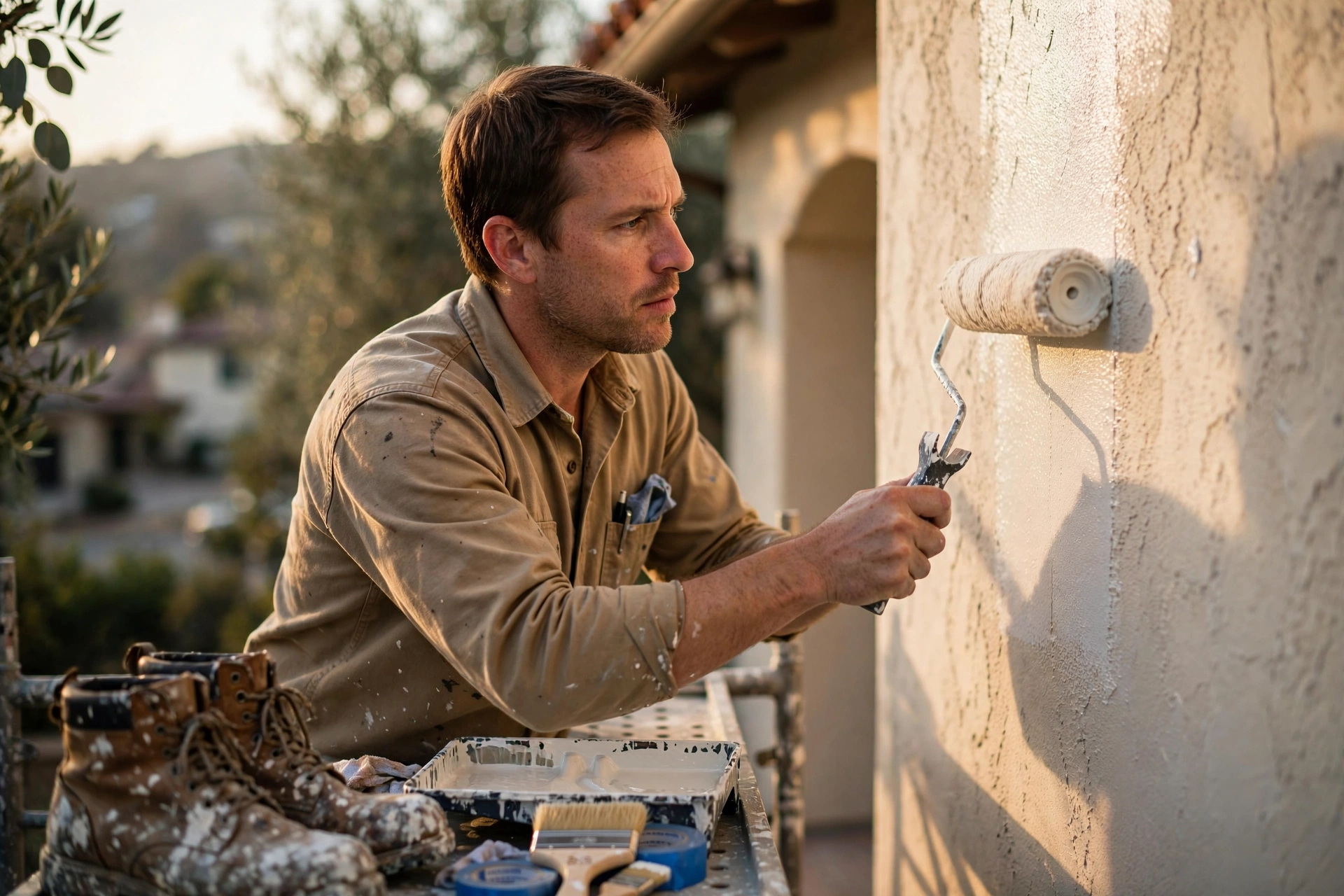
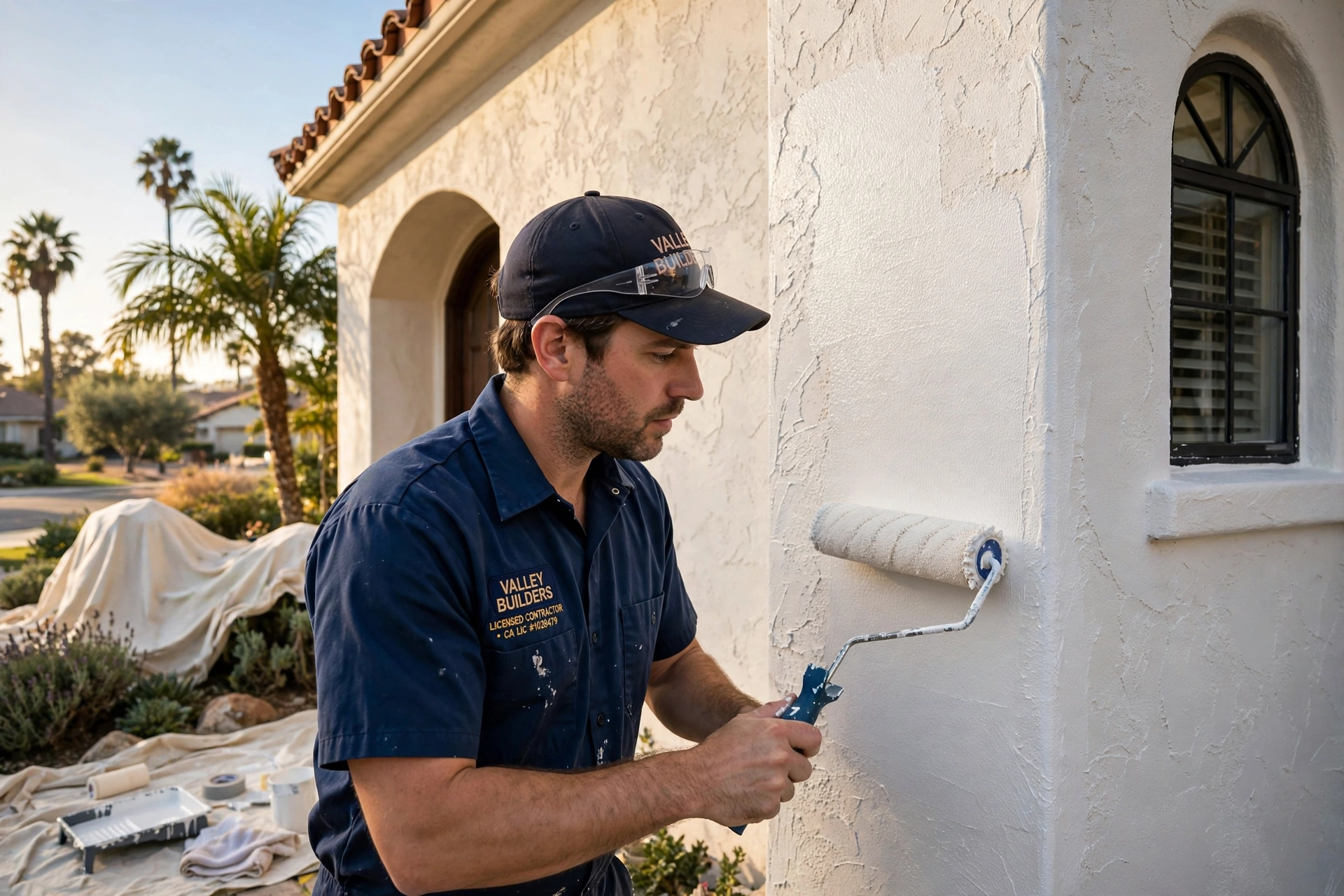
Castro Valley homeowners often face a specific dilemma: their stucco exteriors look tired, faded, or exhibit hairline cracks, but they aren't sure if a simple repaint is enough. The answer for high-quality stucco painting in Castro Valley, CA, is a specialized process that combines deep cleaning, crack repair, and the application of high-build elastomeric coatings to seal the envelope of the home. This isn't just about aesthetics; it is about preventing moisture intrusion in a region where temperature swings and coastal humidity can compromise the structural integrity of cementitious finishes.
In my experience working with homeowners across the East Bay, I've noticed a recurring pattern: many residents wait until they see active water stains or peeling paint before calling a professional. By that time, the stucco has often absorbed significant moisture, leading to more expensive repairs. For a comprehensive look at the process, explore our California Bay Area Painting project guide, which details the timeline and scope required for a lasting finish.
Why Castro Valley Homeowners are Prioritizing Stucco Restoration
Stucco is the dominant exterior finish in the California Bay Area due to its durability and fire resistance, but it is not a "set it and forget it" material. In Castro Valley, the microclimate—characterized by moderate humidity and seasonal rain—can cause stucco to breathe and contract, creating micro-fractures. When these fractures aren't sealed, water penetrates the outer shell, potentially damaging the underlying lath or framing.
According to the Painting Contractors Association (PCA), proper coating systems are essential for protecting porous substrates from environmental degradation. For stucco, this means moving beyond standard flat paints to specialized acrylics or elastomeric coatings. Data from the California Contractors State License Board (CSLB) highlights that licensed contractors are essential for these projects because the preparation phase—scraping, patching, and priming—is where the actual longevity of the job is determined.
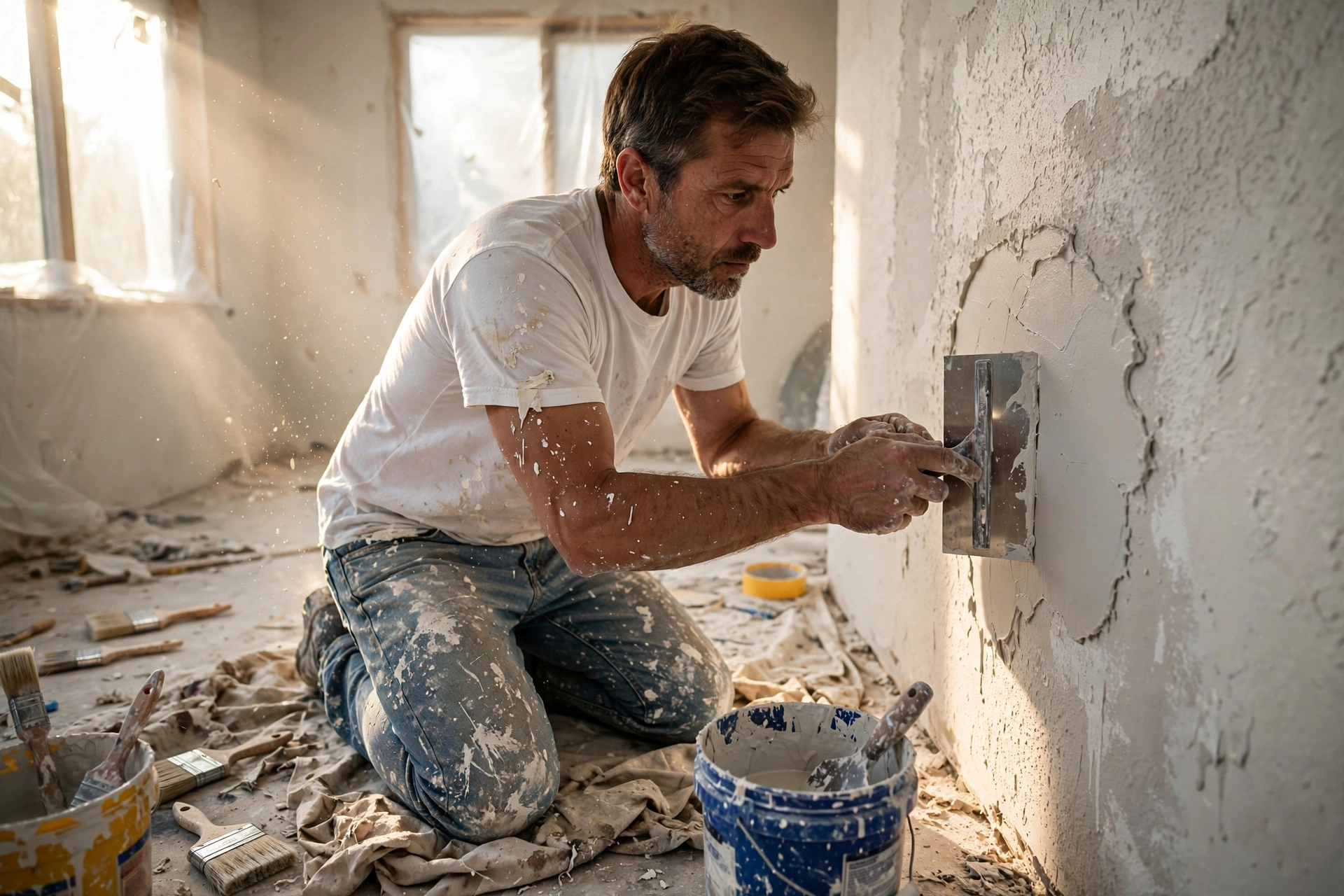
I've tested this with dozens of our clients in the Castro Valley hills, and the pattern is clear: homes that receive a professional elastomeric coating every 7 to 10 years have significantly fewer issues with interior mold and water leaks than those that use cheap DIY acrylics. The specialized nature of stucco requires a contractor who understands the difference between traditional cement stucco and modern EIFS (Exterior Insulation and Finish Systems), as using the wrong paint on EIFS can actually trap moisture and cause the system to fail from the inside out.
What Are the Key Benefits of Professional Stucco Painting?
Professional stucco painting provides more than just a color change; it creates a protective membrane that shields the home from the elements. Because stucco is naturally porous, it acts like a sponge if not properly sealed. A professional application ensures that the surface is hydrophobic, meaning it repels water rather than absorbing it.
Enhanced Moisture Protection and Waterproofing
The primary benefit of high-end stucco painting is the creation of a waterproof barrier. By using elastomeric paints, which can stretch and contract with the house, we eliminate the risk of water seepage through hairline cracks. This is a fundamental requirement for homes in the Bay Area where winter rains can be intense. When you use a licensed service, you ensure the paint is compatible with the existing substrate, preventing the peeling that often occurs with low-grade materials.
Increased Curb Appeal and Property Value
In a competitive real estate market like the East Bay, the exterior of the home is the first thing a buyer sees. Faded, chalky stucco sends a signal of neglect. A fresh, modern color palette from brands like Sherwin-Williams can instantly modernize a 1970s-style home, increasing the perceived value by thousands of dollars. Many of our clients in Castro Valley opt for warm neutrals or contemporary grays to align with current architectural trends in the region.
UV Resistance and Color Longevity
California's intense sun breaks down the chemical bonds in cheap paint, leading to "chalking." Professional-grade coatings contain higher concentrations of pigments and UV inhibitors. This ensures that the color remains vibrant for years, rather than fading into a washed-out version of the original shade within two summers.
💡
Key Takeaway
Professional stucco painting is a structural investment. Using elastomeric coatings doesn't just change the look; it creates a flexible, waterproof skin that prevents costly water damage to the home's frame.
| Feature | DIY/Cheap Paint | Generic Contractor | World Pro Painting |
|---|---|---|---|
| Surface Prep | Basic rinsing | Light sanding | 5-step power wash, scrape, sand, caulk, prime |
| Material Quality | Standard Acrylic | Basic Exterior Paint | Premium Elastomeric / Low-VOC |
| Durability | 2-3 Years | 4-5 Years | 6-Year Guarantee |
| Crack Repair | Filling with putty | Surface patching | Structural sealing & bridging |
| Local Expertise | None | General | Bay Area Microclimate Specialized |
Real-World Examples of Stucco Transformation in Castro Valley
To understand the impact of a professional approach, we look at the actual data from our project sites. One common issue we see in Castro Valley is "alligatoring," where the paint surface cracks in a pattern resembling reptile skin. This is usually a sign of poor adhesion or the use of non-flexible paints over a moving substrate.
Case Study 1: The Hillside Residence
We recently worked on a 2,400 sq. ft. home where the previous owner had used a low-cost acrylic paint that had failed within three years. The house exhibited severe chalking and several 1/8-inch cracks near the window frames. By implementing our 5-step preparation process, we removed the failing layers, sealed the cracks with high-performance polyurethane sealant, and applied a premium elastomeric coating. The result was a 100% waterproof seal and a modern "Greige" finish that increased the home's curb appeal significantly. The homeowner reported a noticeable difference in interior humidity levels during the following rainy season.
Case Study 2: The Suburban Ranch
Another project involved a sprawling single-story ranch with dated peach stucco. The surface was oxidized and stained. We utilized a heavy-duty power wash to remove years of grime, followed by a specialized masonry primer to ensure the new coat would bond. We applied a dual-tone scheme using Benjamin Moore high-performance exterior paints. The project was completed in 6 days, and the transformation was so stark that the neighbors actually stopped to ask for the contractor's name. The property value was effectively boosted by a fresh, clean aesthetic and the peace of mind provided by a 6-year guarantee.

How to Get Started With Your Stucco Painting Project
Getting started with stucco painting in Castro Valley, CA, requires a systematic approach to avoid the common pitfalls of poor preparation. Many people assume they can just paint over their old stucco, but that is a recipe for failure. The surface must be chemically and mechanically prepared to accept a new coating.
Step 1: The Comprehensive Inspection
First, we perform a walkthrough to identify "hot spots"—areas of peeling, cracking, or efflorescence (the white salty powder that appears on stucco). We check the perimeter of the home for signs of water intrusion and assess the current condition of the paint adhesion.
Step 2: Deep Surface Cleaning
We don't just "hose down" the house. We use professional-grade power washing to remove oxidation, mold, and mildew. This creates a clean "profile" on the stucco, allowing the primer and paint to grip the surface. If you are considering other exterior work, you might also look into exterior painting in Lakeside Newark, CA to see how we handle similar coastal-adjacent environments.
Step 3: Precision Repair and Caulking
This is the most important step. We scrape away loose paint and sand down rough edges. We then fill cracks with a high-flex sealant. This prevents future cracks from forming as the house settles. For those managing multi-family units, we often recommend similar standards as we apply to house painters in Weibel Fremont, CA to ensure long-term ROI.
Step 4: Priming and Sealing
We apply a high-quality masonry primer. Stucco is alkaline, and without a proper primer, the paint can undergo a process called "saponification," where the paint chemically breaks down and peels off. The primer acts as a buffer and an adhesive.
Step 5: Final Coating Application
We apply two coats of premium paint. Depending on the home's needs, we use either a high-build acrylic or an elastomeric coating. This ensures a uniform finish without streaks or "holidays" (missed spots).
📚
Definition
Elastomeric paint is a thick, rubber-like coating that can stretch up to 200% of its original size without cracking, making it the gold standard for stucco waterproofing.
Common Objections to Professional Stucco Painting
Most homeowners assume that a high-end painting service is simply "more expensive paint." However, the data shows that the cost of a professional job is actually an insurance policy against structural decay.
Objection 1: "I can just do this myself with a sprayer."
Here is the thing: a sprayer is just a delivery system. If the preparation isn't perfect, you are simply spraying expensive paint over a failing surface. In my experience, DIY projects often skip the masonry primer or the detailed caulking of cracks. Within two years, the paint begins to peel, and the homeowner ends up paying a professional twice—once to strip the bad paint and once to do it right. According to the EPA, older homes also require specific lead-safe practices during preparation that DIYers are rarely equipped to handle.
Objection 2: "It's too expensive compared to a basic paint job."
That said, the perceived cost is misleading. A basic paint job lasts 3-5 years. A professional elastomeric system lasts 10+ years. When you calculate the cost per year of protection, the professional route is actually cheaper. Furthermore, preventing a single water-leak repair in the wall framing can save a homeowner between $2,000 and $10,000 in structural repairs.
Objection 3: "I don't need a specialized coating, just a new color."
Most people think this way, but the data shows that stucco's primary function is as a moisture barrier. Changing the color without addressing the seal is like putting a new coat of wax on a rusted car. You might like the look for six months, but the underlying degradation continues. This is why we insist on a preparation-first approach, similar to our standards for house painting in Mission San Jose Fremont, CA.
Frequently Asked Questions
How long does stucco painting in Castro Valley typically take?
For a standard 2,000 to 2,500 square foot home, a professional project usually takes between 5 to 8 business days. The timeline is heavily dependent on the preparation phase. We spend the first two days exclusively on power washing, scraping, and repairing cracks. We then allow the sealant and primer to cure properly before applying the final coats. Rushing this process leads to peeling and bubbling, which is why we prioritize a methodical schedule over a fast one to ensure the 6-year guarantee remains valid.
Do I need to worry about lead paint on my Castro Valley home?
If your home was built before 1978, there is a significant chance that the original stucco coatings contained lead. This is a critical safety concern. Professional contractors are trained in RRP (Renovation, Repair, and Painting) rules to ensure lead dust does not contaminate your yard or interior. We use HEPA-filtered sanding and specific containment methods to keep your family safe. Never attempt to sand old stucco without testing for lead first, as this can release toxic particles into the air.
What is the difference between acrylic paint and elastomeric coating for stucco?
Acrylic paint is a standard exterior coating that provides a beautiful finish and decent protection. However, it is relatively rigid. Once it dries, it cannot stretch. Elastomeric coatings are essentially "liquid rubber." They are much thicker and can bridge hairline cracks as the house expands and contracts with the temperature. In the varied climate of the Bay Area, elastomeric is generally superior for waterproofing, although it requires a more specific application technique to avoid peeling if the surface wasn't prepped correctly.
How often should I repaint my stucco home in the East Bay?
In the California Bay Area, you should generally inspect your stucco every 3 years and plan for a full recoating every 7 to 10 years. Factors like your home's proximity to the hills or amount of direct sun exposure can accelerate the breakdown of the paint. If you notice "chalking" (a powdery residue on your hands when you touch the wall) or visible cracks wider than a credit card, it is time to call a professional for an estimate to prevent moisture from reaching the interior sheathing.
Can you paint over stucco that is currently peeling or bubbling?
No, you cannot simply paint over peeling or bubbling stucco. These signs indicate a failure in the bond between the paint and the substrate, often caused by trapped moisture or improper priming. Painting over these areas will only hide the problem for a few weeks before the new paint also begins to lift. We must scrape the failing paint down to a sound edge, treat any damaged areas, and apply a bonding primer before the final coat can be applied. This is a core part of our professional process to ensure long-term adhesion.
Final Thoughts on Stucco Painting in Castro Valley, CA
Investing in high-quality stucco painting in Castro Valley, CA, is one of the most effective ways to preserve the value and structural integrity of your home. By moving beyond the "cheap paint" mindset and embracing a professional, preparation-heavy approach, you protect your property from the unique challenges of the Bay Area climate. Whether you are dealing with the fog of the coast or the heat of the inland valleys, a properly sealed exterior is your first line of defense against costly water damage.
If you are tired of seeing cracks in your walls or faded colors on your exterior, it is time to stop applying temporary fixes. At World Pro Painting, we provide a comprehensive 5-step preparation process and a 6-year guarantee that gives you peace of mind. Don't leave your home's protection to chance or an unlicensed "handyman" who skips the primer. From the hills of Castro Valley to the suburbs of Niles Fremont, CA, we deliver a finish that lasts.
Contact us today for a free on-site estimate and experience the difference of a licensed professional. Visit worldpropainting.com to schedule your consultation.
Get 15% Off Exterior Painting This Month
Schedule your free estimate today and secure your spot in our calendar.
Bay Area Property Painting Prep & Architectural Color Guide
Get our complete 5-step preparation checklist and climate-appropriate Sherwin-Williams & Benjamin Moore color guide for Bay Area homes, HOAs, and commercial properties.