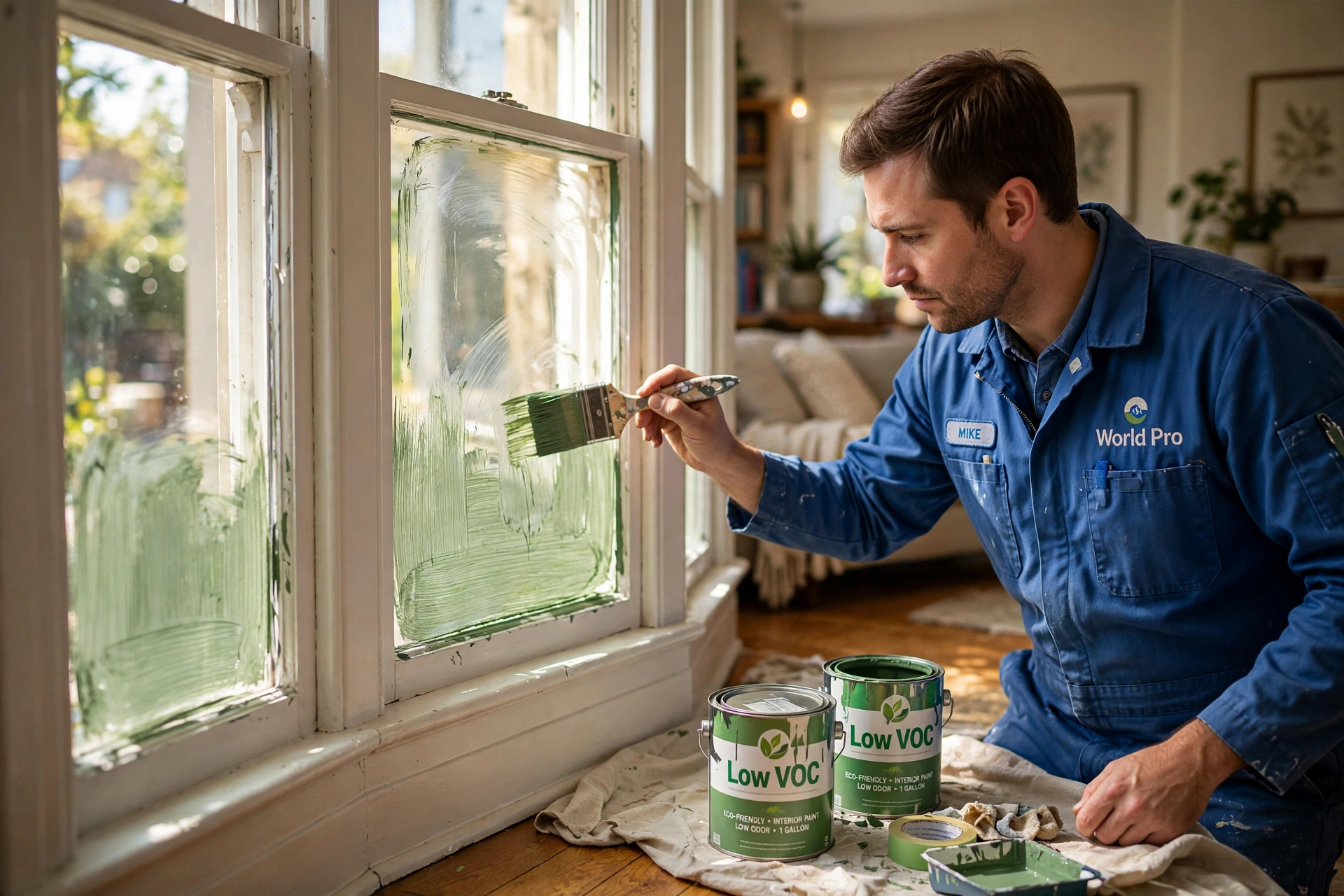
📖This article is part of the complete guide to Eco Friendly & Low VOC Painting. Applying a fresh coat of paint to a home in Glass Bay, Newark, often comes with a lingering chemical smell that can persist for weeks, triggering migraines or respiratory irritation for sensitive residents. In my experience working with homeowners across the East Bay, many mistake this 'new paint smell' as a sign of quality, when it is actually the off-gassing of Volatile Organic Compounds (VOCs) that can degrade indoor air quality. Transitioning to sustainable coatings is no longer just a trend; it is a health-mandated upgrade for modern California living.
For a comprehensive overview of these sustainable practices, explore our
guide on eco-friendly & low-voc painting.
What is Eco-Friendly & Low VOC Painting in Glass Bay, Newark?
📚Definition
Eco-friendly and low-VOC painting refers to the use of coatings that emit significantly lower levels of Volatile Organic Compounds—organic chemicals that vaporize at room temperature—compared to traditional solvent-based paints.
Eco-friendly & low-VOC painting in Glass Bay, Newark, is a specialized approach to home improvement that prioritizes both the environmental health of the San Francisco Bay Area and the immediate physical well-being of the occupants. Traditional paints rely on solvents that release gases into the air long after the paint has dried. By utilizing advanced aqueous-based technologies and natural pigments, low-VOC options minimize these emissions, making them ideal for nurseries, bedrooms, and high-density residential areas in Newark.
In the specific context of Glass Bay, where the coastal influence of the Bay Area can lead to higher humidity and trapped air in certain architectural styles, the choice of paint is critical. Low-VOC paints are engineered to provide the same durability and scrubbability as traditional paints without the toxic trade-off. According to the
Painting Contractors Association (PCA), the industry has moved aggressively toward water-borne coatings that reduce the atmospheric impact of painting projects while maintaining professional-grade finishes.
When we implement these systems at World Pro Painting, we don't just swap the can; we evaluate the entire substrate. In Glass Bay, many homes deal with specific moisture challenges. Using a low-VOC primer combined with a high-performance, low-emission topcoat ensures that the paint adheres correctly to the surface without introducing harmful chemicals into the home's ventilation system. This process is especially important for those who suffer from asthma or chemical sensitivities, as it eliminates the 'burn' associated with traditional oil-based enamels.
Why Does Sustainable Painting Matter for Glass Bay Homeowners?
Sustainable painting is essential because traditional paint fumes can contain benzene and formaldehyde, which are linked to long-term health complications. For residents of Glass Bay, Newark, the proximity to the water and the specific microclimate of the East Bay means that indoor ventilation patterns can vary, potentially trapping VOCs inside the home for longer periods if high-solvent paints are used.
First, the health impact is immediate. Low-VOC paints reduce the risk of 'Sick Building Syndrome,' a condition where occupants experience acute health effects linked to time spent in a building. According to research by the
Environmental Protection Agency (EPA), reducing the chemical load during home renovations is a primary step in maintaining a healthy indoor environment, particularly in homes where lead-based paint may also be a concern.
Second, there is a significant environmental benefit for the Newark community. VOCs contribute to the formation of ground-level ozone, which is a primary component of smog in the California Bay Area. By choosing eco-friendly options, homeowners directly reduce their contribution to local air pollution. This aligns with California's strict air quality standards managed by regional boards to ensure the Bay Area remains breathable and sustainable for future generations.
Third, modern low-VOC paints from brands like
Sherwin-Williams and
Benjamin Moore have evolved to outperform their toxic predecessors. In the past, 'green' paint was known for peeling or fading. Today, these coatings offer superior adhesion and UV resistance, which is critical for the exterior surfaces of homes in Glass Bay that face direct sun exposure and salt-laden air from the nearby bay.
💡Key Takeaway
Choosing low-VOC painting in Glass Bay protects the homeowner's health, reduces regional smog, and provides a professional finish that matches or exceeds traditional paint durability.
How to Implement Eco-Friendly Painting in Your Newark Home
Implementing a sustainable paint project requires more than just buying a 'green' can of paint; it requires a systematic approach to preparation and application to ensure the finish lasts for years. In my experience, the failure of many eco-friendly projects isn't the paint itself, but a lack of proper preparation for the low-VOC chemistry.
Step 1: Surface Assessment and Lead Testing
Before applying any new coating, you must determine what is underneath. In many older parts of Newark, lead-based paint is common. We always recommend a lead test. If lead is present, the removal must follow strict
EPA guidelines to prevent toxic dust from contaminating the home. Once the surface is cleared, we perform a deep clean to remove all contaminants.
Step 2: Low-Emission Priming
Many homeowners make the mistake of using a standard high-VOC primer with a low-VOC topcoat, which defeats the purpose of the health upgrade. We utilize specialized low-emission primers that seal the substrate and provide a neutral base. This is particularly important for Glass Bay homes with drywall or wood paneling that may absorb paint unevenly.
Step 3: Climate-Controlled Application
Low-VOC paints can be more sensitive to temperature and humidity during the drying process. In the Bay Area, we monitor the dew point and humidity levels. If it is too humid, the paint may take longer to cure, which can lead to a tacky finish. We ensure proper airflow and temperature control to guarantee a hard, durable seal.
Step 4: Precision Application and Curing
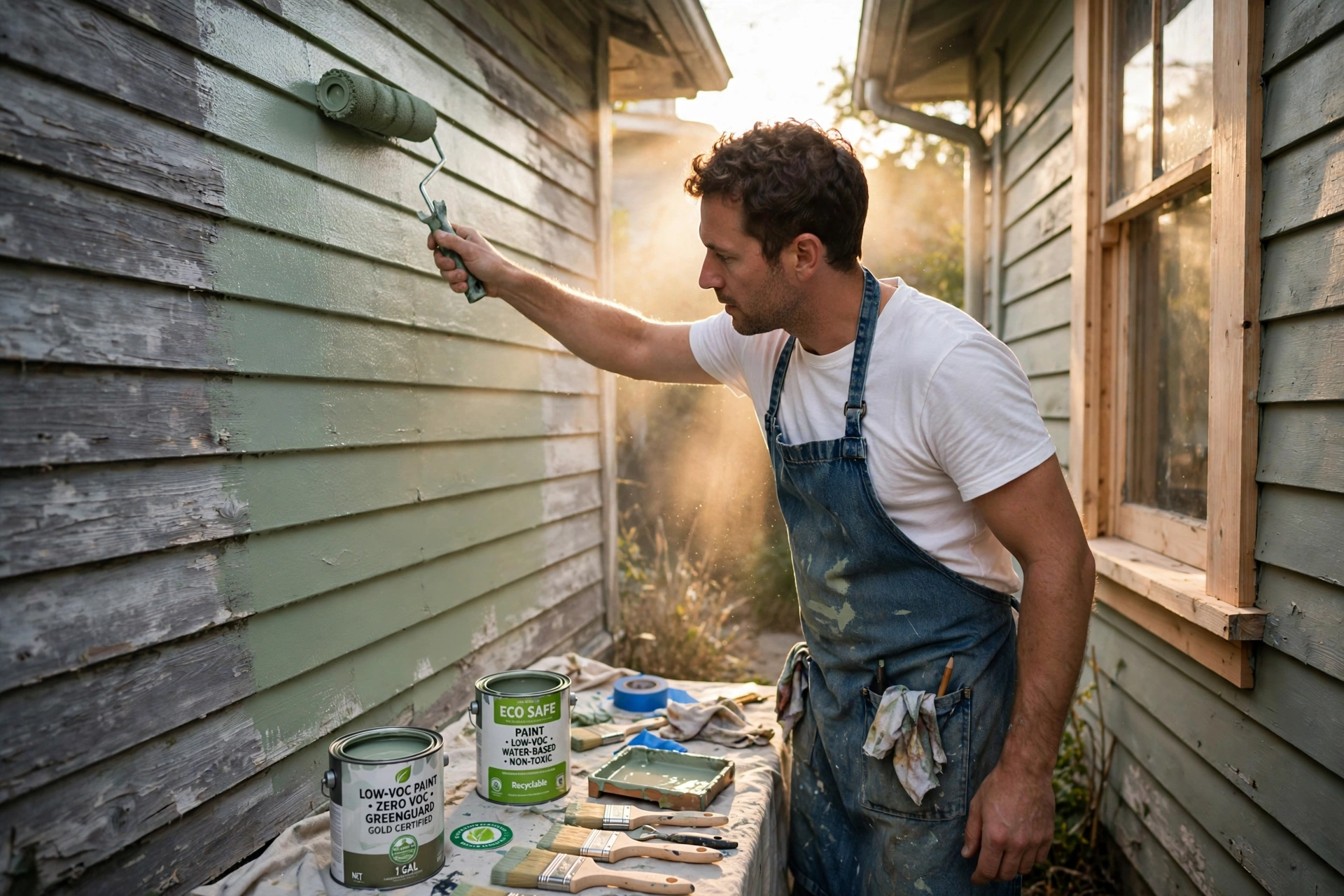
We use high-quality synthetic brushes and rollers designed for water-borne coatings. Because low-VOC paints have different viscosity levels, using the wrong tool can lead to visible brush marks. We apply thin, even coats to prevent sagging and ensure the paint cures from the inside out, locking in the color and protecting the wall.
Step 5: Final Inspection and Ventilation
Even low-VOC paints have a minimal amount of off-gassing. We recommend a final ventilation cycle, opening windows in the Glass Bay home for a few hours after completion to ensure the indoor air is completely refreshed. This final step completes the transition to a healthy living space.
For those looking to expand their sustainable home projects, you might also be interested in our specialized services for
Eco Friendly & Low VOC Painting in Fremont, CA or our work in
Eco Friendly & Low VOC Painting in Niles, Fremont.
Eco-Friendly Paint vs. Traditional Solvent Paints
When choosing between sustainable options and traditional paints, it is important to look at the long-term ROI and health metrics. The following table illustrates the differences between the three most common approaches found in the Newark market today.
| Feature | Traditional Solvent Paint | Cheap 'Eco' Alternatives | World Pro Sustainable Approach |
|---|
| VOC Emissions | High (Strong odors, toxic) | Low (But often poor quality) | Ultra-Low (Health-certified) |
| Durability | High | Low (Prone to peeling) | Maximum (Professional Grade) |
| Cure Time | Fast | Unpredictable | Optimized for Bay Area Climate |
| Health Risk | High (Respiratory irritants) | Moderate (Unknown additives) | Minimum (Safe for families) |
| Finish Quality | Smooth | Often streaky/uneven | Flawless, high-end finish |
As shown, the generic 'cheap' eco-approach often fails because it lacks the professional-grade resins found in premium low-VOC lines. This results in a paint job that looks good for six months but peels after a year of Glass Bay humidity. By using professional-grade coatings, World Pro Painting ensures that sustainability does not come at the cost of quality.
Best Practices for Maintaining Low-VOC Finishes in the Bay Area
Maintaining a sustainable paint job in the California Bay Area requires a different approach than traditional maintenance. Because low-VOC paints use different binding agents, they respond differently to the environment of Newark.
Use pH-Neutral Cleaners
Avoid using harsh chemical cleaners or bleach on your low-VOC walls. These can break down the eco-friendly resins and lead to premature fading. Instead, use a damp microfiber cloth with a mild, plant-based soap. This preserves the integrity of the paint film and ensures the color stays vibrant for years.
Manage Indoor Humidity
In Glass Bay, the moisture levels can fluctuate. Using a dehumidifier during the rainy season prevents moisture from seeping into the walls, which can cause even the best low-VOC paints to bubble or blister. Keeping a stable internal environment protects the bond between the paint and the substrate.
Schedule Regular Inspections
Every two to three years, inspect your high-traffic areas for wear. Low-VOC paints are incredibly durable, but they can show scuffs in hallways or kitchens. A light 'touch-up' using the original low-VOC batch is better than waiting for a full peel, which would require more extensive sanding and preparation.
Coordinate with HOA Standards
Many neighborhoods in Newark have strict Homeowner Association (HOA) guidelines regarding exterior colors. When choosing an eco-friendly paint, ensure the color match is exact. We specialize in finding the low-VOC equivalent of HOA-approved colors, ensuring your home remains compliant while being healthy.
💡Key Takeaway
Longevity is achieved through gentle cleaning and humidity control, ensuring your sustainable investment lasts as long as a traditional paint job.
Common Mistakes to Avoid with Eco-Friendly Painting
One of the most common mistakes I see in Glass Bay is the 'Mix-and-Match' error. This happens when a contractor uses a traditional high-VOC primer and then applies a low-VOC topcoat. This creates a chemical mismatch that can lead to delamination, where the top layer literally peels away from the wall because the two chemistries aren't compatible.
Another frequent error is ignoring the curing time. Many people assume that because a low-VOC paint feels dry to the touch in two hours, it is fully cured. In reality, sustainable paints often take longer to reach full hardness. If you lean a piece of furniture against a freshly painted wall in your Newark home too soon, you may leave a permanent indentation or 'block' in the finish.
Finally, some homeowners try to save money by purchasing low-cost 'eco' paints from big-box stores that aren't actually formulated for the California climate. These paints often lack the UV inhibitors needed to withstand the intense Bay Area sun, leading to chalking and fading within a few years. Always insist on professional-grade lines from manufacturers like Benjamin Moore or Sherwin-Williams.
Frequently Asked Questions
Does low-VOC paint last as long as traditional paint?
Yes, provided it is applied correctly by a licensed contractor. Modern professional-grade low-VOC paints utilize advanced acrylic resins that offer equal or superior durability, scrubbability, and color retention compared to old solvent-based paints. In the Glass Bay, Newark area, we find that high-quality sustainable coatings actually perform better in humid conditions because they allow the substrate to 'breathe' more effectively, reducing the risk of trapping moisture that leads to peeling.
Is low-VOC painting more expensive than standard painting?
While the cost of the raw material for premium low-VOC paint can be slightly higher, the overall project cost for a Glass Bay resident remains comparable. The primary cost drivers are the preparation, labor, and expertise. Because we use a professional 5-step preparation process (power washing, scraping, sanding, caulking, priming), the quality of the result is the same regardless of the paint type. The 'investment' is in the health of your family and the environment, which far outweighs the marginal cost difference.
Can you use eco-friendly paint on exterior surfaces in Newark?
Absolutely. In fact, it is highly recommended. Exterior low-VOC paints are formulated with advanced UV protectors to prevent the fading caused by the California sun. When painting a home in Glass Bay, we select a specific exterior-grade sustainable coating that resists salt-air corrosion and moisture. These paints provide a protective shield for your home's siding and trim without releasing toxic fumes into your neighborhood during the application process.
How long do I have to wait before I can sleep in a room painted with low-VOC paint?
One of the biggest advantages of low-VOC painting in Glass Bay is the drastically reduced off-gassing period. While traditional paints might require 48 to 72 hours of ventilation, most low-VOC rooms are safe for occupancy almost immediately. We generally recommend keeping windows open for a few hours to clear any minimal scent, but for those with severe sensitivities, the difference is night and day. You can typically return to your bedroom the same evening the project is completed.
Does low-VOC paint cover as well as traditional paint?
Yes, but it often requires a higher quality of primer. Traditional paints used solvents to 'bite' into the surface; low-VOC paints rely on mechanical adhesion and chemical bonding. By using the professional priming techniques we employ at World Pro Painting, we ensure a flawless, opaque finish. We often apply two coats of a premium low-VOC finish to ensure complete coverage and a deep, rich color that hides imperfections on the wall.
Conclusion
Choosing eco-friendly & low-VOC painting in Glass Bay, Newark, is a decision that balances aesthetic beauty with physical health. By eliminating the harsh chemicals associated with traditional solvents, homeowners can enjoy a refreshed interior or exterior without compromising their respiratory health or contributing to the smog of the San Francisco Bay Area. From the initial lead testing to the final ventilation, a sustainable approach ensures that your home remains a sanctuary of health and style.
Whether you are updating a Victorian-style home or a modern condo in the heart of Newark, the transition to green coatings is the only logical choice for 2026. Don't settle for 'cheap' alternatives that peel or fade; invest in a professional application that guarantees a 6-year level of quality. For a deeper dive into the science of sustainable coatings and how to choose the right products for your specific needs, refer back to our comprehensive
guide on eco-friendly & low-voc painting.
Ready to transform your home into a healthier space? Contact World Pro Painting today to schedule your Free On-Site Estimate in Glass Bay, Newark. We bring licensed expertise and the highest quality sustainable materials to every project.
Visit us at
worldpropainting.com to start your journey toward a toxin-free home.
Get 15% Off Exterior Painting This Month
Schedule your free estimate today and secure your spot in our calendar.
Bay Area Property Painting Prep & Architectural Color Guide
Get our complete 5-step preparation checklist and climate-appropriate Sherwin-Williams & Benjamin Moore color guide for Bay Area homes, HOAs, and commercial properties.