
📖This article is part of the complete guide to Eco Friendly & Low VOC Painting.
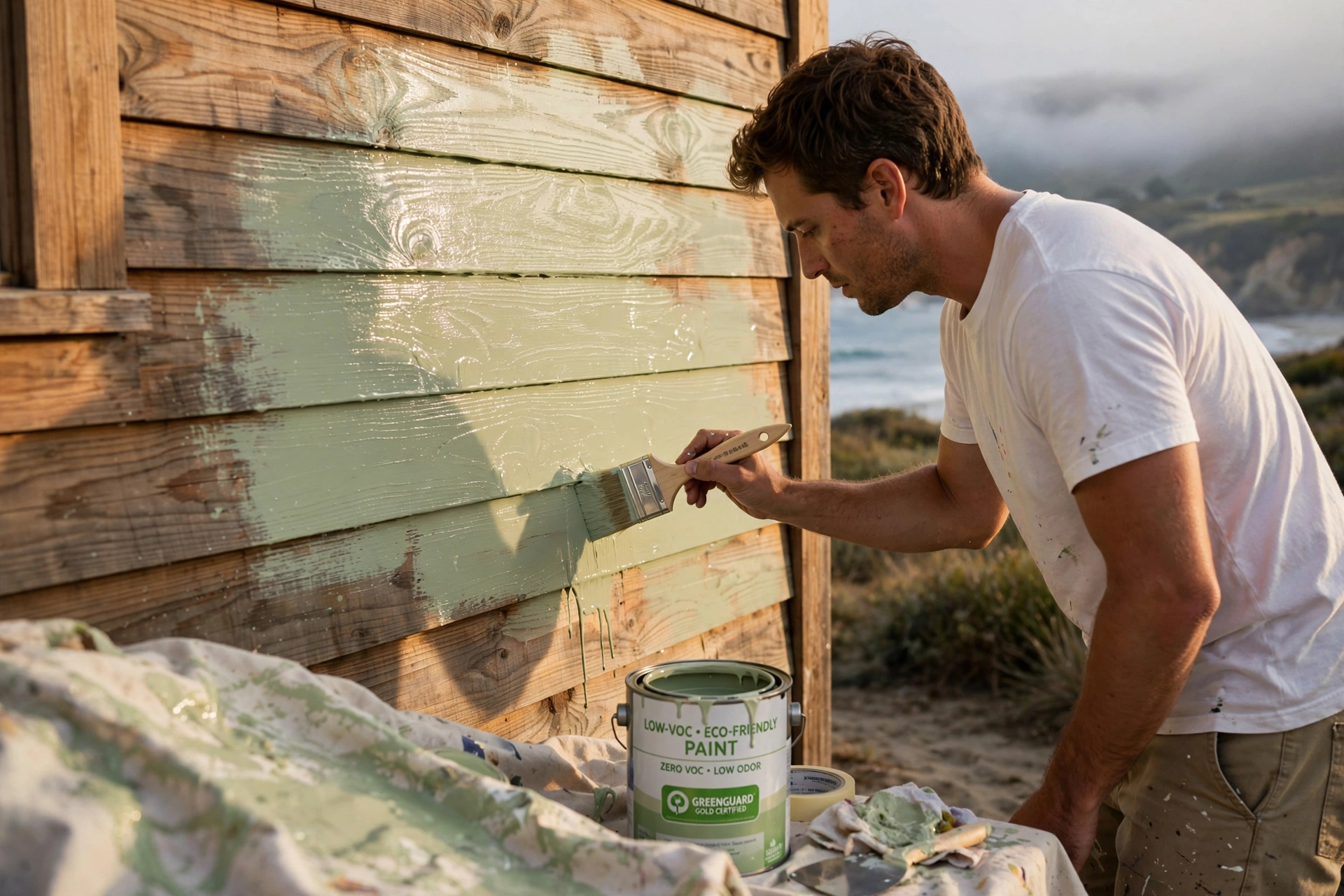
Coastal homes in Pacifica, California, battle a relentless combination of salt-laden fog and intense UV exposure, which degrades traditional paints much faster than in inland areas. I have seen countless homeowners in the Bay Area mistakenly apply standard high-VOC paints to these coastal exteriors, only to find the finish peeling within two years because the paint couldn't breathe or withstand the moisture. Transitioning to sustainable materials isn't just an ethical choice; it is a technical necessity for longevity in the Pacifica microclimate.
For a comprehensive overview of sustainable coatings, explore our guide on eco-friendly & low-voc painting.
What is Eco-Friendly & Low VOC Painting in Pacifica?
📚
Definition
Low VOC painting refers to the use of coatings that contain minimal Volatile Organic Compounds (VOCs), which are carbon-based chemicals that evaporate into the air at room temperature, contributing to indoor air pollution and smog.
Eco-friendly and low-VOC painting in Pacifica involves selecting paints that prioritize environmental safety without sacrificing the durability required for coastal living. In the San Francisco Bay Area, this means using products that meet strict California environmental regulations while providing a barrier against the Pacific Ocean's saline mist. Traditional paints often rely on solvents that release harmful gases for weeks after application, but modern low-VOC alternatives use water-based resins and sustainable pigments.
In my experience working with residential properties along the Pacifica coastline, the most successful projects utilize a "system" approach. This means the primer and the topcoat are both low-VOC and chemically compatible. If you use a low-VOC finish over a high-solvent primer, you risk adhesion failure, especially on the wood siding common in many Pacifica beach cottages. According to the Painting Contractors Association (PCA), using professional-grade low-VOC coatings ensures that the paint film remains flexible, preventing the cracking and flaking often seen in salt-air environments.

Why Does Low VOC Painting Matter for Pacifica Homeowners?
The primary reason low-VOC painting is essential for Pacifica residents is the intersection of interior air quality and exterior durability. Because Pacifica homes are often tightly sealed to keep out the cold coastal fog, traditional high-VOC paints can create a "toxic trap" where fumes linger inside the home for an extended period. By choosing low-VOC options, homeowners eliminate the pungent chemical smell and reduce the risk of respiratory irritation for children and pets.
Beyond health, the environmental impact on the local ecosystem is significant. Pacifica's proximity to the ocean means that runoff from painting projects can easily enter the storm drains and reach the shoreline. Standard paints contain heavy metals and solvents that can contaminate local waterways. Using eco-friendly paints ensures that the beauty of the California coastline is preserved during the home improvement process.
Furthermore, the technical properties of modern eco-friendly paints are now superior for coastal use. Many low-VOC paints from manufacturers like Sherwin-Williams are formulated with advanced acrylic resins that resist mildew and algae growth—two constant threats in the humid Pacifica climate. When we execute projects in the Bay Area, we find that these sustainable coatings actually bond better to surfaces that have been properly prepared, extending the lifecycle of the paint job from the typical 5-year failure window to a much more sustainable 7-10 year period.
Moreover, adherence to California's stringent air quality standards is not optional. The Bay Area Air Quality Management District (BAAQMD) has some of the toughest VOC limits in the world. A licensed contractor, like World Pro Painting (CSLB #1142478), ensures that every gallon of paint used on your property is compliant with these laws, preventing potential fines and ensuring the safety of the neighborhood.
How to Implement Eco-Friendly Painting in Your Pacifica Home
Implementing a sustainable paint project in a coastal zone requires a specific sequence of operations. You cannot simply swap the paint can; you must adapt the entire process to the environment. The first step is a comprehensive surface analysis. In Pacifica, this usually involves checking for salt crystallization on the substrate. If you paint over salt, the new low-VOC coating will bubble and peel regardless of its quality.
First, we perform a professional-grade power wash using biodegradable cleaners to remove salt and organic growth. Once dry, we scrape and sand any failing paint. For homes built before 1978, we follow the EPA's Lead-Based Paint RRP Rule to ensure that any lead paint is removed safely without contaminating the coastal soil. This is a non-negotiable safety step for any licensed contractor in the Bay Area.
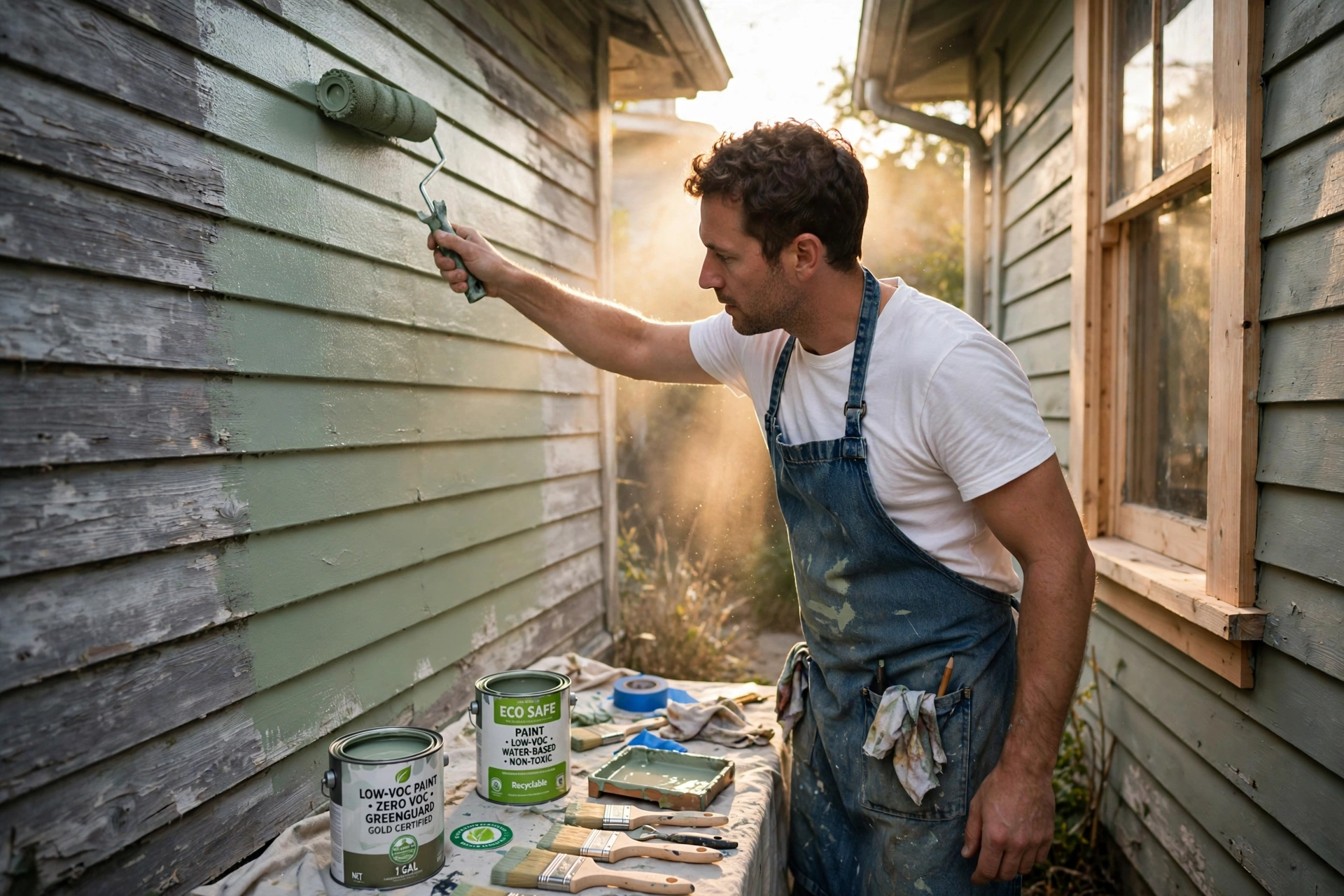
Next, we apply a high-quality, low-VOC primer. A primer is the "glue" that holds the system together. In high-moisture areas like Pacifica, we recommend a primer with mildewcides to prevent mold from growing beneath the paint film. After the primer has cured, we apply two coats of premium low-VOC paint. We avoid painting during the peak of the afternoon fog or in direct, scorching sun, as these conditions can cause the paint to dry too quickly or remain tacky, attracting salt and dust.
For those managing larger properties or multi-family units, coordinating this process is similar to the precision required for house painting in Weibel Fremont, CA, where scale and timing are everything. Whether it is a single beach cottage or a larger estate, the 5-step preparation process—power washing, scraping, sanding, caulking, and priming—is what justifies the premium quality and ensures the 6-year guarantee we offer at World Pro Painting.
Low-VOC Painting vs. Traditional Painting
When deciding between traditional high-solvent paints and modern eco-friendly options, it is important to look at the long-term ROI rather than the initial cost per gallon. Traditional paints were designed for speed and hardness, but they lack the flexibility needed for the expanding and contracting wood of coastal homes.
| Feature | Traditional High-VOC | Cheap "Eco" Alternatives | World Pro Painting Modern Approach |
|---|---|---|---|
| Health Impact | High off-gassing, strong odors | Variable, often lacks durability | Low-VOC, certified safe, no odor |
| Coastal Durability | Brittle, prone to salt-cracking | Peels quickly, poor coverage | High-flex acrylics, salt-resistant |
| Environmental Footprint | High solvent runoff | Moderate | BAAQMD compliant, biodegradable prep |
| Longevity | 3-5 years in Pacifica | 2-4 years | 7-10 years with full prep |
As the table demonstrates, the "cheap" approach to eco-friendly painting often fails because it lacks the professional-grade resins found in top-tier products. Many homeowners try to save money by using hardware-store "green" paints, but these often lack the UV inhibitors necessary to survive the California sun. By using a professional system, you ensure that the paint doesn't just look good on day one, but remains vibrant and protective for years.

Common Mistakes to Avoid in Coastal Eco-Painting
One of the most frequent mistakes I see in Pacifica is the "Quick-Coat" fallacy. This is when a contractor skips the sanding or priming phase to finish the job faster, claiming that the low-VOC paint is "self-priming." In a coastal environment, this is a recipe for disaster. Without a dedicated primer, the salt residue in the wood will migrate through the paint, causing microscopic bubbles that eventually lead to massive peeling.
Another common error is ignoring the dew point. In Pacifica, the temperature can drop rapidly as the fog rolls in. If the paint is applied when the surface temperature is too close to the dew point, moisture becomes trapped under the paint film. This leads to a loss of adhesion and an unsightly "alligatoring" effect. A professional contractor monitors the humidity and temperature to ensure the paint cures correctly.
Finally, many homeowners fail to account for HOA requirements. Many Pacifica neighborhoods have strict color palettes to maintain a cohesive coastal aesthetic. We always recommend verifying the color choice with your Homeowner Association (HOA) before purchasing low-VOC paints, as some sustainable pigments can shift slightly in tone compared to traditional oil-based paints. This is a level of detail we handle for all our clients, similar to how we manage specific project guides for Hiring California Bay Area Painting.
Frequently Asked Questions
Do low-VOC paints last as long as traditional oil-based paints in Pacifica?
Yes, in many cases they last longer. While oil-based paints were once the standard for durability, they tend to embrittle over time, especially under the intense UV rays of the California coast. Modern low-VOC acrylics from brands like Benjamin Moore are designed to be flexible. This flexibility allows the paint to expand and contract with the wood as it absorbs moisture from the Pacifica fog, which prevents the cracking and peeling that typically plagues old-school oil paints.
Will my house smell like chemicals after a low-VOC paint job?
One of the primary benefits of low-VOC painting is the near-total absence of the "new paint smell." Traditional paints release a cocktail of solvents that can cause headaches and nausea. Low-VOC coatings use water as the primary carrier, meaning there are very few organic compounds evaporating into your living space. Most of our Pacifica clients can occupy their rooms immediately after the paint has dried, without the need for several days of aggressive ventilation.
Is eco-friendly paint more expensive for a coastal project?
The initial cost of premium low-VOC paint can be slightly higher per gallon than budget-grade traditional paint. However, the long-term ROI is significantly higher. Because these paints are more resistant to the salt-air corrosion and mildew common in the Bay Area, you will paint your home less frequently. When you factor in the cost of labor for a full repaint every 5 years versus every 10 years, the eco-friendly approach is actually the more economical choice.
Can low-VOC paints handle the dampness of the Pacifica fog?
Absolutely. In fact, we specifically choose low-VOC acrylics because they are more breathable. Traditional paints can trap moisture behind the film, which leads to wood rot in coastal climates. Modern sustainable coatings allow a small amount of moisture vapor to escape, which protects the integrity of your home's structure. We combine these paints with a high-performance caulking process to ensure that water stays out while the house can still "breathe."
How do I know if a contractor is actually using low-VOC materials?
Ask to see the Technical Data Sheets (TDS) and the Material Safety Data Sheets (MSDS) for the specific product being used. A reputable company like World Pro Painting will be transparent about the brands we use, such as Sherwin-Williams or Benjamin Moore. Furthermore, check for a valid CSLB license. According to the California Contractors State License Board (CSLB), licensed contractors are held to higher standards of professional conduct and regulatory compliance, including the use of BAAQMD-approved materials.
Conclusion
Choosing eco-friendly and low-VOC painting in Pacifica is a strategic decision that balances environmental responsibility with the harsh realities of coastal architecture. By eliminating toxic off-gassing and utilizing high-flex, salt-resistant acrylics, homeowners can protect their health and their property value simultaneously. The key to success lies not just in the paint itself, but in the rigorous preparation and professional application that ensures a lasting bond against the elements.
Whether you are updating a beachfront bungalow or a hillside estate, the goal is a finish that withstands the unique pressures of the San Francisco Bay Area. We invite you to experience the difference that a licensed, bonded, and insured specialist can make in the longevity of your home. For more detailed information on sustainable options and how they compare across different climates, visit our complete guide on eco-friendly & low-voc painting.
Ready to protect your Pacifica home with the gold standard of sustainable coatings? Contact World Pro Painting today for a free on-site estimate and let us provide a tailored solution for your property. Visit worldpropainting.com to schedule your consultation.
Get 15% Off Exterior Painting This Month
Schedule your free estimate today and secure your spot in our calendar.
Bay Area Property Painting Prep & Architectural Color Guide
Get our complete 5-step preparation checklist and climate-appropriate Sherwin-Williams & Benjamin Moore color guide for Bay Area homes, HOAs, and commercial properties.