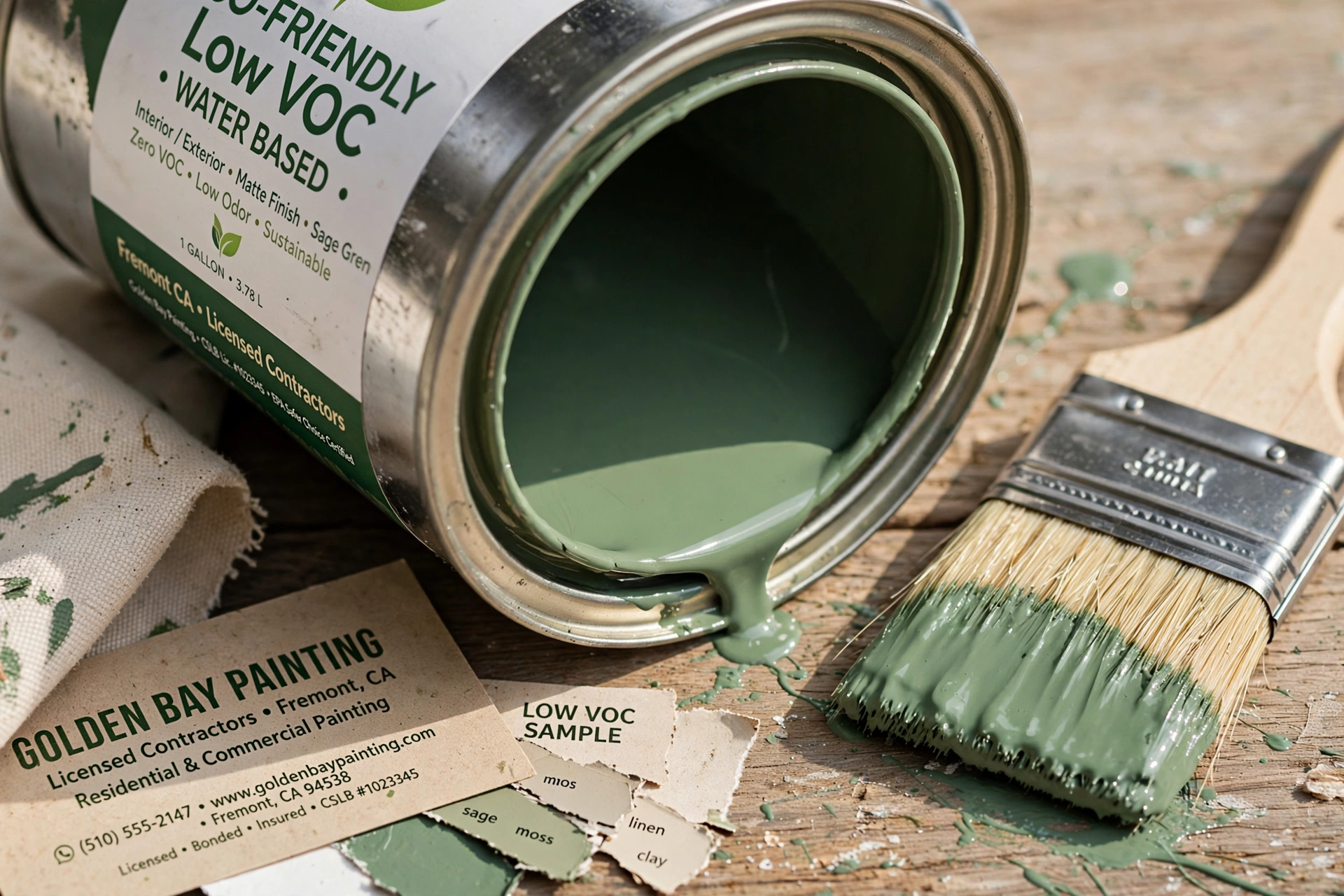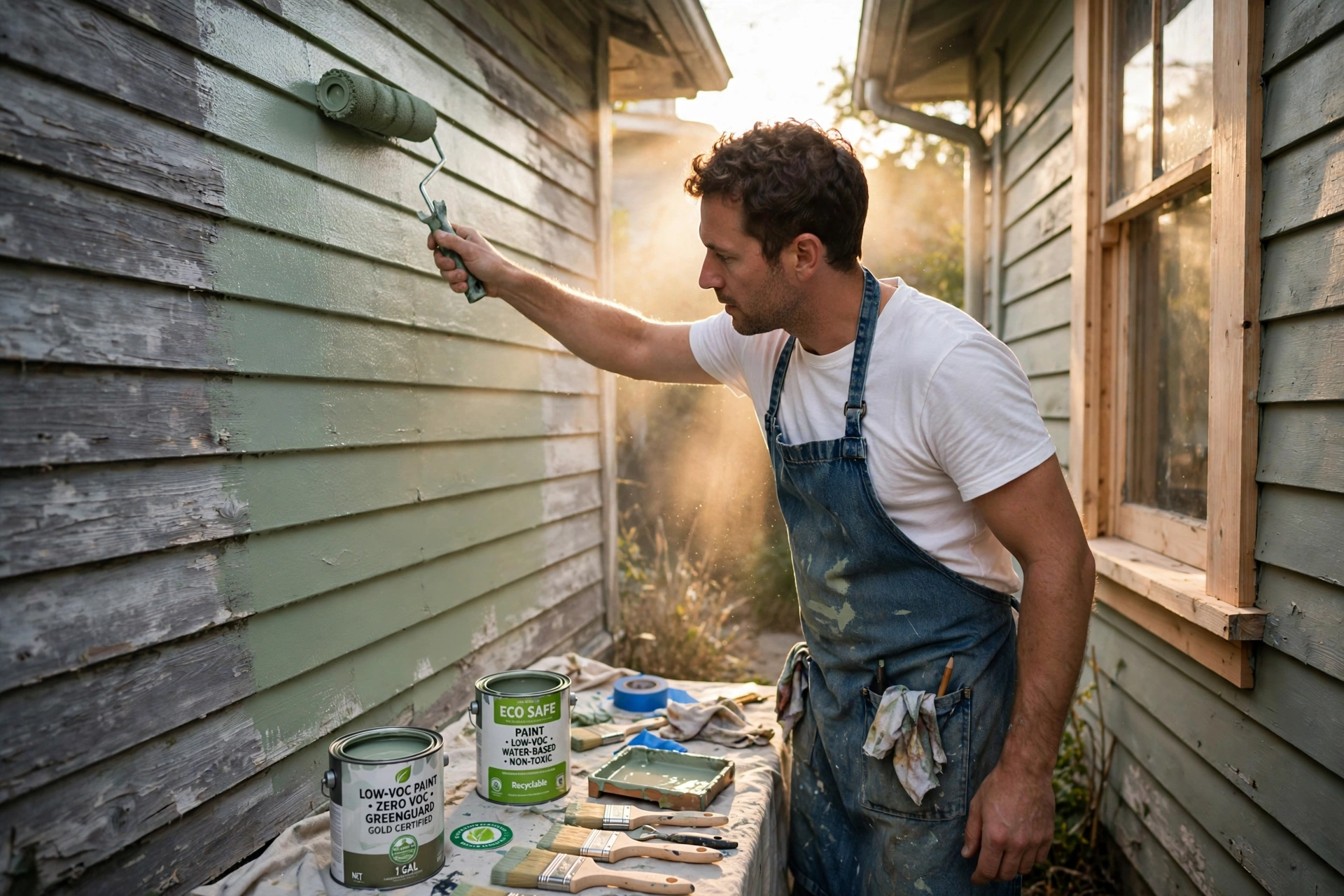


📖This article is part of the complete guide to Eco Friendly & Low VOC Painting.
Many homeowners in Santa Clara are discovering that the "new paint smell" they once associated with home improvement is actually the off-gassing of volatile organic compounds (VOCs) that can linger for years. In my experience working with residential projects across the Silicon Valley, I've seen families struggle with respiratory sensitivity and chemical odors long after a project is finished because they prioritized the lowest bid over the chemistry of the paint. Choosing a sustainable approach isn't just about the environment; it is about the immediate air quality inside your bedroom and living room.
For a comprehensive overview of these sustainable practices, explore our guide on eco-friendly & low-voc painting.
What is Eco-Friendly & Low-VOC Painting in Santa Clara?
📚
Definition
Eco-friendly and low-VOC painting refers to the use of coatings that emit minimal or no Volatile Organic Compounds (VOCs), which are carbon-based chemicals that evaporate into the air at room temperature during and after the curing process.
Eco-friendly & low-voc painting in Santa Clara involves selecting paints formulated without the harmful solvents found in traditional oil-based or low-grade latex paints. While standard paints release gases that can cause headaches, dizziness, and long-term health issues, low-VOC alternatives use water-based resins and natural pigments to achieve the same aesthetic results without the chemical toxicity. In Santa Clara, where indoor-outdoor living is common and air quality is a priority, transitioning to these materials has become the professional standard.
When we implement these solutions at World Pro Painting, we focus on the entire lifecycle of the product. This includes not only the paint itself but also the primers, sealants, and cleaning agents used during the 5-step preparation process. According to the Painting Contractors Association (PCA), the industry has shifted significantly toward waterborne coatings, which drastically reduce the atmospheric impact and improve the safety of the job site for both the crew and the homeowner.

Why Does Sustainable Painting Matter for Santa Clara Residents?
Low-VOC painting is essential in Santa Clara because of the unique combination of the local climate and the high density of residential living. The heat typical of the South Bay accelerates the off-gassing process, meaning that traditional high-VOC paints release their chemicals more rapidly and intensely into your home's ventilation system. By opting for eco-friendly options, homeowners eliminate the risk of "Sick Building Syndrome," where indoor pollutants accumulate to levels that cause chronic health issues.
Beyond health, there is a strong regulatory and ethical drive. The California Contractors State License Board (CSLB) ensures that licensed contractors follow state safety and environmental guidelines, and the use of low-emission materials is a key part of that professional commitment. Furthermore, Santa Clara's proximity to tech hubs has led to a surge in "wellness-focused" home design, where the focus is on non-toxic materials to improve cognitive function and sleep quality.
From a performance standpoint, modern low-VOC paints from brands like Sherwin-Williams and Benjamin Moore have closed the gap in durability. In the past, people feared that "green" paint would peel or fade. Today, these coatings offer superior scrubbability and color retention. For those managing multi-family units or commercial spaces, this is a vital consideration for maintaining property value without compromising tenant health. If you are managing larger complexes, you might also find our services for House Painters in Weibel Fremont, CA useful for scaling these sustainable practices.
How to Implement Eco-Friendly Painting in Your Santa Clara Home
Implementing a low-VOC project requires more than just buying a "green" can of paint; it requires a systemic approach to surface preparation and application. The first step is a thorough audit of existing surfaces. In many older Santa Clara homes, you may encounter layers of old paint. According to the Environmental Protection Agency (EPA), any home built before 1978 must be evaluated for lead-based paint. We ensure that all lead-safe practices are followed before applying any low-VOC topcoat to prevent the disturbance of toxic dust.
Once the surface is safe, we follow a rigorous 5-step preparation process: power washing (for exteriors), scraping, sanding, caulking, and priming. For a truly eco-friendly result, the primer must also be low-VOC. Using a high-VOC primer under a low-VOC paint defeats the purpose, as the primer remains the primary source of off-gassing. We recommend using high-quality water-based primers that seal the surface without releasing harmful fumes.
When selecting colors, we utilize digital color matching and sampling to reduce waste. In my experience, the biggest waste of material occurs when homeowners buy multiple gallons of the wrong shade. By using precise tools, we ensure that only the necessary amount of paint is mixed and used. For those looking at external upgrades, our Exterior Painting in Lakeside Newark, CA projects follow similar sustainability protocols to protect the local ecosystem.
The Application Process for Low-VOC Coatings
- Atmospheric Control: Ensure proper ventilation by opening windows and using air purifiers during the application phase.
- Precision Priming: Apply a zero-VOC primer to seal pores and prevent the absorption of the final topcoat.
- Controlled Application: Use high-density rollers and synthetic brushes to ensure a smooth finish with fewer coats.
- Curing Period: Allow the paint to cure in a temperature-controlled environment, avoiding extreme heat which can cause "flash drying" and cracking.
- Waste Management: All leftover paint is disposed of according to Santa Clara county hazardous waste regulations to prevent groundwater contamination.
Low-VOC Painting vs. Traditional Painting
To understand the value proposition, one must look at the technical differences between traditional solvent-based paints and modern sustainable coatings. Traditional paints rely on organic solvents to keep the paint liquid; as the paint dries, these solvents evaporate into the air. Low-VOC paints replace these solvents with water or safer alternatives.
| Feature | Traditional Solvent Paint | Cheap "Green" Alternatives | World Pro Painting Approach |
|---|---|---|---|
| Air Quality | High VOC emissions; strong odor | Moderate emissions; inconsistent | Zero to Ultra-Low VOC; no odor |
| Durability | High, but toxic | Prone to peeling/fading | Professional grade; 6-year guarantee |
| Health Impact | Respiratory irritants | Variable quality | Non-toxic; child and pet safe |
| Curing Time | Fast, but releases fumes | Very slow; stays tacky | Optimized for Santa Clara climate |
As the table illustrates, the "cheap" approach to eco-friendly painting often results in a product that lacks the necessary resins to withstand the Santa Clara sun. We utilize premium lines from Sherwin-Williams and Benjamin Moore to ensure that "green" does not mean "weak."

Common Mistakes to Avoid with Sustainable Painting
One of the most frequent errors I see in Santa Clara is the "mixing trap." Homeowners sometimes buy a low-VOC topcoat but use a cheap, high-VOC primer they had left over in the garage. This creates a chemical imbalance that can lead to poor adhesion and continues to pollute the indoor air. Always ensure that every layer—from the sealer to the final gloss—is compatible and low-emission.
Another mistake is ignoring the curing time. Some people assume that because a paint is "low-VOC," it is instantly dry. In reality, water-based paints can take longer to reach full hardness (cure) than oil-based paints. If you move furniture against a wall too quickly in the humid parts of the Bay Area, you will get "blocking," where the paint sticks to the furniture and peels off. Patience is a requirement for a professional finish.
Lastly, avoid contractors who claim their paint is "natural" without providing a Technical Data Sheet (TDS). The term "natural" is not a regulated industry term, whereas "Low-VOC" or "Zero-VOC" is backed by chemical analysis. Always ask for the VOC content per liter. If a contractor cannot provide this, they are likely using standard paint and rebranding it as eco-friendly to justify a price hike. For a detailed look at how to vet your contractor, check our Hiring California Bay Area Painting Guide.
Professional Insight: The Cost of Quality
In my experience, clients often ask why eco-friendly painting carries a premium. The answer lies in the chemistry. Removing VOCs while maintaining a hard, durable finish requires more expensive resins and higher-quality pigments. However, the ROI is found in the long-term health of the occupants and the increased value of the home. A house painted with non-toxic materials is a significant selling point in the 2026 real estate market, where buyers are increasingly concerned with wellness and environmental impact.
When we execute these projects, we don't just apply paint; we manage the environment. This includes the use of HEPA-filter vacuums during the sanding phase to ensure that old paint dust—which may contain toxins—does not settle into the carpets or HVAC vents. This level of detail is what separates a licensed professional from a handyman. If you're managing a larger property, you might also consider our specialized House Painters in Brookvale Fremont, CA for similar high-standard residential work.
Frequently Asked Questions
Is low-VOC paint as durable as traditional paint?
Yes, modern low-VOC paints are engineered to meet or exceed the durability of traditional paints. By using advanced acrylic resins, brands like Benjamin Moore and Sherwin-Williams have created coatings that offer excellent scrubbability and resistance to fading. In the Santa Clara climate, these paints are specifically designed to withstand UV exposure without cracking or peeling, provided the surface preparation was handled correctly by a licensed contractor.
How long does it take for low-VOC paint to stop smelling?
Because low-VOC paints have significantly fewer solvents, the "chemical smell" is either non-existent or dissipates within a few hours rather than days. Most of the time, you can occupy a room immediately after the paint is dry to the touch. This makes them an ideal choice for nurseries, hospitals, and homes with elderly residents who are sensitive to strong odors and chemical fumes.
Can I use eco-friendly paint on my exterior in Santa Clara?
Absolutely. Exterior low-VOC paints are designed to protect your home from the elements while minimizing the release of pollutants into the neighborhood. These paints are formulated with UV inhibitors to prevent the intense Santa Clara sun from bleaching the color. We recommend a high-quality elastomeric low-VOC option for homes near the coast to help with the expansion and contraction caused by temperature swings.
Does low-VOC paint require more coats to cover a dark color?
Generally, no. The coverage (hide) of a paint is determined by the pigment load, not the VOC content. However, because water-based paints can sometimes be thinner, using a high-quality low-VOC primer is essential. A professional primer will block the old color and allow the topcoat to provide full coverage in two coats, regardless of whether it is an eco-friendly option or not.
Is it safe to paint a room while people are sleeping in the house?
While low-VOC paints are significantly safer, we always recommend keeping the area being painted well-ventilated. Because there are no toxic fumes, you won't experience the dizziness associated with old oil paints, but the physical act of painting creates dust and debris. For maximum safety and a clean result, we suggest keeping sleeping quarters clear during the actual application process.
Conclusion
Investing in eco-friendly & low-voc painting in Santa Clara is more than a trend; it is a commitment to the health of your family and the longevity of your property. By eliminating harmful chemicals and prioritizing professional preparation, you ensure that your home remains a sanctuary rather than a source of pollutants. From the initial lead-safe audit to the final curing stage, the quality of the materials used defines the quality of the life lived inside those walls.
Whether you are refreshing a single room or updating an entire estate, the choice of non-toxic coatings is the smartest move you can make for your indoor air quality. For those who want to see the broader application of these technologies, we invite you to read our complete guide on eco-friendly & low-voc painting.
Ready to transform your space with a healthier, more sustainable finish? Contact World Pro Painting today for a free on-site estimate. Our team of licensed professionals is ready to bring the gold standard of sustainable painting to your Santa Clara home.
Get 15% Off Exterior Painting This Month
Schedule your free estimate today and secure your spot in our calendar.
Bay Area Property Painting Prep & Architectural Color Guide
Get our complete 5-step preparation checklist and climate-appropriate Sherwin-Williams & Benjamin Moore color guide for Bay Area homes, HOAs, and commercial properties.