

How Do You Manage a Large-Scale Community Painting Project?
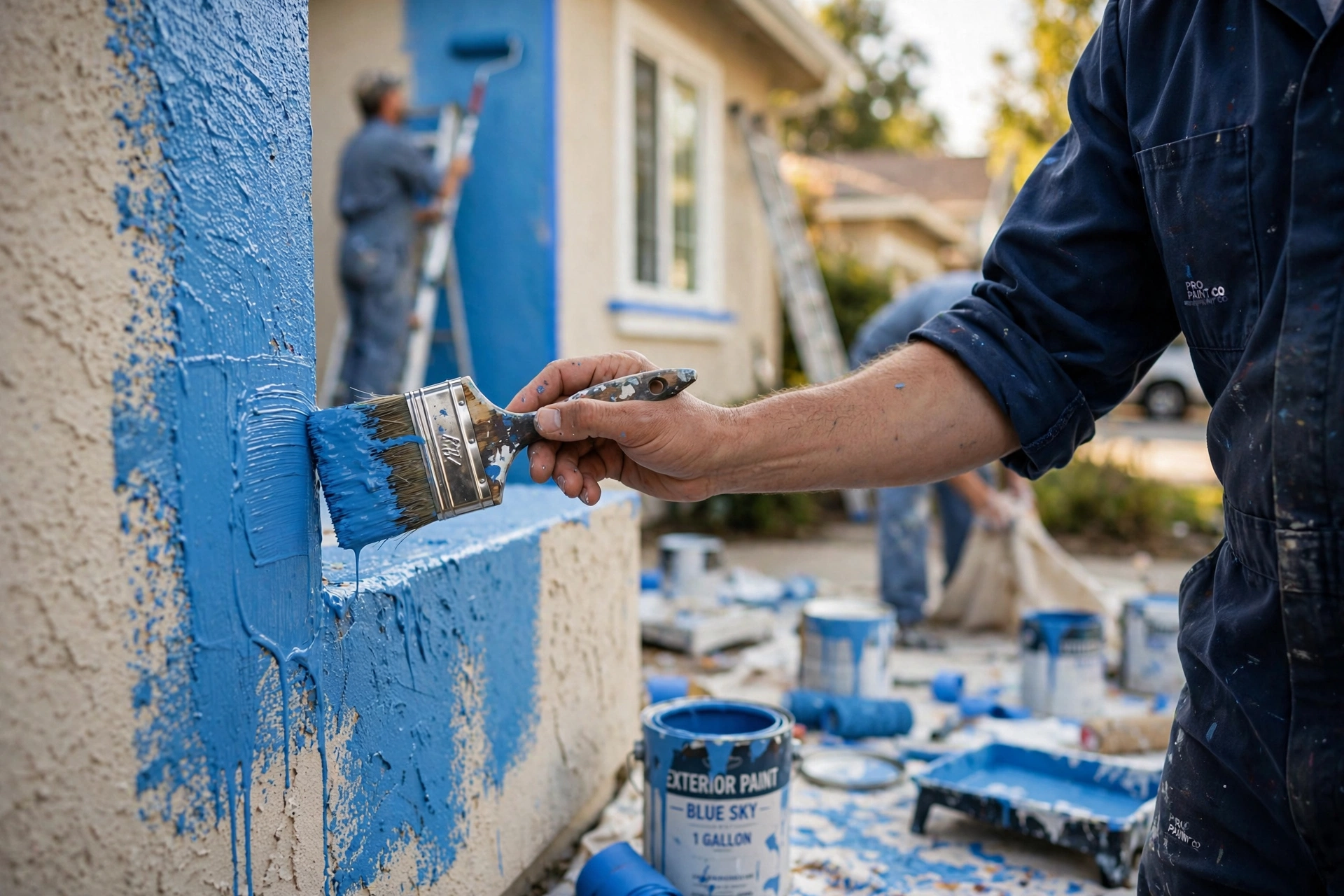
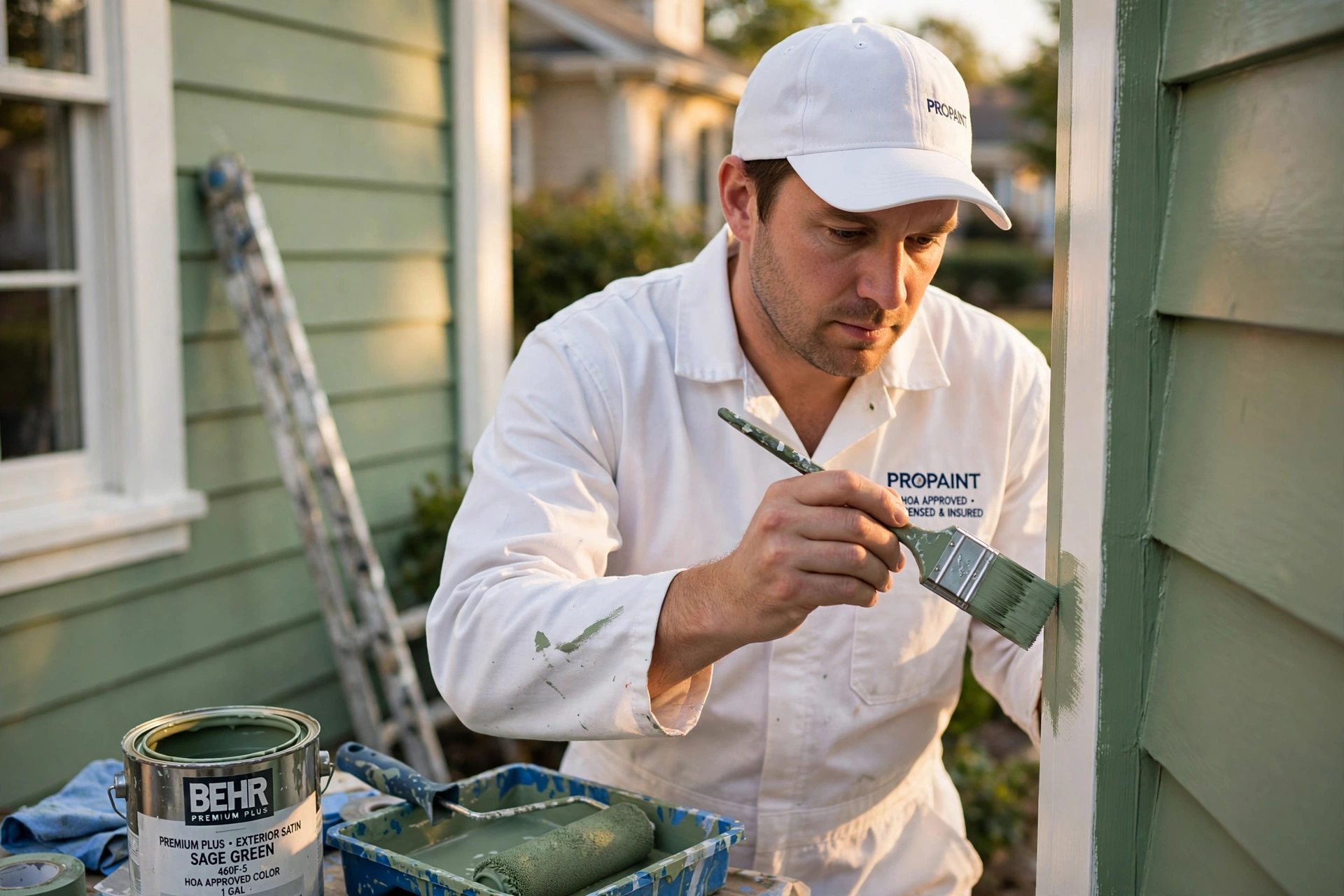
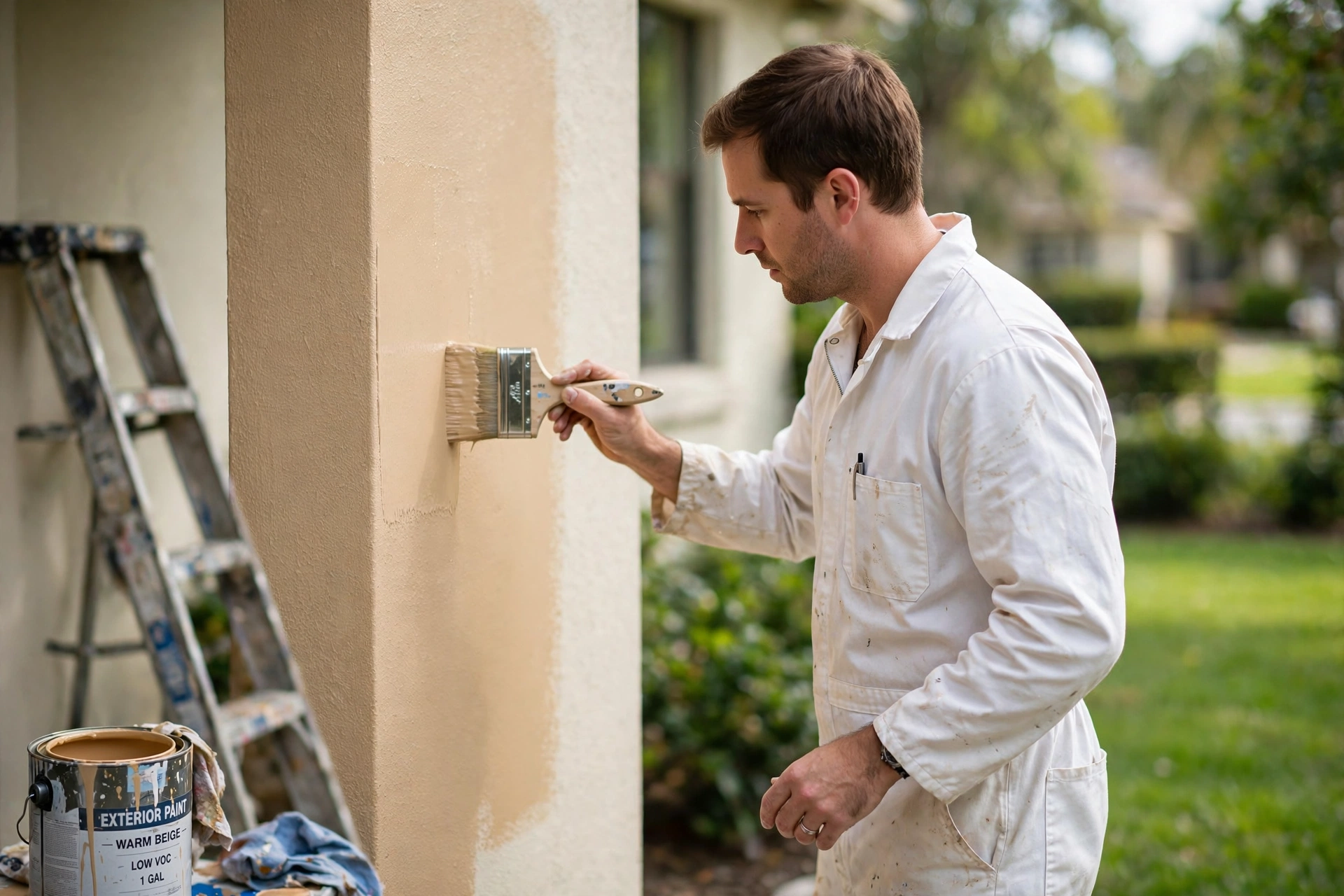
Managing a Homeowner Association (HOA) painting project requires a shift from a "single-home" mindset to a "systems" mindset. The process is successfully executed by establishing a rigid approval workflow, selecting a contractor with a proven track record in multi-family logistics, and utilizing high-performance materials that withstand the California Bay Area's diverse microclimates. To navigate this, a comprehensive hoa painting services guide must prioritize the alignment of the board's aesthetic vision with the practical realities of resident scheduling and budget constraints.
In my experience working with dozens of community boards from San Francisco to San Jose, the primary point of failure isn't the paint quality; it's the communication. I've seen projects stall for months because a single resident disagreed with a trim color, or because the board failed to verify the contractor's license with the California Contractors State License Board (CSLB). A successful project begins with a detailed scope of work that leaves no room for "hidden" costs, ensuring that every unit in the complex receives an identical standard of preparation and finish.
For those managing these complex environments, exploring how to use California Bay Area painting resources can provide additional regional context on material selection and seasonal timing.
What Exactly Are HOA Painting Services and How Do They Differ from Residential Painting?
HOA painting services are specialized commercial-grade operations designed to maintain the exterior aesthetic and structural integrity of shared residential communities. Unlike a standard home project, HOA work involves managing a "common area" versus "separate interest" boundary, where the association is typically responsible for the siding, trim, and eaves, while the homeowner handles the interior.
📚
Definition
HOA Painting Services refer to the systematic application of protective and decorative coatings across a multi-unit residential complex, governed by a Homeowner Association's CC&Rs (Covenants, Conditions, and Restrictions).
The scale of these projects introduces variables that a typical residential painter isn't equipped to handle. For instance, in a complex with 100 units, the logistics of moving ladders, scaffolding, and paint sprayers without blocking emergency access or resident parking is a full-time management task. Furthermore, the paint selection must be standardized. You cannot have 50 different shades of "beige" across a community; the board must select a curated palette that adheres to local zoning laws and community standards.
When we execute these projects at World Pro Painting, we treat the community as a single organism. This means implementing a "phase-based" approach where specific blocks are completed entirely before moving to the next. This prevents the "checkerboard effect," where half the community looks new and the other half looks decayed for months. According to the Painting Contractors Association (PCA), professional standardization in multi-family projects not only improves curb appeal but significantly reduces the long-term cost of maintenance by utilizing uniform product specifications across all structures.
Why Does a Structured Painting Strategy Matter for Property Value?
A structured approach to community painting is not merely about aesthetics; it is a critical asset management strategy. In the Bay Area, where real estate values are among the highest in the world, a neglected exterior can lead to a measurable dip in property valuation. When a community looks weathered, prospective buyers perceive the association as poorly managed, which can lead to lower offers and longer days-on-market.
The financial implications are backed by data. Industry trends suggest that a professional exterior refresh can increase the perceived value of a multi-family unit by 3% to 7% almost immediately. However, the risk of "cheap" painting is far higher in an HOA setting. If a board chooses the lowest bidder who skips the 5-step preparation process—power washing, scraping, sanding, caulking, and priming—the paint will likely peel within 24 to 36 months. This leads to a cycle of "patch-painting" that creates an uneven, blotchy appearance across the community.
Furthermore, the environmental factors in Northern California are brutal. From the salt air of the coast to the intense UV exposure in the Tri-Valley area, the wrong paint chemistry will fail prematurely. Using low-VOC coatings that comply with the Bay Area Air Quality Management District (BAAQMD) is not just a legal requirement; it's an environmental necessity. The Environmental Protection Agency (EPA) emphasizes that in older Bay Area communities, the presence of lead-based paint is a significant risk. A professional HOA guide must ensure that any contractor is RRP-certified (Renovation, Repair, and Painting) to handle lead safely, preventing costly legal liabilities for the association.
How to Execute a Multi-Family Painting Project: A Step-by-Step Guide
Executing a community-wide paint job requires a tactical roadmap. You cannot simply "start painting"; you need a sequence that minimizes resident friction and maximizes quality.
Step 1: The Audit and Scope of Work
The board must conduct a comprehensive walkthrough. This isn't just about looking for peeling paint; it's about identifying wood rot, failing caulk, and moisture intrusion. A detailed "Scope of Work" (SOW) document should be created, specifying exactly which surfaces are included. For example, does the project include the garage doors? The fences? The soffits? Without a written SOW, "change orders" will eat your budget alive.
Step 2: Palette Selection and Resident Approval
Once the SOW is set, the board selects a color palette. I recommend using Sherwin-Williams or Benjamin Moore for their architectural grade coatings. To avoid resident backlash, provide "mock-up" boards on a few units. This allows the community to see the colors in the actual light of their neighborhood before the full commitment.
Step 3: Vetting the Contractor
Do not hire a "handyman" for an HOA project. You need a licensed, bonded, and insured company. Verify their CSLB license and ask for references from other multi-family projects. In my experience, the best contractors are those who provide a dedicated project manager. You cannot have the board president acting as the foreman; it's an inefficient use of time and creates conflict.
Step 4: The Implementation Phase
This is where World Pro Painting excels. We implement a strict 5-step preparation protocol:
- Power Washing: Removing all oxidized paint and dirt.
- Scraping/Sanding: Eliminating loose flakes.
- Caulking: Sealing gaps to prevent water intrusion.
- Priming: Applying a sealer to bare wood or stained areas.
- Painting: Applying two coats of premium exterior paint.
Step 5: Final Walkthrough and Warranty
The project isn't finished when the paint is dry. A final punch-list walkthrough with the board is essential. Ensure the contractor provides a written warranty (at World Pro Painting, we offer a 6-Year Guarantee) that covers both labor and materials.
💡
Key Takeaway
The success of an HOA project is determined in the "Preparation Phase." Skipping any of the five prep steps leads to premature failure, which in a multi-unit environment, means a massive, expensive failure across the entire property.
If you are managing projects in specific zones, such as Multi-Family Painters in Weibel - Fremont, CA or Multi-Family Painters in Mission San Jose - Fremont, CA, ensure your contractor understands the specific zoning and HOA requirements of those neighborhoods.
Comparing Project Approaches: Traditional vs. Budget vs. Professional
Many boards are tempted by the "lowest bid." However, there is a massive difference between a price and a value. The following table illustrates the risks associated with different procurement strategies.
| Feature | The Traditional "Budget" Approach | The Generic "Cheap AI/Fast" Approach | The World Pro Professional Approach |
|---|---|---|---|
| Prep Work | Basic power wash, minimal scraping | Quick spray, no sanding or caulking | Full 5-step protocol (Wash, Scrape, Sand, Caulk, Prime) |
| Materials | Contractor-grade "economy" paint | Generic, non-branded coatings | Premium Sherwin-Williams or Benjamin Moore |
| Management | Owner-operated, intermittent contact | Outsourced labor, no project manager | Dedicated Project Manager & Daily Updates |
| Warranty | Verbal "I'll fix it" promises | 1-year limited warranty | 6-Year Written Guarantee |
| Result | Peeling within 2-3 years | Streaks and fading within 1 year | Consistent finish lasting 7-10 years |
| Best For | Small, low-budget rentals | Short-term "flips" | Long-term HOA Asset Protection |
Now, here's where it gets interesting: the "budget" approach often ends up being the most expensive. When you have to repaint every three years instead of every eight, your long-term reserve funds are drained much faster.
Common Questions and Misconceptions About HOA Painting
Most guides get the "resident" aspect of HOA painting wrong. They treat the homeowners as a hurdle to be cleared rather than stakeholders in the project.
Myth 1: "The cheapest bid is always the best way to save the HOA's reserves."
Correction: In professional painting, the lowest bid almost always indicates a missing step in the preparation process. If a bid is 30% lower than the average, they are likely skipping the priming or caulking phase. This creates a "ticking time bomb" of peeling paint that will require a full repaint much sooner than expected.
Myth 2: "We can just use a standard exterior paint and it will work everywhere."
Correction: Bay Area homes face different threats. A home in the foggy corridors of San Francisco needs high-moisture resistance and antimicrobial additives to prevent mildew. A home in the inland heat of the Tri-Valley needs high-UV resistance to prevent pigment fading. A "one size fits all" paint strategy leads to uneven aging across the complex.
Myth 3: "The residents won't mind the disruption as long as it gets done."
Correction: Residents will mind. In my experience, the biggest complaints aren't about the color, but about paint getting on their cars, contractors blocking their driveways, or the smell of fumes. A professional service manages the "human" side of the project by providing a clear schedule and daily communication.
Frequently Asked Questions
How do we decide on the best colors for our entire community?
Selecting colors for an HOA requires a balance between modern trends and timeless appeal. We recommend starting with a "neutral base" (such as soft greys, muted beiges, or off-whites) and adding a complementary accent color for the trim and doors. The most effective way to do this is by requesting "swatch boards"—large physical samples of the paint applied to the actual siding. These boards should be placed in different areas of the complex to see how the sunlight affects the color at 8 AM versus 4 PM. Avoid "trendy" colors that may look dated in three years, as HOA repaints are long-term investments.
What is the ideal time of year to paint a multi-family complex in the Bay Area?
While painting can happen year-round, the "sweet spot" is typically late spring through early autumn. In the Bay Area, you want to avoid the peak of the winter rainy season, as moisture trapped in the wood can lead to paint failure. However, you also have to account for "fog season" on the coast. We typically schedule projects to ensure that the temperature stays above 50°F and humidity is low during the application. Planning for a late summer start often allows for the fastest drying times and the most durable bond between the primer and the final coat.
How does an HOA painting project affect our monthly dues?
Most associations fund large-scale painting through a "reserve fund," which is a savings account built up over years of monthly dues. If the reserves are insufficient, the board may implement a "special assessment," which is a one-time fee charged to each homeowner. To minimize this, we suggest a phased painting approach. Instead of painting 100 units in one year, the board can paint 25 units per year over four years. This spreads the cost and avoids the need for a massive special assessment while keeping the community's appearance consistent.
What happens if we find wood rot after the painting has started?
This is a common occurrence in older Bay Area complexes. A professional painting project is often the first time hidden rot is uncovered. In our process, we identify these "problem areas" during the scraping and sanding phase. We provide the board with a detailed report and a separate quote for "carpentry repair." It is far more cost-effective to replace a rotted piece of trim before the paint goes on than to have to cut into a fresh coat of paint six months later to fix a structural issue.
How do we handle residents who refuse to provide access to their units?
This is the most challenging part of HOA management. The board must rely on the community's CC&Rs, which typically grant the association an "easement" for maintenance. The best way to handle this is through proactive communication. We provide a "Notice of Work" 14 days in advance and a 48-hour reminder. If a resident remains non-compliant, the board usually issues a formal warning. We've found that providing a clear "benefit" (such as the 6-year guarantee on their specific unit) encourages cooperation more than threats of fines.
Final Thoughts on the HOA Painting Services Guide
Executing a community-wide painting project is a high-stakes endeavor. When handled correctly, it protects the structural integrity of the buildings and boosts the equity of every homeowner. When handled poorly, it leads to board resignations and wasted reserve funds. The secret to a successful outcome lies in the trifecta of rigorous preparation, professional project management, and high-grade materials tailored to the California climate.
Whether you are managing a luxury complex in San Francisco or a multi-family development in the Tri-Valley, don't settle for the lowest bid. Invest in a partner who understands the nuances of HOA logistics and the science of paint adhesion. For those looking for a detailed look at specific regional needs, we recommend reviewing guides like Exterior Painting in Lakeside, Newark, CA or Exterior Painting in Birch Grove, Newark, CA to see how local microclimates dictate material choices.
If your board is ready to stop the cycle of peeling paint and start protecting your community's value, we are here to help. From the initial audit to the final walkthrough, World Pro Painting provides the precision and professionalism your association deserves.
Contact us today at worldpropainting.com to schedule your Free On-Site Estimate and ensure your community's exterior is ready for 2026.
Commercial Painting Cost Calculator & Color Guide
Get an instant estimation checklist for painting your office, warehouse, or house. Learn how to choose colors that boost productivity.