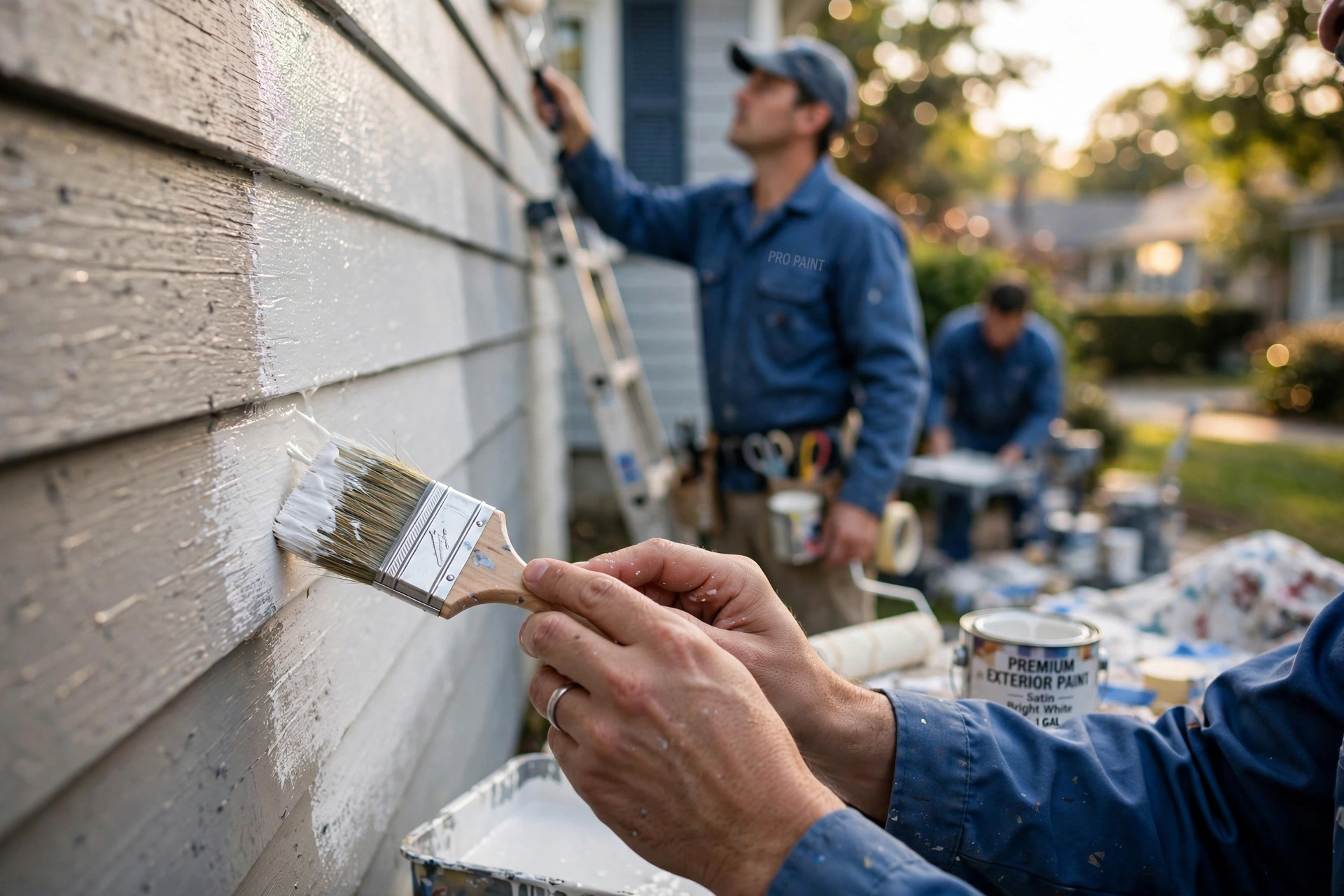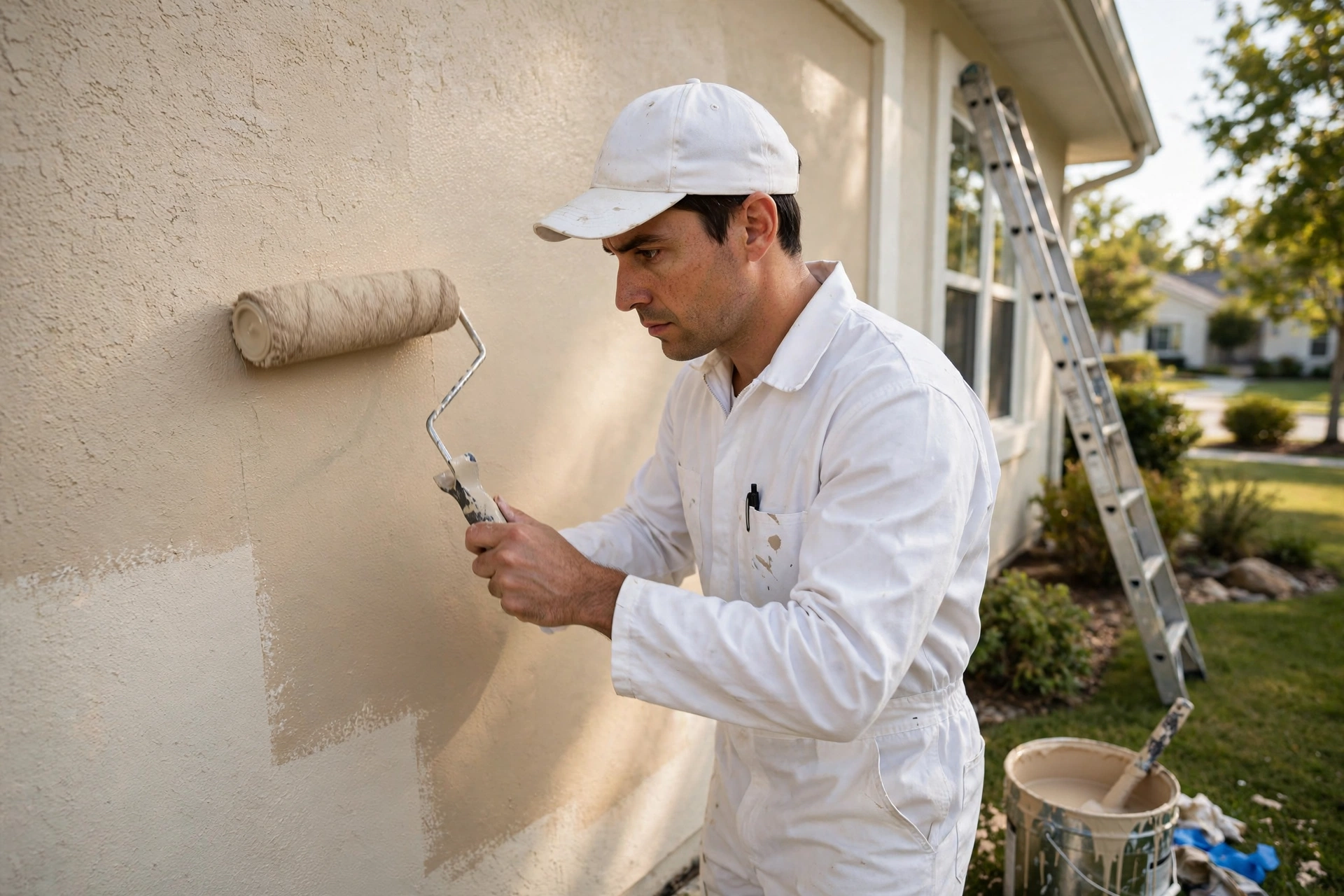


📖This article is part of the complete guide to HOA Painting Services.
How to Navigate and Use HOA Painting Services for Your Community
Managing a large-scale painting project within a governed community often feels like a diplomatic mission. In my experience working with dozens of residential associations in the San Francisco Bay Area, the friction rarely comes from the paint itself; it comes from a lack of coordination between the board, the homeowners, and the contractor. Learning how to use hoa painting services effectively requires a structured approach that balances strict aesthetic guidelines with the logistical reality of painting 50 or 500 units. The core process involves establishing a clear scope of work, securing board approval for a unified color palette, and hiring a licensed contractor who understands the specific legal and insurance requirements of a Homeowner Association.
For those managing complex residential clusters, understanding how to use California Bay Area painting resources is the first step in avoiding the common pitfalls of fragmented scheduling and color disputes. When the process is handled correctly, the result is a significant increase in property value and a seamless experience for the residents.

What Exactly Are HOA Painting Services and How Do They Work?
To understand the mechanics of these services, we first need to clarify what distinguishes them from a standard residential paint job. A typical homeowner chooses a color, hires a painter, and the work begins. In a governed community, the process is collective.
📚
Definition
HOA Painting Services are specialized large-scale painting contracts designed for Homeowner Associations, where a professional contractor provides a uniform aesthetic update across multiple dwellings, managed by a governing board rather than individual owners.
The workflow begins with a site assessment where the contractor identifies common failure points across the community. In the Bay Area, this often involves checking for salt-air corrosion in coastal zones or UV-induced peeling in the inland valleys. Once the assessment is complete, the contractor provides a bid that covers the entire community, often broken down by "phases" to minimize disruption to residents.
According to the Painting Contractors Association (PCA), professional painting for multi-family dwellings requires a higher standard of preparation and a more rigorous adherence to safety protocols than single-family homes. This is because the liability increases significantly when working in high-density areas. The contractor must manage "staging" areas, protect shared walkways, and ensure that the timing of the project doesn't clash with local ordinances or resident needs.
When a board decides how to use hoa painting services, they are essentially purchasing a managed transition. The service includes not just the application of paint, but the coordination of residents—sending notices about when to move cars, when to close windows, and how to handle pets during the power washing phase. This coordination is why specialized multi-family painters in Niles - Fremont, CA are preferred over general residential painters; they have the manpower and the project management software to track progress across an entire neighborhood.
Why Professional HOA Painting is Essential for Property Value
The visual cohesion of a community is one of the primary drivers of real estate valuation. When a neighborhood has a "patchwork" look—where some homes are freshly painted and others are peeling—it signals a lack of oversight and a decline in community standards.
The financial implications are measurable. Real estate data suggests that a professionally painted exterior can increase a home's perceived value by as much as 5% to 10%. When this is applied across an entire association, the collective equity lift is substantial. However, the risk of doing this poorly is even higher. According to the California Contractors State License Board (CSLB), hiring unlicensed contractors for large-scale projects leads to a higher rate of litigation and unfinished work, especially in complex HOA environments where payment is often tied to milestone approvals.
Beyond the aesthetics, the technical necessity of high-quality painting is a matter of structural preservation. In the Bay Area, moisture infiltration is a constant threat. Without a professional-grade sealant and a high-quality primer, water penetrates the siding, leading to dry rot and mold. This is a particularly high risk for those seeking exterior painting in Lakeside, Newark, CA, where microclimates can create unexpected pockets of humidity.
The cost of deferred maintenance in an HOA is exponential. A simple paint job every 5-7 years is a preventative measure. If a board waits 12 years, they are no longer paying for "painting"; they are paying for "restoration," which includes replacing rotted fascia boards, repairing stucco cracks, and treating extensive mold growth. By the time the peeling paint is visible, the underlying substrate is often already compromised.
Practical Application: A Step-by-Step Guide to Using HOA Painting Services
Successfully executing a community-wide project requires a specific sequence of events. The mistake I see constantly is boards jumping straight to "picking a color" without first establishing the technical requirements. Here is the professional framework for implementation.
Step 1: The Technical Audit and Scope Definition
Before looking at color swatches, the board must define the scope. Does the project include just the siding? What about the trim, eaves, garage doors, and fences? A comprehensive audit involves checking for lead-based paint, which is common in older Bay Area communities. The Environmental Protection Agency (EPA) mandates strict RRP (Renovation, Repair, and Painting) rules for lead-safe work practices. Any contractor you hire must be EPA RRP certified to ensure the safety of the residents.
Step 2: Color Selection and Board Approval
The board should select a "Master Palette." This typically consists of a primary body color, a trim color, and an accent color for doors or shutters. To avoid disputes, we recommend painting three large "test walls" in different areas of the community to see how the light hits the paint at different times of the day. Once the board approves the palette, it becomes the law of the land for that project, preventing individual homeowners from requesting "slight variations" that would ruin the cohesion.
Step 3: Vetting the Contractor
Do not hire based on the lowest bid. In the world of HOA painting, a low bid usually means the contractor is skipping the preparation phase. World Pro Painting emphasizes a 5-step prep process: power washing, scraping, sanding, caulking, and priming. If a bid doesn't explicitly detail these steps, it's a red flag. Ensure the contractor is fully licensed, bonded, and carries high-limit liability insurance that names the HOA as an additionally insured party.
Step 4: Resident Communication and Scheduling
This is where most projects fail. The contractor should provide a detailed "Project Calendar." Residents need to know exactly when their unit will be touched. For example, when working with multi-family painters in Mission San Jose - Fremont, CA, we implement a "Zone System" where residents receive a notification 48 hours before their zone begins.
Step 5: The Final Walk-Through and Warranty
Before the final payment is released, a board member and the project manager should conduct a punch-list walk-through. This ensures that every drip is cleaned and every missed spot is touched up. A professional service should provide a multi-year guarantee on labor and materials.
💡
Key Takeaway
The secret to a successful HOA project isn't the paint; it's the communication. A contractor who provides a clear resident notification schedule is far more valuable than one who simply offers the lowest price per square foot.

Choosing the Right Approach: Comparison of Service Models
Not every HOA has the same budget or needs. Some prefer a "wholesale" approach for the entire complex, while others allow for a "pre-approved list" where homeowners pay for their own painting but must use specific colors and contractors.
| Approach | Pros | Cons | Best For |
|---|---|---|---|
| Community-Wide Contract | Lowest cost per unit; guaranteed uniformity; single point of contact. | Requires large upfront reserve funding; high resident coordination. | Large complexes with strong reserve funds. |
| Pre-Approved Contractor List | No HOA upfront cost; homeowners choose their timing. | Inconsistent timing leads to "patchwork" look; higher cost per unit. | Small associations or those with low reserves. |
| Phased Master Plan | Spreads cost over several years; manageable disruption. | Takes longer to achieve full cohesion; paint colors may shift over time. | Aging communities with massive square footage. |
Now here's where it gets interesting: many boards attempt a "hybrid" model where the HOA pays for the main structures and owners pay for their own doors and trim. While this seems fair, it almost always leads to "color drift," where homeowners buy a "similar" white that doesn't actually match the Master Palette. In my experience, the Community-Wide Contract is the only way to truly protect the long-term value of the asset. For those managing high-density areas, utilizing multi-family painters in Weibel - Fremont, CA can streamline this process by providing a single, cohesive bid.
Common Questions and Misconceptions About HOA Painting
There are several myths that persist in board meetings, often perpetuated by "handyman" contractors who want the job but lack the infrastructure to execute it.
Myth 1: "We can just use a cheaper paint and repaint more often."
Most guides get this wrong by focusing on the cost of the gallon. The cost of a painting project is 80% labor and 20% materials. Using a low-grade paint might save the HOA a few thousand dollars upfront, but it will fail in 3 years instead of 7. The cost of mobilizing a crew, setting up ladders, and notifying residents is the most expensive part. According to technical specifications from Sherwin-Williams, high-performance acrylic lattices provide significantly better UV resistance and elasticity, which is essential for the temperature swings in the Bay Area.
Myth 2: "The HOA can't force homeowners to move their cars or clear their porches."
Actually, most CC&Rs (Covenants, Conditions, and Restrictions) include a "Maintenance and Access" clause. When the board enters a contract for community-wide painting, they are exercising their right to maintain the common elements and the exterior appearance of the units. However, the best approach is cooperation, not coercion. Providing a "Resident Handbook" for the project reduces friction.
Myth 3: "Power washing is just a 'bonus' and not strictly necessary."
This is a dangerous misconception. Painting over dust, mildew, or oxidation is like putting a bandage over a dirty wound; it will peel. Professional power washing removes the "chalking" from old paint, allowing the new primer to bond to the substrate. This is a non-negotiable step for any project, including those for exterior painting in Birch Grove, Newark, CA.
Myth 4: "We don't need a licensed contractor if the job is simple."
In California, the risks of using an unlicensed "helper" for an HOA are astronomical. If a worker falls from a ladder or a paint spill ruins a resident's expensive driveway, the HOA board could be held personally liable if they didn't perform due diligence on the contractor's license and insurance. Always verify the license via the CSLB.
Frequently Asked Questions
How do we determine the best time of year for HOA painting in the Bay Area?
The ideal window is typically late spring through early fall. In the San Francisco Bay Area, you have to account for the "June Gloom"—the period of heavy coastal fog that can extend drying times and affect the curing of certain paints. For inland areas like Fremont or Livermore, the extreme heat of July and August can cause paint to dry too quickly, leading to lap marks and brush streaks. We generally recommend starting projects in April or May to take advantage of mild temperatures and lower humidity, ensuring the paint cures at the optimal rate for maximum durability.
What should be included in a professional HOA painting bid?
A legitimate bid should be far more than a single number. It must include a detailed Scope of Work (SOW) that lists exactly which surfaces are being painted. It should explicitly detail the preparation steps: pressure washing, scraping of loose paint, caulking of gaps, and the number of primer and finish coats. Additionally, it should name the specific products being used—for example, citing Benjamin Moore premium exterior lines. Finally, it must include a project timeline, a resident communication plan, and proof of insurance/licensing.
How does the HOA handle residents who refuse to comply with painting schedules?
Compliance is best handled through a combination of clear communication and the HOA's legal authority. First, the board should issue a formal notice 30 days in advance, explaining the benefit of the project. Second, a "Notice of Access" should be sent 7 days and 48 hours before work begins. If a resident continues to block access, the board can typically issue a fine based on the CC&Rs. However, we find that offering a "rescheduling window" for a specific unit is usually the fastest way to resolve the conflict without involving legal counsel.
Can we use the same colors we had ten years ago, or should we update?
While consistency is key, paint technology and color trends evolve. A "beige" from 2016 may look yellowed or dated today. We suggest the board consult with a professional color specialist to find a modern version of their original palette. This allows the community to maintain its "identity" while looking refreshed. It's also a great time to switch to more durable, Low-VOC paints that meet current California environmental regulations, ensuring the community is not only beautiful but also healthy and compliant.
How long does a typical multi-family painting project take?
The duration depends entirely on the number of units and the level of preparation required. For a medium-sized community of 50-100 units, a professional crew can typically complete the project in 4 to 8 weeks. The timeline is broken down by "Phase" or "Zone." For instance, when performing commercial painting in Cabrillo - Fremont, CA, we might divide the property into four quadrants, spending two weeks on each. This ensures that no resident is inconvenienced for the entire duration of the project.
Final Thoughts on Using HOA Painting Services
Understanding how to use hoa painting services is less about the paint and more about the process. When a board prioritizes a technical audit, a unified color palette, and a contractor with a proven track record in multi-family dwellings, the project transforms from a headache into a high-return investment. The key is to avoid the temptation of the lowest bid and instead invest in a team that understands the logistical complexities of the California Bay Area.
Whether you are managing a small complex in Newark or a massive community in Fremont, the goal is the same: long-term structural protection and maximized property value. By following the structured steps of auditing, vetting, and communicating, you ensure that the community remains a desirable place to live for years to come.
For a professional assessment of your community's needs and a detailed, transparent bid, visit World Pro Painting to schedule your free on-site estimate.
Bay Area Service Locations & Featured Guides
Explore our licensed painting services across the San Francisco Bay Area:
- HOA Painting Contractors in San Rafael, CA
- HOA & Multi-Family Painting in Alameda, CA
- HOA Painting Services in Orinda, CA
- HOA Painting Contractors in Millbrae, CA
- Union City HOA & Multi-Family Repainting
Reference Sources
For deeper context on this topic, these sources provide additional authoritative perspectives:
- Wikipedia — general knowledge reference
- GitHub — development and technology documentation
- The New York Times — news and journalistic updates
These references help establish a complete view of the subject matter.
Commercial Painting Cost Calculator & Color Guide
Get an instant estimation checklist for painting your office, warehouse, or house. Learn how to choose colors that boost productivity.