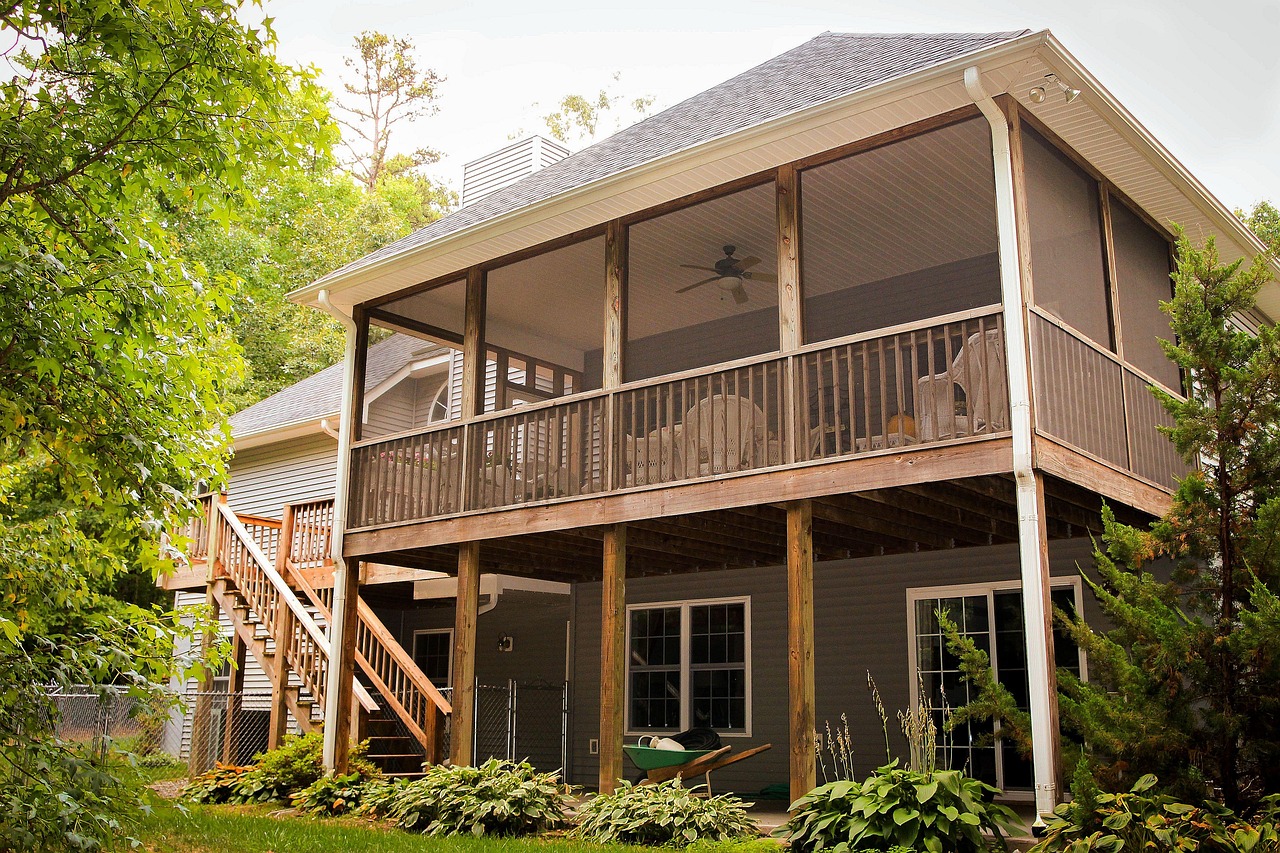
What Is EPA Lead-Safe Certified Painting and Why Does It Matter for Historic Bay Area Homes?
📚Definition
EPA Lead-Safe Certified Painting refers to work practices mandated by the U.S. Environmental Protection Agency (EPA) under the Renovation, Repair, and Painting (RRP) Rule. These practices apply to any renovation, repair, or painting project that disturbs lead-based paint in homes, child-occupied facilities, and pre-1978 buildings.
For homeowners in the Bay Area, many historic properties—from Victorians in San Francisco to Craftsman bungalows in Berkeley—were built before 1978, when lead-based paint was banned for residential use. According to the EPA, approximately 87% of homes built before 1940 contain some lead-based paint. In my experience working with these homes, the risk of lead exposure during renovation is real but entirely manageable with proper containment, personal protective equipment, and certified work practices.
💡Key Takeaway
Using an EPA Lead-Safe Certified firm like World Pro Painting is not just a legal requirement—it’s the safest way to preserve the architectural integrity of your historic Bay Area home while protecting your family’s health.
Why Pre-1978 Homes in the Bay Area Require Lead-Safe Practices
The Prevalence of Lead-Based Paint in Historic Bay Area Architecture
The Bay Area boasts some of the oldest and most architecturally significant housing stock in California. Neighborhoods like Pacific Heights in San Francisco, Elmwood in Berkeley, and Old Palo Alto feature homes built between 1880 and 1940. These homes almost certainly contain layers of lead-based paint under modern coatings. A study by the California Department of Public Health found that children living in pre-1950 housing in Alameda County have significantly higher blood lead levels than those in newer homes.
Health Risks of Lead Exposure
Lead is a neurotoxin that poses severe risks to children, pregnant women, and adults. According to the CDC, even low levels of lead in blood can cause learning disabilities, behavioral issues, and reduced IQ in children. For adults, lead exposure can lead to hypertension, kidney damage, and reproductive problems. The EPA RRP Rule aims to prevent lead poisoning by ensuring that renovation activities do not generate hazardous dust.
Legal and Financial Consequences of Non-Compliance
Failure to follow EPA lead-safe practices can result in fines up to $37,500 per violation per day. Additionally, homeowners who hire uncertified contractors may face liability if a child or worker is poisoned. Most importantly, lead-safe certification is a hallmark of professionalism — and at World Pro Painting, we hold EPA Lead-Safe Certification (CSLB #1142478) to ensure every project meets or exceeds federal standards.
How to Implement EPA RRP Lead-Safe Practices: Step-by-Step Guide
Step 1: Pre-Renovation Education and Risk Assessment
Before any work begins, we provide the EPA-required Renovate Right brochure to homeowners and obtain a signed acknowledgment. A certified inspector or risk assessor may test painted surfaces for lead using X-ray fluorescence (XRF) analyzers or laboratory analysis of paint chips. This step is critical to determine the scope of containment needed.
Step 2: Establish Containment Zones
All work areas must be isolated from the rest of the home. We use heavy-duty polyethylene sheeting (minimum 6 mil) to seal doorways, windows, and HVAC vents. Ground cloths protect floors and catch dust. Signs are posted to warn occupants and visitors. This is similar to the meticulous preparation we do for cabinet refinishing projects — containment is non-negotiable.
Step 3: Minimize Dust Generation
We use HEPA-equipped power tools (sanders, grinders, saws) that capture dust at the source. Wet methods—such as misting surfaces before scraping—reduce airborne particulates. We never use open-flame torches or heat guns above 1100°F, as these can vaporize lead.
Step 4: Daily Cleanup and Final Verification
At the end of each day, we clean the work area with HEPA vacuums and wet wiping. Upon completion, a visual inspection and optional clearance dust wipe test verify that lead dust levels are below EPA thresholds. We document everything for our records and your peace of mind.
Common Mistakes in Lead-Safe Painting (and How to Avoid Them)
Mistake 1: Assuming Lead Paint Is Not Present
Many homeowners believe that if previous layers are intact, there’s no risk. However, any disturbance of painted surfaces — even sanding a single window frame — can release dangerous dust. Always assume lead is present until proven otherwise.
Mistake 2: Using Improper Cleanup Methods
Brooms and standard vacuum cleaners spread lead dust. Only HEPA vacuums and wet wiping should be used. We’ve seen DIY attempts where homeowners used a shop vac without a HEPA filter, resulting in elevated dust levels.
Mistake 3: Inadequate Personal Protection
Uncertified workers often use simple dust masks instead of proper respirators (N-100 or P-100). This exposes them and their families to lead. Our crews are trained in proper PPE use, including fit-tested respirators.
Comparison: DIY vs. Professional Lead-Safe Painting
| Aspect | DIY Approach | Professional Certified Contractor (World Pro Painting) |
|---|
| Knowledge of RRP Rule | Often unaware | Trained and certified by EPA |
| Containment | Plastic sheeting, often inadequate | 6-mil poly sheeting, sealed joints, negative pressure |
| Dust Control | Open sanding, standard tools | HEPA vacuums, wet methods, shrouded tools |
| Personal Protection | Dust masks | Full-face respirators, Tyvek suits |
| Cleanup | Broom and mop | HEPA vacuum, wet wiping, clearance testing |
| Warranty | None | 6-Year Guarantee on labor and materials |
| Legal Compliance | Risk of fines | Full compliance, documentation provided |
💡Key Takeaway
While it’s possible to perform lead-safe work yourself by following EPA guidelines, the complexity and risk make hiring a certified professional like World Pro Painting the smarter choice for historic Bay Area homes.
Real-World Examples: Historic Home Restoration in the Bay Area
Case Study 1: Queen Anne Victorian in Alameda
Our team was called to restore the exterior of a 1904 Queen Anne Victorian in Alameda’s Gold Coast district. The home had multiple layers of paint, with visible chalking and peeling. After XRF testing confirmed lead in the lower layers, we set up full containment around the house, including scaffolding with tarps. We used HEPA sanders to feather edges and applied a high-quality Sherwin-Williams Duration exterior paint system. The result was a stunning restoration that maintained the home’s historic character while ensuring zero lead exposure to the family or neighbors. The project was completed on time and within budget, backed by our 6-Year Guarantee.
Case Study 2: Craftsman Bungalow in Berkeley
A homeowners’ association in Berkeley needed all common-area trim repainted in a 1920s Craftsman bungalow complex. The trim had multiple layers of lead paint. We coordinated with the HOA to schedule work in phases, isolating each unit’s entrance with airtight barriers. Our crews used negative air machines and HEPA vacuums to keep dust out of occupied units. The project passed all clearance wipe tests and the HOA was so impressed they contracted us for ongoing maintenance painting.
Frequently Asked Questions
What is EPA RRP certification?
EPA RRP (Renovation, Repair, and Painting) certification is a federal requirement for firms and individuals who perform renovation work for compensation in pre-1978 homes or child-occupied facilities. Certification involves completing an accredited training course that covers lead-safe work practices, containment, waste disposal, and recordkeeping.
How do I know if my Bay Area home has lead paint?
If your home was built before 1978, there is a high likelihood that lead-based paint was used, especially on exterior surfaces, windows, and doors. The only way to be certain is to have painted surfaces tested by a certified lead inspector or risk assessor. They use XRF analyzers or send paint chip samples to a lab.
Can I paint over lead paint instead of removing it?
Yes, encapsulating lead paint by applying a specialized coating is an EPA-approved method of managing lead hazards. However, encapsulation only works if the existing paint is intact and well-adhered. If the paint is peeling or chalking, the old paint must be stabilized first. A certified contractor will determine the best approach after a thorough assessment.
How long does a lead-safe painting project take?
Timelines vary depending on the size of the project and the extent of lead mitigation needed. A single-room interior might take 2–3 days, while a full exterior restoration of a large Victorian could take several weeks. We always provide a detailed timeline in our binding estimate.
Are there state-specific lead regulations in California?
Yes, California has its own lead regulations under Cal/OSHA and the California Department of Public Health. In addition to federal EPA RRP requirements, California mandates lead-safe work practices for all commercial and residential projects involving lead-based paint. Our team is fully compliant with both state and federal rules.
What happens if lead dust escapes containment?
If lead dust escapes, immediate steps must be taken to clean the affected areas with HEPA vacuums and wet wiping. In severe cases, clearance testing by a third-party inspector may be required. Proper containment and daily cleanup are designed to prevent such incidents. We train our crews extensively in containment protocols.
Does World Pro Painting offer free estimates for lead-safe painting?
Yes, we provide free, no-obligation on-site estimates for lead-safe painting projects in all 42 cities we serve. During the estimate, we will assess the condition of painted surfaces, discuss the need for testing, and provide a transparent, itemized quote with no hidden fees.
What makes World Pro Painting different from other painters for historic homes?
Our team includes EPA-certified renovators with specific training in historic preservation techniques. We understand the unique challenges of pre-1978 Bay Area homes, from fragile lath and plaster walls to intricate Victorian trim. We use only premium paints from Sherwin-Williams and Benjamin Moore, and every project is backed by our 6-Year Guarantee. Our daily cleanup is so thorough that you’ll barely know we were there until you see the finished result.
Final Thoughts on EPA Lead-Safe Certified Painting for Historic Bay Area Homes
Protecting your family and preserving the beauty of your historic Bay Area home go hand in hand when you choose EPA Lead-Safe Certified painting. The practices we’ve outlined—from pre-renovation education to final clearance testing—ensure that your home’s legacy is maintained without compromising health or safety. At World Pro Painting, we’ve applied these protocols on hundreds of pre-1978 homes across Alameda, San Mateo, and Contra Costa counties, earning the trust of homeowners, HOAs, and commercial property managers.
If you’re planning a painting project for your historic home, don’t cut corners. Contact World Pro Painting today for a free, binding estimate and experience the peace of mind that comes with working with a certified, trusted professional. Visit
World Pro Painting to schedule your consultation.
About the Author
World Pro Team is the CEO & Founder of
World Pro Painting, a fully licensed and insured painting company serving 42 cities across the Bay Area. With years of hands-on experience restoring historic properties and a commitment to EPA lead-safe practices, the team brings unmatched expertise to every project.
Commercial Painting Cost Calculator & Color Guide
Get an instant estimation checklist for painting your office, warehouse, or house. Learn how to choose colors that boost productivity.