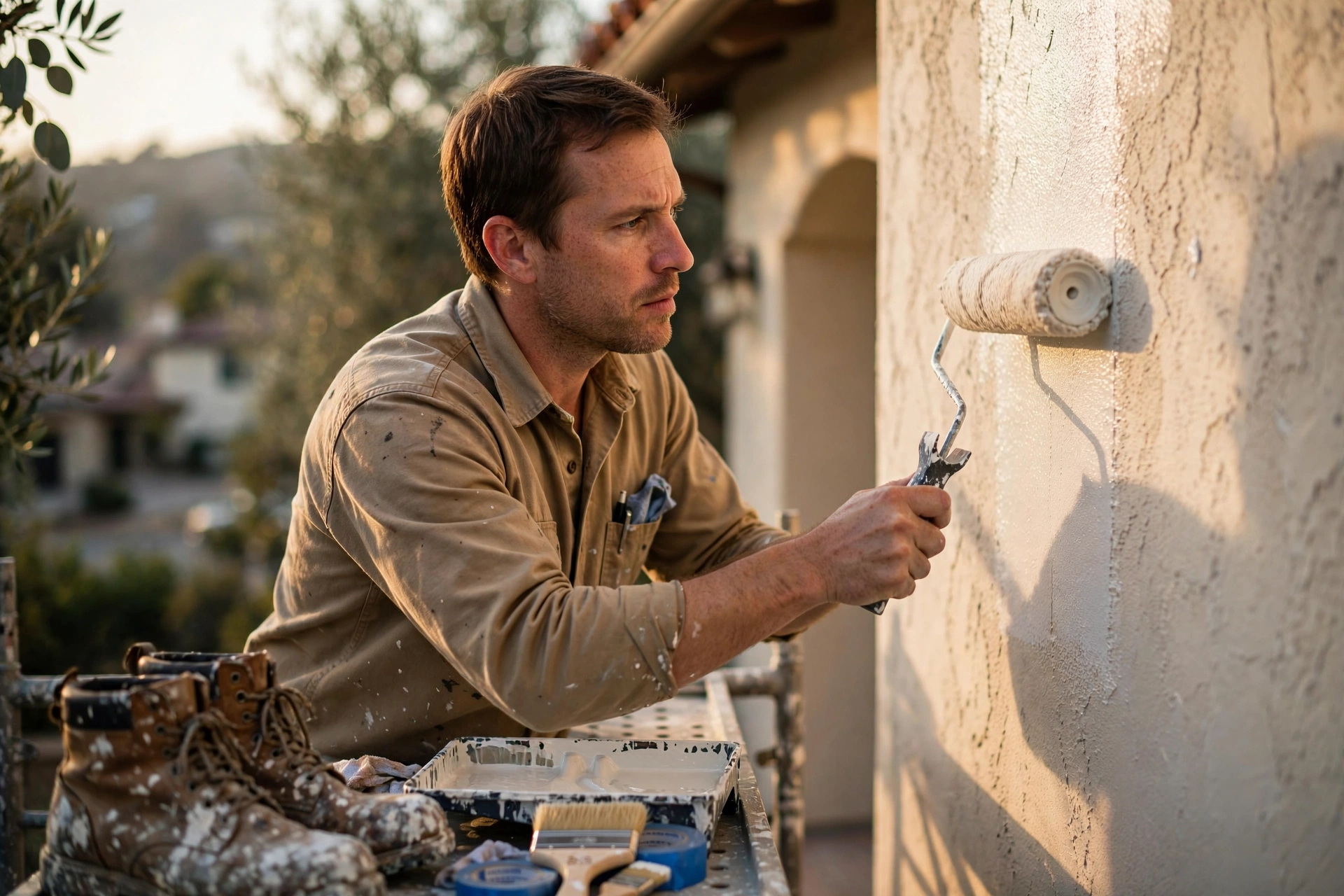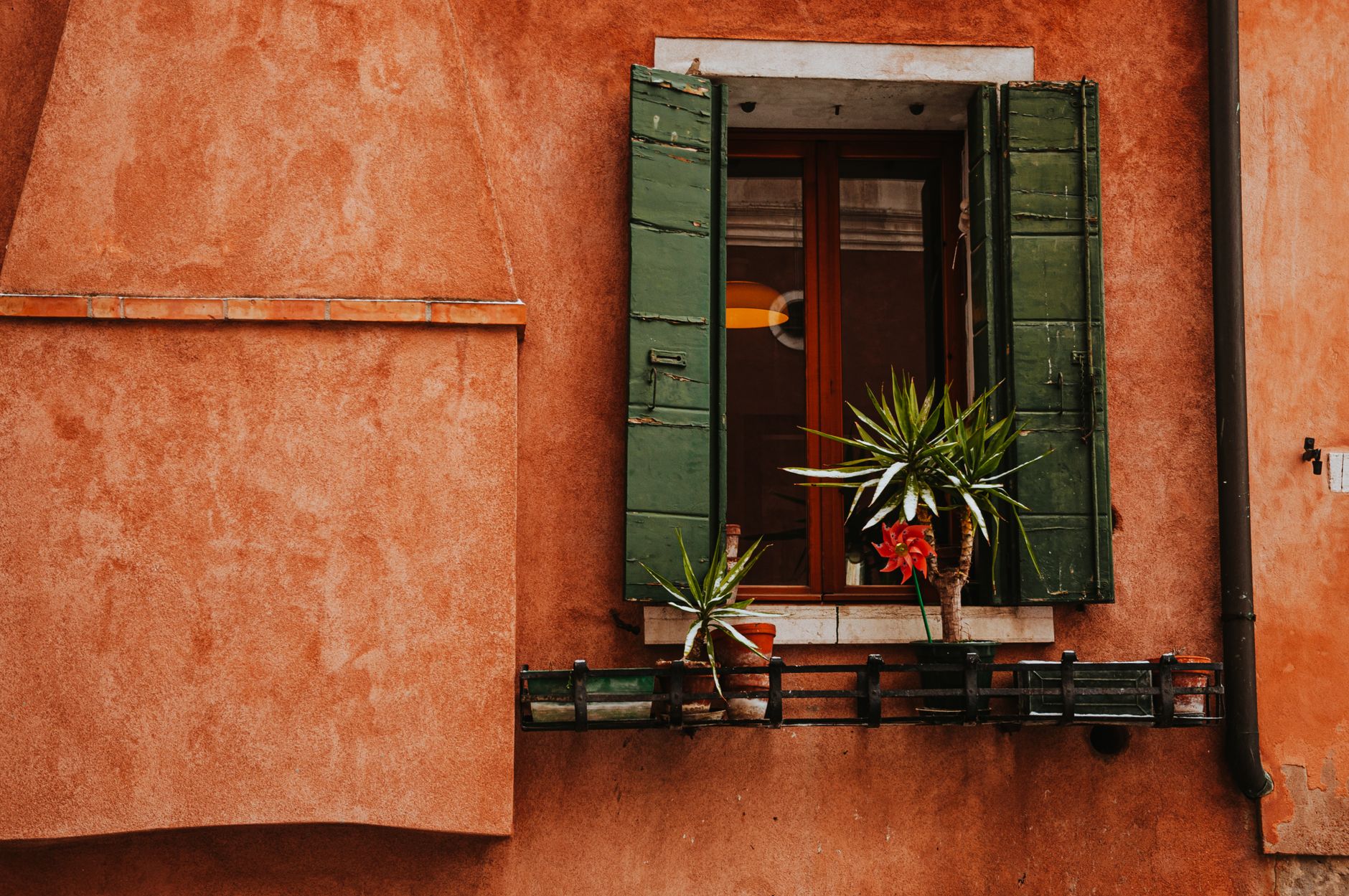

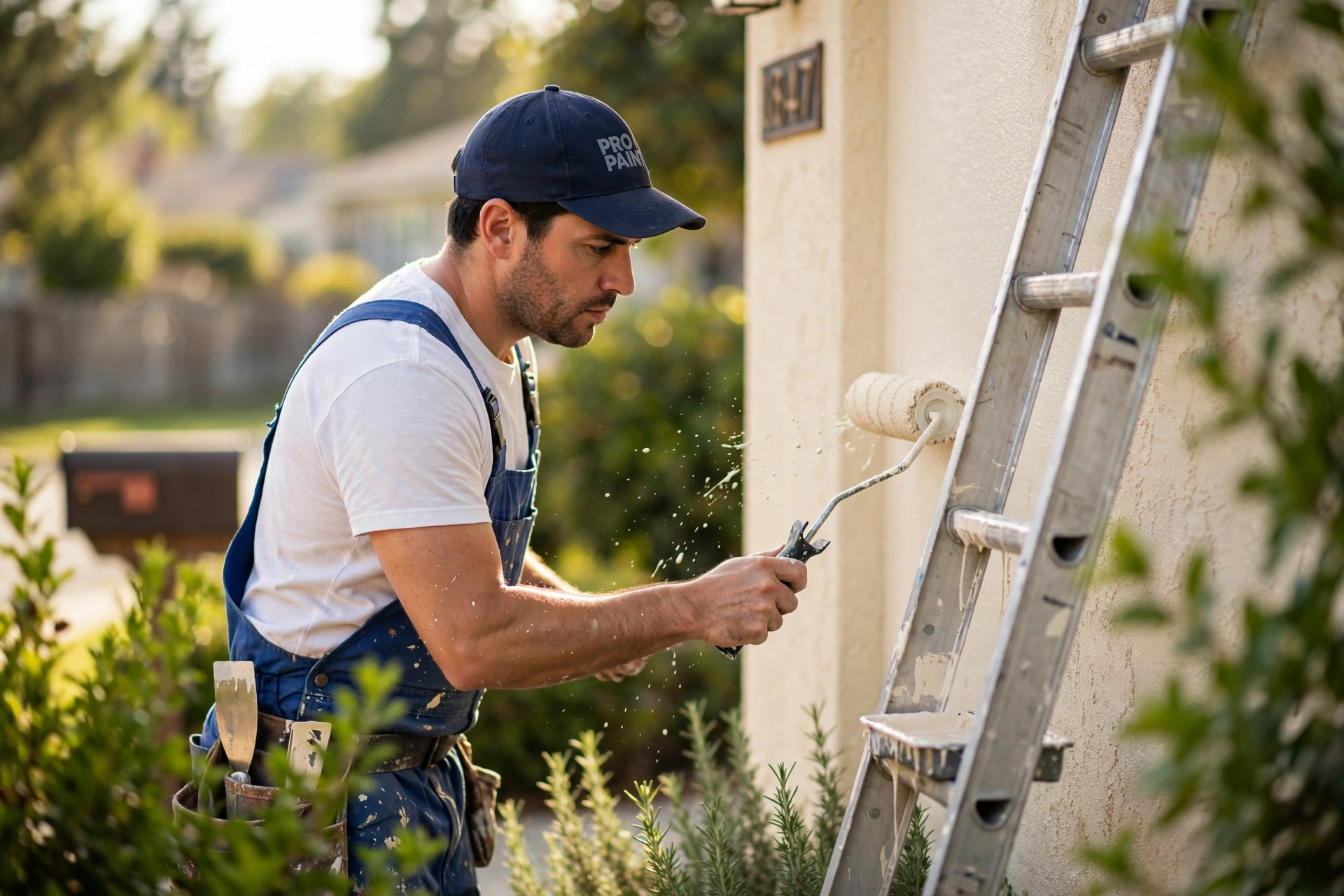
📖This article is part of the complete guide to Stucco Painting.
Pleasanton homeowners often struggle with the brutal transition between scorching Tri-Valley summers and damp winters, which leads to hairline cracks and oxidation on exterior walls. Professional stucco painting in Pleasanton, CA, is the most effective way to restore your home's curb appeal while creating a waterproof barrier against the elements. At World Pro Painting, we provide a full-cycle restoration process—including power washing, scraping, patching, and premium elastomeric coating—to ensure your stucco doesn't just look new, but remains structurally sound for years. For a broader look at regional standards, our Hiring California Bay Area Painting: Scope, Timeline & Bay Area Project Guide offers a comprehensive roadmap for local homeowners.
Why Pleasanton Homeowners Are Prioritizing Stucco Restoration in 2026?
In my experience working with luxury estates and family homes across the Tri-Valley area, I've noticed a significant shift toward high-performance elastomeric coatings. Many homeowners in Pleasanton initially view stucco as a "set it and forget it" material, but the reality of the East Bay climate is different. The extreme temperature swings between the inland heat of Pleasanton and the cooler coastal influence cause stucco to expand and contract, leading to structural fatigue.
According to the Painting Contractors Association (PCA), proper coating systems can extend the life of a masonry substrate by up to 10 years by preventing water infiltration. In Pleasanton, water is the enemy; once moisture penetrates a hairline crack in the stucco, it can lead to mold growth or, in worst-case scenarios, dry rot in the underlying wooden framing. This is why we see a surge in demand for specialized stucco painting that goes beyond a simple aesthetic refresh.
Furthermore, the California Contractors State License Board (CSLB) emphasizes the importance of using licensed professionals for exterior work to ensure compliance with local building codes and safety standards. When we analyze the failure points of DIY stucco jobs in the Bay Area, the issue is almost always a lack of proper surface preparation. Homeowners often apply paint directly over dirty or flaking stucco, which creates a bond failure within 24 months. By using professional-grade primers and weather-resistant coatings, we ensure the finish adheres to the porous nature of the stucco without peeling.

What Are the Key Benefits of Professional Stucco Painting for Your Home?
Investing in a professional stucco refresh isn't just about a color change; it's about asset protection. Stucco is inherently porous, meaning it breathes, but it also absorbs pollutants and moisture. In the Tri-Valley region, UV exposure is particularly aggressive, which breaks down the chemical bonds of low-grade paints, leading to "chalking" where a powdery residue forms on the surface.
Enhanced Thermal Efficiency and Energy Savings
Modern stucco paints, especially those with reflective pigments, can significantly reduce the amount of heat absorbed by your home during a Pleasanton July. By choosing a high-SRI (Solar Reflectance Index) color, you can lower your indoor cooling costs. When we've implemented these coatings for clients, we've seen a noticeable difference in how the home retains heat, which aligns with broader energy efficiency goals seen in the California Bay Area.
Superior Waterproofing with Elastomeric Coatings
Unlike standard acrylic paints, elastomeric coatings are designed to stretch. This is a fundamental requirement for stucco in Northern California. As the house settles or the temperature shifts, the paint expands and contracts with the substrate rather than cracking.
📚
Definition
Elastomeric paint is a high-build coating that creates a flexible, waterproof membrane over the surface, capable of bridging hairline cracks up to 1/16th of an inch.
Increased Property Valuation and Curb Appeal
Real estate data consistently shows that a freshly painted exterior is one of the highest ROI home improvements. A home with peeling, stained stucco can be perceived by buyers as having "hidden moisture issues," which can lead to lower offers. By refreshing the exterior, you remove that psychological barrier for potential buyers. In many cases, our clients in the Lakeside Newark, CA area have seen an immediate increase in appraisal value following a full exterior restoration.
💡
Key Takeaway
Professional stucco painting prevents water intrusion and UV degradation, effectively acting as a sacrificial layer that protects the structural integrity of your home's walls.
| Feature | DIY/Cheap Painting | Generic Contractor | World Pro Painting Approach |
|---|---|---|---|
| Surface Prep | Minimal/None | Basic Power Wash | 5-Step Prep (Wash, Scrape, Sand, Caulk, Prime) |
| Material | Standard Exterior Latex | Mid-grade Acrylic | Premium Elastomeric/Sherwin-Williams |
| Durability | 2-3 Years | 4-6 Years | 6-Year Guarantee |
| Crack Repair | Fill with caulk only | Patching with mortar | Structural crack sealing + membrane coating |
| Finish | Streaky/Uneven | Acceptable | Factory-smooth professional finish |
Real-World Examples of Stucco Transformations in the Bay Area
To understand the impact of a professional approach, let's look at two distinct projects we managed. These examples highlight the difference between a "paint job" and a "restoration."
Case Study 1: The Victorian-Style Stucco Home in Pleasanton
We were called to a residence where the homeowner had attempted to paint the stucco every three years using a big-box store acrylic paint. The result was a layered "cake" of peeling paint and deep vertical cracks near the window frames.
Our team began by removing all loose paint using industrial scrapers and a precision pressure wash to eliminate 20 years of oxidation. We identified three major structural cracks that required specialized masonry filler. After applying a high-adhesion primer, we used a premium Sherwin-Williams elastomeric finish. The result? The home's curb appeal increased instantly, and more importantly, the water-test confirmed a 100% seal against moisture. The homeowner reported a significant decrease in interior humidity levels in the rooms adjacent to the repaired walls.
Case Study 2: The Multi-Family Complex in the East Bay
Working on larger residential projects, such as those similar to the ones we handle for House Painters in Weibel Fremont, CA, requires a focus on scale and longevity. We managed a complex with 12 units where the original beige stucco had faded to a chalky white due to UV exposure.
Because the complex had a strict HOA (Homeowner Association) color palette, we had to match the original specs perfectly while upgrading the paint quality. We utilized airless spray technology to ensure a uniform coat across 15,000 square feet of stucco. By using a low-VOC, high-durability coating, we reduced the need for future maintenance for at least 7-10 years. The management company noted that the project was completed 15% faster than their previous contractor's timeline due to our coordinated 5-step preparation system.

How to Get Started with Professional Stucco Painting
Getting your home ready for a professional finish requires a systematic approach. You shouldn't just hire the lowest bidder; you should hire the team that understands the chemistry of stucco. Here is the professional workflow we implement at World Pro Painting to ensure a lifetime of protection.
Step 1: The Comprehensive Surface Audit
We start with a detailed inspection of the stucco's current state. This involves checking for "efflorescence"—those white, salty deposits that appear when water leaches minerals from the concrete. If we paint over efflorescence, the paint will bubble. We also map out every crack to determine if it is a surface hairline crack or a structural failure.
Step 2: Industrial Power Washing
We don't just rinse the walls. We use a professional-grade pressure washer to remove dirt, mildew, and chalking. This opens the pores of the stucco, allowing the primer to penetrate deeper into the substrate. For homes in areas like Brookvale Fremont, CA, where road dust can accumulate on lower walls, this step is non-negotiable.
Step 3: Patching and Sealant Application
This is where the magic happens. We use high-quality masonry sealants and elastomeric patches to fill cracks. We don't use standard interior caulk, as it shrinks and peels. We use a specialized stucco patch that expands and contracts at the same rate as the wall. This ensures that when the Pleasanton heat hits in August, your paint doesn't crack.
Step 4: Priming for Adhesion
Stucco is highly alkaline. If you use the wrong primer, a chemical reaction called "saponification" occurs, which turns the paint into a soap-like substance that peels off the wall. We apply a masonry-specific primer (often from Benjamin Moore) that neutralizes the pH of the stucco and creates a perfect bond for the topcoat.
Step 5: Final Coating and Quality Control
We apply the final coats using a combination of spraying for uniformity and back-rolling to push the paint into the texture of the stucco. This "spray and roll" technique is the industry gold standard for ensuring no thin spots exist. We then perform a final walk-through to ensure every edge is crisp and every window frame is perfectly sealed.
Common Objections and Data-Backed Answers
Many homeowners hesitate to invest in professional stucco painting because they believe it is an "aesthetic-only" expense. However, the data suggests otherwise.
Objection 1: "I can just use a cheap acrylic paint and it will look the same."
Most people assume that all exterior paints are the same, but the data shows that standard acrylics have a much lower elongation rate than elastomeric coatings. According to technical specifications from Sherwin-Williams, elastomeric paints can stretch significantly more than acrylics, which is essential for the porous and shifting nature of stucco. Using cheap paint on stucco is like putting a piece of tape over a leaking pipe; it looks fine for a week, but the underlying problem persists.
Objection 2: "Painting stucco is too expensive compared to other options."
In practice, this is a misunderstanding of long-term costs. A cheap paint job every 3 years costs more over a decade than one high-quality professional job every 8 years. When you factor in the cost of repairing water damage to the interior drywall caused by stucco cracks, the "expensive" professional option actually saves you thousands of dollars in remediation.
Objection 3: "I'll just wait until the cracks get bigger so I can fix everything at once."
This is the most dangerous mistake I see. In my experience, waiting for a crack to become "obvious" means the water has already been inside your walls for months. By the time you see a large crack, you likely already have mold in your wall cavities. Addressing these issues early through professional painting and sealing is a preventative health measure for your home.
Frequently Asked Questions
How long does professional stucco painting in Pleasanton, CA typically last?
When performed by licensed contractors using the 5-step preparation process, a professional stucco paint job should last between 7 to 12 years before needing a refresh. The longevity depends heavily on the type of paint used; elastomeric coatings last longer because they resist cracking. Environmental factors, such as your home's proximity to heavy foliage or direct exposure to the harsh Tri-Valley sun, will influence the wear. Regular maintenance, such as a light power wash every two years, can further extend the life of the finish by removing abrasive dust and pollutants.
Do I need a special primer for my stucco walls?
Yes, using a masonry-specific primer is essential. Stucco is naturally alkaline and porous. If a standard primer is used, it may fail to adhere or cause a chemical reaction known as saponification, where the paint literally separates from the wall. A professional primer seals the pores and creates a chemical bond that prevents peeling. At World Pro Painting, we use high-performance primers from brands like Benjamin Moore to ensure that the final coat stays bonded to the wall regardless of temperature fluctuations.
Can you paint over stucco that is already peeling?
Painting over peeling stucco is a recipe for failure. If the previous layer of paint is failing, any new paint applied on top will simply pull the old layer away from the wall, leading to massive sheets of peeling paint. The correct process involves scraping away all loose material, sanding the edges of the remaining paint to create a smooth transition, and then priming the bare stucco. This ensures a clean, stable foundation for the new coating, preventing the "peeling cycle" from repeating.
Is elastomeric paint better than acrylic for Pleasanton homes?
For the vast majority of Pleasanton homes, elastomeric paint is the superior choice. Because the Tri-Valley area experiences extreme heat and occasional moisture, the flexible nature of elastomeric coatings allows them to bridge hairline cracks that acrylic paints would simply crack through. While acrylics are great for wood or siding, the movement of a stucco wall requires the "rubber-like" properties of elastomeric coatings to maintain a waterproof seal over time.
How do I know if my stucco has structural cracks or just surface cracks?
Surface cracks (hairline cracks) are typically thin and do not penetrate deeply into the wall. Structural cracks are usually wider than 1/8th of an inch and may appear as diagonal lines or stairs. If you see water staining on your interior walls or feel dampness near the baseboards, you likely have structural cracks. We recommend having a licensed contractor perform a surface audit to determine the scope of repair. In many cases, these can be sealed with professional-grade masonry fillers before painting to prevent further damage.
Final Thoughts on Stucco Painting in Pleasanton, CA
Maintaining the exterior of your home in the East Bay requires more than just a bucket of paint and a brush; it requires an understanding of regional climate challenges and material chemistry. Whether you are updating a historic residence or maintaining a modern multi-family complex, the goal should always be the intersection of aesthetics and structural protection. Choosing professional stucco painting in Pleasanton, CA, ensures that your investment is protected against the aggressive UV rays and moisture cycles of the California Bay Area.
Don't leave your home's largest asset to chance. From high-precision preparation to the final coat of premium elastomeric paint, we provide a level of craftsmanship that DIY solutions simply cannot match. For homeowners in the Mission San Jose Fremont, CA area or anywhere across the Tri-Valley, we are ready to help you restore your home's beauty and durability.
Ready to protect your home? Visit World Pro Painting today to schedule your Free On-Site Estimate and experience the 6-year guarantee difference.
Get 15% Off Exterior Painting This Month
Schedule your free estimate today and secure your spot in our calendar.
Bay Area Property Painting Prep & Architectural Color Guide
Get our complete 5-step preparation checklist and climate-appropriate Sherwin-Williams & Benjamin Moore color guide for Bay Area homes, HOAs, and commercial properties.