

📖This article is part of the complete guide to Fence & Deck Staining Services.
Exposure to the intense East Bay sun and fluctuating humidity levels often leaves outdoor wood looking grey and brittle. For homeowners seeking professional deck and fence staining in Clayton, CA, the solution involves a precise combination of chemical cleaning, mechanical sanding, and the application of high-solids penetrating stains to prevent rot and UV degradation. At World Pro Painting, we provide a comprehensive 5-step preparation process—power washing, scraping, sanding, caulking, and priming—to ensure the stain bonds deeply with the wood fibers rather than sitting on the surface.
In my experience working with homes in the foothills of Clayton, the mistake I see most often is homeowners applying a generic 'stain-and-seal' product from a big-box store without first removing the oxidized layer of wood. This results in peeling and flaking within 12 months, often requiring a full strip-down that costs three times as much as the initial professional application. To avoid these pitfalls, it is essential to follow a California Bay Area painting project guide to understand the local climate's impact on wood longevity.
Why Clayton Homeowners are Prioritizing Professional Wood Staining
Clayton's unique geography—characterized by hot summer peaks and occasional damp winters—creates a volatile environment for exterior wood. Many residents are moving away from simple painting and adopting professional staining because it allows the wood to breathe while providing a hydrophobic barrier against moisture. According to the Painting Contractors Association (PCA), properly sealed wood surfaces can extend the life of a deck by up to 10 years compared to untreated wood, significantly increasing the property's overall market value.
When we analyze the wood degradation patterns in the East Bay, we notice that UV radiation breaks down lignin, the organic polymer that binds wood fibers together. This is why decks in Clayton often turn a silvery-grey. A professional stain doesn't just add color; it acts as a chemical sunscreen. Research from Sherwin-Williams indicates that stains with high pigment loads provide superior UV protection compared to clear sealers, which can fail in as little as six months under the California sun.
Furthermore, the risk of dry rot in the Bay Area is exacerbated by poor drainage and lack of sealant. By employing a professional contractor, homeowners ensure that the wood is saturated with a penetrating oil that repels water at the cellular level. This is particularly important for those in hilly Clayton neighborhoods where wind-driven rain can penetrate deep into fence joints, leading to internal decay that isn't visible until the structure fails.
Key Benefits of Professional Deck and Fence Staining
Investing in high-quality staining is not merely an aesthetic choice; it is a structural preservation strategy. The primary advantage is the mitigation of moisture-induced expansion and contraction, which leads to cracking and warping. When wood is left unprotected, it absorbs water, swells, and then shrinks as it dries, creating microscopic fissures that allow mold and fungi to take hold.
Enhanced Structural Longevity
Professional staining seals the porous nature of the wood, preventing water from seeping into the grain. This is essential for preventing "checking," those small longitudinal cracks that appear on the surface of boards. By creating a water-resistant shield, we reduce the likelihood of warping and splitting, which ensures that the structural integrity of the deck is maintained for decades. This level of care is similar to the precision we use when providing exterior painting in Lakeside Newark, CA, where moisture control is equally critical.
Superior UV Protection and Color Retention
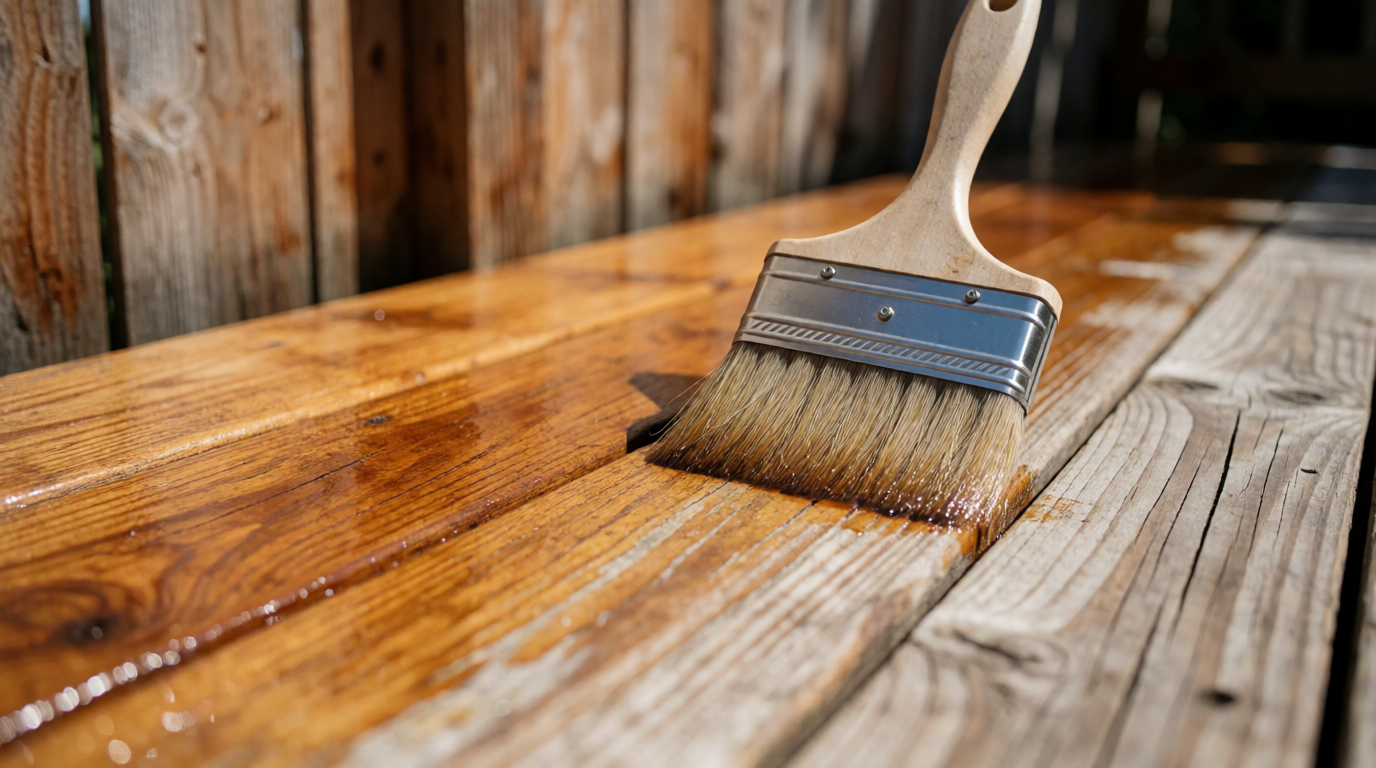
Unlike paint, which forms a film on top of the wood, penetrating stains infuse the fibers. This means that as the wood naturally weathers, the stain doesn't peel or flake. By using pigments specifically designed for high-UV environments, homeowners can maintain a rich, consistent look without the need for frequent sanding. According to Benjamin Moore, the use of translucent stains allows the natural beauty of the wood grain to show through while providing the necessary chemical barriers to prevent fading.
Increased Property Appraisal Value
Curb appeal in Clayton is heavily influenced by the condition of the perimeter fencing and outdoor living spaces. A freshly stained, deep-toned fence signals to potential buyers that the home has been meticulously maintained. In the competitive Bay Area real estate market, a well-maintained exterior can add thousands of dollars to the final sale price. We often see this effect when working with house painters in Niles Fremont, CA, where a cohesive exterior palette transforms the home's perception.
💡
Key Takeaway
Professional staining is a long-term investment that prevents the costly replacement of wood structures by blocking UV rays and moisture penetration at the cellular level.
| Feature | Traditional Painting | Cheap DIY Sealant | World Pro Painting Approach |
|---|---|---|---|
| Adhesion | Surface film; prone to peeling | Thin layer; fades quickly | Deep penetration into fibers |
| Maintenance | Requires full sanding to redo | Needs yearly reapplication | Easy to refresh every 3-5 years |
| Protection | Blocks air; can trap moisture | Minimal UV protection | Maximum UV & moisture shield |
| Lifespan | 2-4 years (peeling) | 1 year (fading) | 5-8 years (with maintenance) |
Real-World Examples of Wood Restoration in the East Bay
To illustrate the impact of professional staining, consider a recent project we completed for a homeowner in the heart of Clayton. The property featured a massive redwood deck that had been neglected for four years. The wood was severely oxidized, showing deep grey streaks and significant checking across the main planks. The homeowner had previously tried a "strip-and-stain" kit from a local hardware store, which left blotchy patches and an uneven finish.
Our team began with a professional-grade sodium percarbonate cleaner to lift the grey oxidation without damaging the wood fibers. After the wood dried, we performed a light sanding to open the pores. We applied a semi-transparent cedar-toned penetrating oil. The result was a 100% recovery of the wood's natural warmth, and the structural integrity was preserved, saving the client an estimated $12,000 in potential board replacements. This is the same meticulous attention to detail we bring to house painting in Mission San Jose Fremont, CA.
Another example involved a perimeter fence in a newer Clayton development where the HOA required a specific mahogany finish. The fence was constructed of pressure-treated pine, which is notoriously difficult to stain because of the chemical preservatives in the wood. Most contractors simply spray the stain on, which leads to runoff and drips. We used a back-brushing technique, ensuring the stain was worked into the grain of every single picket. This ensured that the finish would not peel under the intense summer heat, providing a uniform look that met all HOA guidelines and increased the home's curb appeal by a visible margin.
How to Get Started with Professional Staining in Clayton
Achieving a flawless finish requires a systematic approach. Many homeowners believe that staining is simply "painting with a different product," but the chemistry is entirely different. If you apply stain to wood that is too wet or too dirty, it will fail to penetrate, leading to premature peeling. For those coordinating larger renovations, we recommend integrating this into your Bay Area project guide to ensure timing aligns with the local weather patterns.
Step 1: Deep Surface Cleansing
We begin by removing all organic growth, algae, and accumulated grime. We use professional-grade cleaners that break down the biological bonds of mold and mildew without bleaching the wood. This step is non-negotiable; any stain applied over mold will simply peel off within months. We then use a controlled-pressure wash to remove the debris without "furring" the wood (raising the grain), which can happen if a DIYer uses too much pressure.
Step 2: Mechanical Preparation and Sanding
Once the wood is clean and dry, we identify any "dead" wood fibers. We use orbital sanders to smooth out rough patches and open the wood pores. This allows the stain to penetrate deeper into the heartwood. In my experience, skipping the sanding phase is the primary reason DIY projects fail in the Bay Area. The wood must be "thirsty" to accept the oil-based pigments.
Step 3: Selecting the Right Stain Type
We consult with the homeowner to choose between transparent, semi-transparent, and solid stains. For most Clayton homes, we recommend semi-transparent stains because they offer the best balance of UV protection and natural beauty. We prioritize high-solids content products from industry leaders like Sherwin-Williams to ensure the longest possible wear cycle.
Step 4: Precision Application
Using a combination of spraying and back-brushing, we apply the stain. Back-brushing is the process of using a brush to push the stain into the wood immediately after spraying. This eliminates lap marks and ensures an even distribution of pigment. This level of craftsmanship is what separates us from generic contractors and is why we are trusted for commercial painting in Cabrillo Fremont, CA.
Step 5: Curing and Final Inspection
We monitor the drying times carefully, as the high humidity of certain Clayton mornings can affect the cure rate. We perform a final walkthrough to ensure there are no drips or uncoated areas, providing a 6-year guarantee on our workmanship to give the homeowner total peace of mind.
Common Objections to Professional Staining and the Data-Backed Truth
Many homeowners hesitate to hire a professional due to the perceived cost. However, the data suggests that the "cheap" route is actually the most expensive. Most people assume that a $50 gallon of sealant from a home improvement store is sufficient. In reality, those products often contain high levels of wax and film-formers that seal the surface but don't penetrate the wood. When these films fail, they trap moisture underneath, which accelerates rot.
Another common objection is the belief that staining is a "one-and-done" process. The truth is that all exterior wood finishes eventually degrade. However, the difference lies in the maintenance. A professional oil-based stain can be refreshed with a simple cleaning and a light re-coat every few years without the need for sanding. Conversely, a cheap acrylic paint requires a full, labor-intensive strip-and-sand every time it peels. According to the California Contractors State License Board (CSLB), hiring a licensed contractor (like CSLB #1142478) ensures that the products used are compliant with local environmental regulations and professional standards.
Finally, some argue that they can simply use a pressure washer to "clean" the wood instead of staining it. While pressure washing removes dirt, it does nothing to protect the wood from UV rays. An unstained deck in Clayton will experience significant cellular breakdown within two years, leading to a loss of structural integrity. The investment in professional staining is essentially an insurance policy against the total collapse of your outdoor living space.
Frequently Asked Questions
How often should I have my deck or fence stained in Clayton, CA?
Depending on the exposure to the sun and the type of stain used, most decks in the East Bay should be refreshed every 3 to 5 years. Semi-transparent oil stains typically last longer than clear sealers but require a periodic "refresh" coat to maintain UV protection. If you notice the wood is starting to look grey or water no longer beads on the surface, it is time for a professional inspection. Waiting until the wood is severely cracked can increase the cost of the project significantly, as more intensive sanding and repair work will be required to achieve a smooth finish.
What is the difference between staining and painting a deck?
Staining is a penetrating process where the pigment and oil soak into the wood fibers, whereas painting creates a solid film on the surface. Painting provides a complete color change and high UV blockage, but it is prone to peeling and cracking as the wood expands and contracts. Staining is generally preferred for decks and fences because it allows the wood to breathe and age naturally without the unsightly peeling associated with paint. For those who want a bold color without the peeling risk, we recommend a solid-color stain, which offers the look of paint with the benefits of a penetrating sealant.
Can you stain a deck that has already been painted?
Yes, but it requires a rigorous preparation process. To move from paint to stain, the existing paint must be completely removed using a combination of chemical strippers and mechanical sanding. You cannot simply apply stain over paint, as the stain will not be able to penetrate the sealed surface and will simply peel off. This is a labor-intensive process, but it is the only way to restore the natural look of the wood. We specialize in this type of restoration, ensuring that every trace of the old film is removed before the new penetrating oil is applied.
Which is better for Clayton's climate: oil-based or water-based stains?
In my professional opinion, oil-based penetrating stains are far superior for the Clayton and wider Bay Area climate. Oil penetrates deeper into the wood and provides a more durable hydrophobic barrier against moisture. Water-based stains often sit on the surface and, while they may be easier to clean up, they tend to peel more quickly under the intense California sun. Oil-based products also offer a more natural finish and are much easier to maintain over time, as they don't require the aggressive sanding that water-based films often do during a re-coat.
Do I need to worry about lead paint when staining an old fence?
If your home was built before 1978, there is a significant possibility that previous layers of paint contain lead. According to the Environmental Protection Agency (EPA), removing lead-based paint requires specific certification (RRP Rule) to prevent toxic dust from contaminating the soil and air. At World Pro Painting, we are fully licensed and aware of these safety protocols. We always test older surfaces before beginning the stripping process to ensure the safety of your family and the environment, adhering to all state and federal guidelines.
Final Thoughts on Deck and Fence Staining in Clayton, CA
Maintaining your outdoor wood structures is a constant battle against the elements. From the drying heat of the East Bay summers to the dampness of winter, your decks and fences are the first line of defense for your home's exterior. Choosing a professional approach to deck and fence staining in Clayton, CA ensures that you aren't just adding a layer of color, but are actively preserving the structural integrity of your investment. By avoiding the common pitfalls of DIY sealants and focusing on deep penetration and UV protection, you can ensure your home remains beautiful and durable for years to come.
Whether you are looking to restore an aged redwood deck or protect a brand-new fence, the precision of a licensed contractor is irreplaceable. If you're ready to protect your home, we invite you to schedule a Free On-Site Estimate. We will analyze your wood's current condition and recommend the perfect product for your specific microclimate. For more information on our full suite of services, visit World Pro Painting today.
Recommended Readings
To deepen your understanding of these topics, we recommend reading the following articles:
- Fence & Deck Staining Services
- Deck and Fence Staining in Concord, CA | Licensed Contractors
- Deck and Fence Staining in Lafayette, CA | Licensed Contractors
- Deck and Fence Staining in Pleasant Hill, CA | Licensed Experts
Commercial Painting Cost Calculator & Color Guide
Get an instant estimation checklist for painting your office, warehouse, or house. Learn how to choose colors that boost productivity.