

📖This article is part of the complete guide to Exterior House Painters.
How to Master the Process of Hiring Exterior House Painters for Beginners
Many first-time homeowners in the Bay Area make the mistake of choosing a contractor based solely on the lowest bid, only to find their paint peeling within two years due to the region's intense UV exposure and coastal salt air. To successfully navigate the process of hiring exterior house painters for beginners, you must shift your focus from the final price tag to the preparation phase, specifically the five-step sequence of power washing, scraping, sanding, caulking, and priming. A professional result is not achieved through the application of paint, but through the meticulous preparation of the substrate, ensuring the coating adheres permanently to the surface.
For those managing larger properties, understanding the nuances of how to use California Bay Area painting standards is the difference between a 10-year finish and a 3-year failure. In my experience working with hundreds of homeowners from San Francisco to San Jose, the most successful projects start with a detailed scope of work that specifies exactly which brand of paint will be used and how many coats will be applied to each surface.

What Should Beginners Know About Professional Exterior Painting?
The fundamental concept beginners must grasp is that exterior painting is a protective coating system, not just a cosmetic change. When you engage professional exterior house painters, you are paying for a barrier that shields your home's structural integrity from moisture infiltration, wood rot, and termite vulnerabilities.
📚
Definition
Substrate refers to the underlying surface—such as wood, stucco, or fiber cement—that is being painted. The condition of the substrate determines whether the paint will bond or flake.
In the California Bay Area, the environment is particularly aggressive. Homes in coastal cities like Pacifica or San Francisco deal with high humidity and salt spray, while inland homes in the Tri-Valley area face extreme heat and UV radiation. Because of this, a "standard" paint job isn't enough. You need high-performance acrylics or elastomeric coatings that can expand and contract with the temperature shifts. According to the Painting Contractors Association (PCA), proper surface preparation accounts for nearly 75% of the total longevity of an exterior paint job. If a contractor skips the sanding or priming phase to save time, they are essentially painting over a ticking time bomb.
When reviewing bids, a beginner should look for a detailed breakdown of materials. I often see "cheap" quotes that list generic paint. However, professional results require industry-standard products. For example, using Sherwin-Williams Emerald Rain refresh or Benjamin Moore Aura exterior paints provides a level of pigment density and UV resistance that budget paints cannot match. If a contractor isn't specifying the product line, they are likely cutting corners.
Why Does Proper Exterior Preparation Actually Matter?
The stakes of exterior painting go far beyond aesthetics; it is a critical component of home maintenance and asset protection. A failure in the paint film allows water to penetrate the siding, leading to dry rot, mold growth, and structural instability. For many, this becomes a costly disaster that could have been avoided with a professional approach.
Data from the Environmental Protection Agency (EPA) indicates that in older homes, particularly those built before 1978, the presence of lead-based paint requires specialized certification (RRP) for removal. Hiring an uncertified beginner or an unlicensed "handyman" to scrape old paint is not just a quality risk; it is a legal and health liability. Professional exterior house painters for beginners should always verify that their contractor is CSLB licensed and lead-certified if the home is a historic Victorian in San Francisco or an older ranch in Oakland.
Furthermore, the financial impact is significant. A high-quality paint job increases a home's curb appeal and market value. Real estate trends in the Bay Area suggest that a fresh, professional exterior can increase a home's perceived value by 3% to 5%. When you consider the cost of a full exterior repaint, the ROI is realized not just in sale price, but in the avoidance of structural repairs. If you are managing a larger complex, such as those requiring Multi-Family Painters in Weibel - Fremont, CA, the scale of potential water damage makes professional preparation non-negotiable.
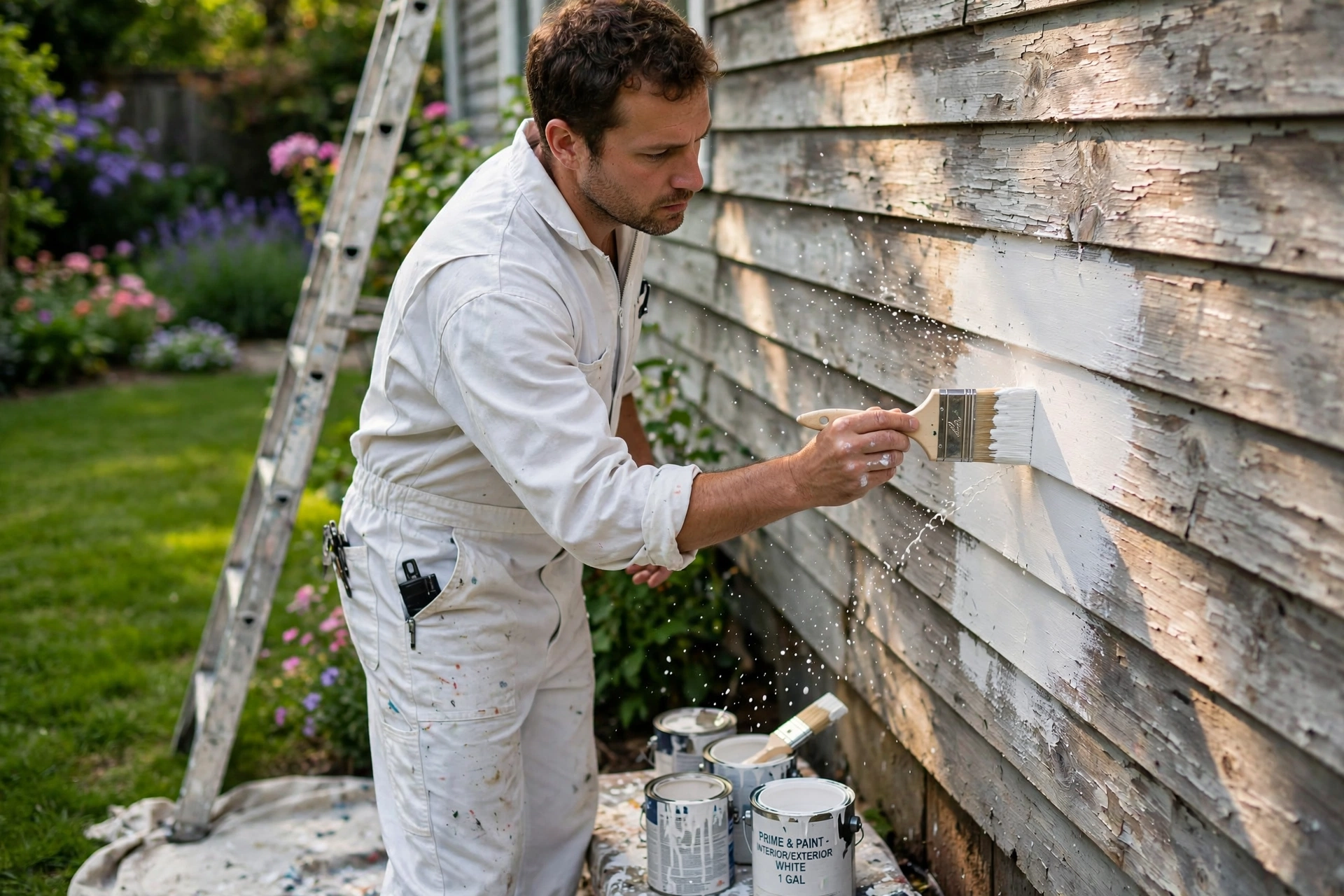
The consequence of neglecting these standards is "alligatoring" or "peeling," where the paint lifts in sheets. This happens when paint is applied to a damp surface or over a low-quality primer. The mistake I made early on in my career—and that I see constantly with DIY attempts—is trusting a "quick" power wash without following up with a detailed manual scrape. Water alone cannot remove oxidized paint; only physical abrasion can create the "profile" necessary for the new paint to grip.
Practical Step-by-Step Guide to Hiring and Managing the Process
If you are new to this, the process can feel overwhelming. The goal is to move from "guessing" to "specifying." Here is the professional roadmap for executing a successful exterior project.
Step 1: The Assessment and Scope of Work
Do not accept a quote that says "Paint house - $5,000." Demand a scope of work. This document should list every surface to be painted, the method of preparation (e.g., "pressure wash with TSP substitute"), the type of primer used on bare wood, and the specific paint brand and sheen. For those in Newark, for example, you might reference a complete guide for exterior painting in Lakeside to understand local climate requirements.
Step 2: Vetting the Contractor
Verify the license via the California Contractors State License Board (CSLB). A license is not a guarantee of quality, but the lack of one is a guarantee of risk. Ask for a portfolio of work specifically within your microclimate. A painter who only works in the valley may not understand the specific needs of a coastal home.
Step 3: The Preparation Phase (The 5-Step Rule)
Ensure your contractor follows these steps in order:
- Power Washing: Removing dirt, mildew, and chalking.
- Scraping: Removing all loose, flaking paint.
- Sanding: Smoothing the edges between the bare wood and the existing paint (feathering).
- Caulking: Sealing gaps around windows, doors, and trim with high-quality elastomeric caulk to prevent water entry.
- Priming: Applying a spot primer to all raw wood or stained areas.
Step 4: Paint Application
The paint should be applied using a combination of spraying (for speed and coverage) and "back-rolling" (where a painter rolls over the sprayed paint to push it into the pores of the material). This hybrid method is the gold standard for professional durability.
Step 5: Final Walkthrough and Touch-ups
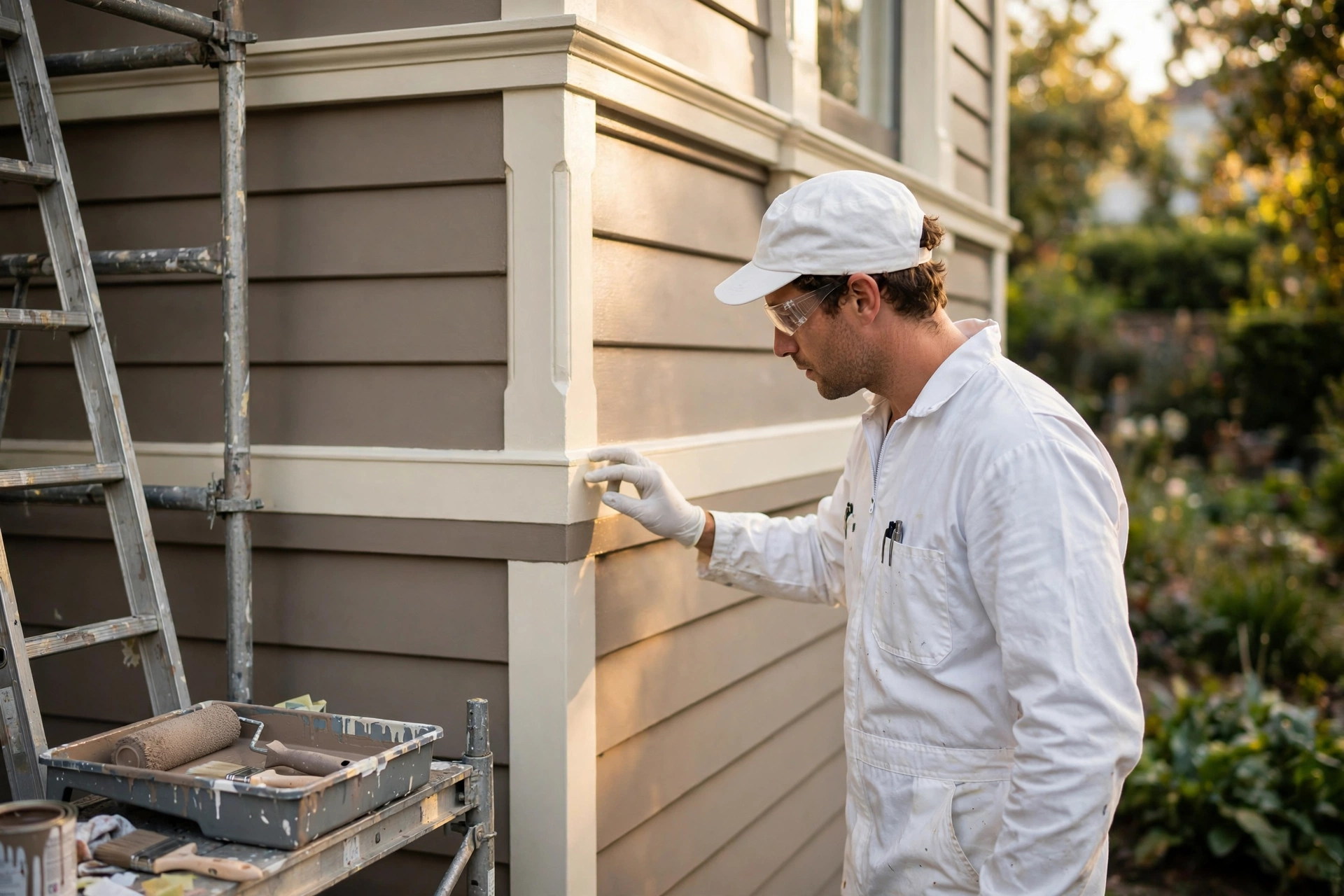
Inspect the "cut lines" (where two colors meet) and check for "holidays" (missed spots). Ensure that all hardware, such as light fixtures and house numbers, has been re-installed correctly.
💡
Key Takeaway
The quality of your paint job is decided during the preparation phase, not the painting phase. If a contractor spends more time scraping and caulking than actually painting, you have hired a professional.
For those who prefer a turnkey solution, World Pro Painting handles this entire five-step process with a 6-year guarantee, removing the guesswork for beginners. Whether you need commercial painting in Cabrillo - Fremont, CA or a simple residential refresh, the process remains the same: preparation is everything.
Comparing Your Options: DIY vs. Budget vs. Professional
Many beginners struggle to decide whether to tackle the project themselves or hire a professional. The decision usually comes down to a trade-off between immediate cost and long-term value.
| Feature | DIY Approach | Budget Contractor | Professional (World Pro Painting) |
|---|---|---|---|
| Prep Work | Minimal/Basic | Rapid/Surface-level | Comprehensive 5-Step Process |
| Materials | Big-box store generic | Lowest cost available | Premium (Sherwin-Williams/Ben Moore) |
| Longevity | 2-4 Years | 3-5 Years | 7-10+ Years |
| Risk | High (Ladders/Lead) | Moderate (Poor bond) | Low (Licensed/Bonded/Insured) |
| Best For | Small touch-ups | Rental properties (short-term) | Primary residences & High-value assets |
Here's the thing though: the "Budget Contractor" is often the most expensive option in the long run. When a low-cost job fails in three years, you don't just pay for the paint again; you pay for the labor to scrape off the failed paint, which is significantly more expensive and time-consuming than the original preparation.
Now, here's where it gets interesting: many homeowners believe that "spraying" is a shortcut. In reality, professional airless sprayers allow for a more uniform application than brushes, provided they are backed up with rollers. The "budget" option usually sprays without back-rolling, which leads to a thin film that peels under the Bay Area sun.
Common Questions and Misconceptions
Most guides get this wrong by suggesting that the "best" paint is the one with the highest price tag. In reality, the best paint is the one matched to the substrate and the climate.
Myth 1: "A power wash is enough preparation."
This is a dangerous misconception. While power washing removes surface grime, it does not remove "dead" paint that has lost its bond to the house. If you paint over oxidized or peeling paint, the new layer will simply pull the old layer off the wall. True professionals spend days on manual scraping and sanding before a single drop of paint is applied.
Myth 2: "More coats of paint always mean a better job."
Quality is not about quantity; it's about film thickness (mils). Applying four coats of cheap paint is inferior to two coats of a high-solids premium paint. Over-applying paint can lead to "sagging" or "curtaining," where the paint runs down the wall and creates unsightly ridges.
Myth 3: "I can just paint over any crack with paint."
Paint is not a sealant; it is a coating. If you have a gap in your trim, painting over it simply creates a "bridge" that will eventually crack as the house shifts. This is why professional caulking is essential. You must seal the gap with an elastomeric sealant first, then paint over the sealant.
Myth 4: "The cheapest bid is the safest way to save money."
As mentioned, the "cheap" bid often excludes the most critical steps. If a bid doesn't mention priming or sanding, the contractor is planning to skip them. I've seen countless projects in Birch Grove - Newark, CA where homeowners spent 30% more on a professional and saved thousands in avoided repairs over the next decade.
Frequently Asked Questions
How do I know if my exterior paint is failing?
You can identify failing paint by looking for "chalking," where a powdery residue comes off on your hand when you touch the wall. Other signs include "alligatoring" (cracks that look like reptile skin), peeling, or bubbling. In the Bay Area, pay close attention to the north side of your home, as these areas are more prone to mildew and moisture retention, which accelerates paint failure. If you see bare wood exposed, your home is currently vulnerable to water intrusion.
What is the best time of year to paint my house in the Bay Area?
While painting can be done year-round, the ideal window is late spring through early autumn. You need a balance of humidity and temperature; painting in extreme heat (like a Livermore August) can cause the paint to dry too quickly, leading to lap marks. Conversely, painting during a foggy San Francisco January can prevent the paint from curing properly. A professional will monitor the "dew point" to ensure the surface is dry enough for the paint to bond.
Do I really need a primer if I'm using a "Paint and Primer in One" product?
For a professional-grade job, the answer is almost always yes. While self-priming paints are convenient for interior touch-ups, they are rarely sufficient for exterior substrates. A dedicated primer—especially an oil-based primer for tannin-rich woods like redwood or cedar—prevents "bleed-through" and provides a chemical bond that "paint and primer" hybrids cannot achieve. For complex projects, such as those handled by Multi-Family Painters in Mission San Jose - Fremont, CA, dedicated priming is the only way to ensure consistency across multiple units.
How does the California Bay Area climate affect paint choice?
The region's diverse microclimates require different strategies. Coastal homes need high-grade acrylics with added mildewcides to fight the salt and damp. Inland homes require paints with superior UV inhibitors to prevent fading under the intense sun. Additionally, many Bay Area homeowners must adhere to strict HOA guidelines regarding color palettes. A professional contractor will help you navigate these regulations while selecting a product that can withstand your specific zip code's weather patterns.
Why is there such a wide range in pricing for exterior painting?
The price difference usually reflects the level of preparation and the quality of materials. A low bid typically indicates "spray and go" service with minimal scraping and budget paint. A premium bid, like those from World Pro Painting, includes a rigorous 5-step prep process, premium materials from brands like Sherwin-Williams, and a comprehensive warranty. You are paying for the labor-intensive hours spent sanding and caulking, which are the only things that guarantee the paint will stay on the wall.
Final Thoughts on Exterior House Painters for Beginners
Navigating the world of home improvement can be daunting, but the secret to success is simple: prioritize the process over the price. When searching for exterior house painters for beginners, remember that the most important part of the job happens before the paint cans are even opened. By insisting on a detailed scope of work, verifying CSLB licensure, and ensuring a strict 5-step preparation sequence, you protect your most valuable asset from the harsh elements of the California Bay Area.
Whether you are refreshing a Victorian in San Francisco or managing a large complex with Multi-Family Painters in Niles - Fremont, CA, quality is a result of precision and professional-grade materials. Don't leave your home's protection to chance or "budget" shortcuts.
If you're ready to secure a finish that lasts, skip the guesswork and trust the experts. Visit World Pro Painting today to schedule your free on-site estimate and experience the difference that expert preparation makes.
Bay Area Service Locations & Featured Guides
Explore our licensed painting services across the San Francisco Bay Area:
- Exterior House Painters in Walnut Creek, CA
- Exterior Painting Contractors in Alameda, CA
- Exterior House Painting in San Anselmo, CA
- Luxury Estate & House Painters in Atherton, CA
- Professional House Painters in Belmont, CA
Commercial Painting Cost Calculator & Color Guide
Get an instant estimation checklist for painting your office, warehouse, or house. Learn how to choose colors that boost productivity.