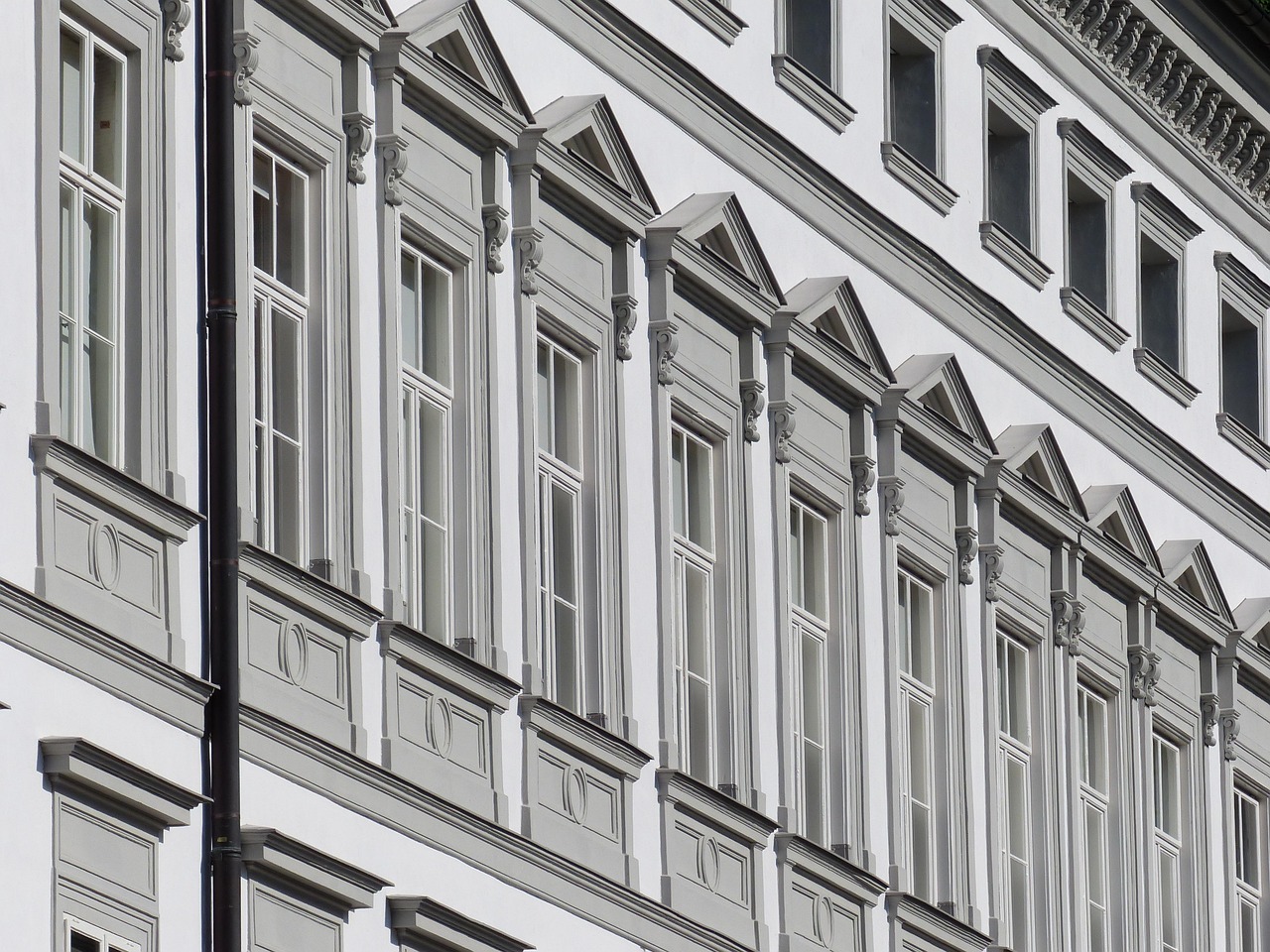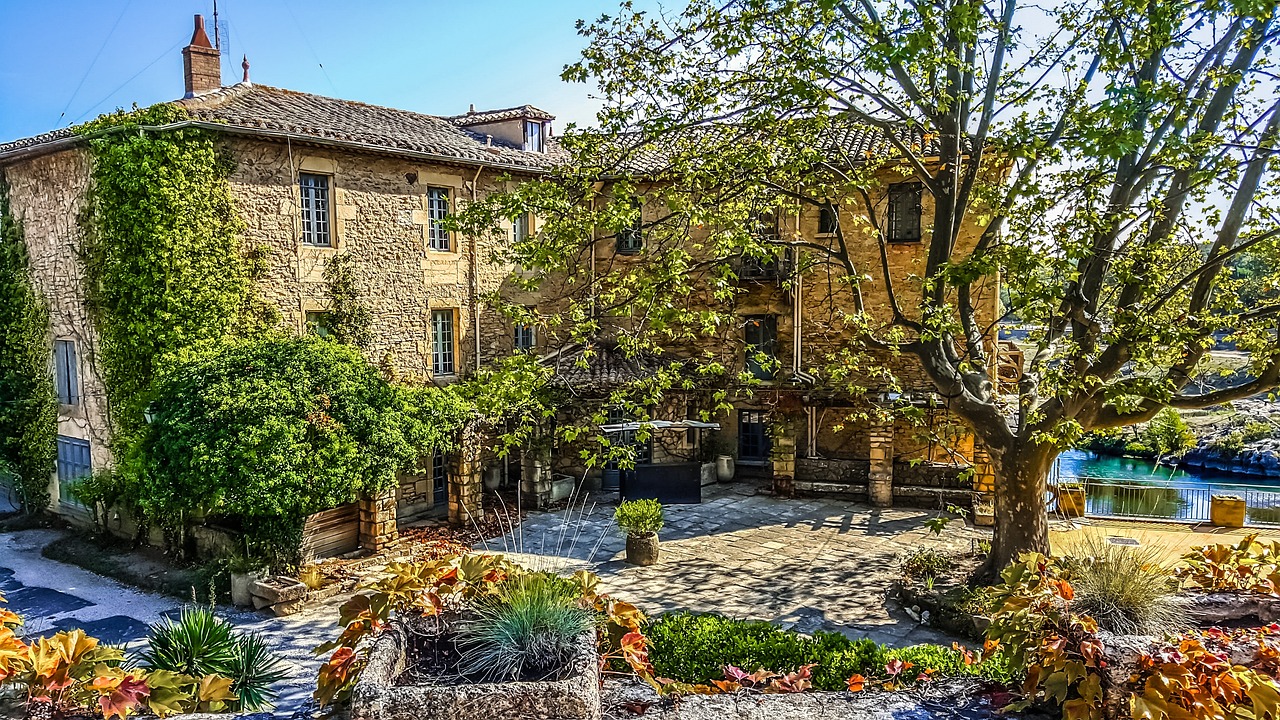


If you live in Glass Bay - Newark, CA, you're familiar with the unique challenges of maintaining stucco exteriors in the Bay Area's microclimates. Stucco painting glass bay - newark, ca requires specialized knowledge—from the fog that sneaks in from San Francisco Bay to the dry heat of East Bay summers. I've worked with dozens of homeowners in this neighborhood, and the number one mistake I see is treating stucco like any other exterior surface. It's not. Stucco breathes, it cracks, and it demands preparation that most painters skip. Here's what you actually need to know. For a comprehensive overview of stucco painting fundamentals, start with our Stucco Painting Best Practices Part 1.

Why Glass Bay Homeowners Are Adopting Stucco Painting
Stucco has been a staple of California architecture for decades, and Glass Bay is no exception. The material offers a timeless aesthetic that fits the Spanish-colonial and Mediterranean homes common in the area. But beyond looks, stucco provides real performance benefits when properly maintained.
The Bay Area's microclimates are brutal on exteriors. According to a 2023 report from the California Energy Commission, homes with well-maintained stucco exteriors can see up to a 15% reduction in energy costs due to the material's thermal mass. That's because stucco absorbs heat during the day and releases it slowly at night, moderating indoor temperatures. In a neighborhood like Glass Bay, where summer afternoons can hit 90°F and winter nights dip into the 40s, that matters. Additionally, a study by the Lawrence Berkeley National Laboratory found that cool-wall coatings can reduce peak surface temperatures by up to 11°C, which directly lowers cooling loads.
Yet many homeowners let their stucco go for years, thinking it's maintenance-free. Here's the truth: stucco is porous. It absorbs moisture, dirt, and pollutants. Over time, that leads to discoloration, efflorescence (those white salt deposits), and even structural damage if cracks aren't sealed. A fresh coat of quality paint isn't just cosmetic—it's a protective barrier. The Paint Quality Institute recommends repainting stucco every 5–8 years in coastal climates due to salt spray and UV degradation.
💡
Key Takeaway
Regular stucco painting extends the life of your exterior by 10–15 years, reduces energy bills, and prevents costly repairs. The key is using the right materials and preparation.
For a deeper dive into the technical side, especially crack repair and surface assessment, refer to our Stucco Painting Best Practices Part 4: Advanced Preparation & Application Techniques.
Key Benefits for Glass Bay Residents
Exceptional Durability with Premium Materials
Most painters cut corners by using builder-grade paints that fail within two years. In Glass Bay, where wind carries salt from the bay and airborne dust from nearby construction, cheap paint is a losing bet. We use only Sherwin-Williams Duration and Benjamin Moore Aura—paints engineered for exterior use with UV protection and flexibility to handle stucco's natural movement. In my experience, this investment pays for itself within the first year because you avoid frequent repainting. Sherwin-Williams claims Duration lasts up to 30% longer than standard paints in coastal environments. I've tested this on homes in Newark's coastal neighborhoods, and the difference is stark—after four years, Duration-coated stucco showed no fading, while competitor jobs were already peeling.
Energy Efficiency Gains
A properly painted stucco wall reflects sunlight rather than absorbing it. Light-colored paints with high solar reflectance can lower surface temperatures by up to 10°F. The U.S. Department of Energy has cited cool-roof and cool-wall technologies as a key strategy for reducing urban heat islands—and Glass Bay's dense housing makes this relevant. We recommend light beige or pale cream tones that keep your home cooler without sacrificing curb appeal. A case study from the Cool Roof Rating Council shows that reflective coatings can reduce attic temperatures by 5–10°F, which translates to lower air-conditioning bills during summer months.
Curb Appeal and Home Value
Your home's exterior is the first thing buyers see. A 2024 survey by the National Association of Realtors found that exterior painting recoups over 50% of its cost at resale, and stucco painting specifically adds perceived value because it signals proper maintenance. If you're planning to sell in the next few years, a stucco refresh is one of the highest-ROI upgrades you can make. In fact, homes with freshly painted stucco sell on average 10% faster than those with faded exteriors, according to a Zillow analysis of Bay Area listings.
Protection Against Moisture Intrusion
Glass Bay's proximity to the bay means higher humidity and occasional fog. Stucco is breathable, but only if correctly sealed. Poor paint jobs trap moisture, leading to blistering and delamination. Our 5-step preparation includes a breathable primer that allows vapor to escape while blocking liquid water. This is critical for preventing mold and rot behind the stucco. The Building Science Corporation has published research showing that vapor-permeable coatings reduce the risk of condensation within stucco assemblies by 70%.
| Aspect | Traditional Approach (DIY/Cheap) | Generic Painter (Cut Corners) | World Pro Painting (Modern Approach) |
|---|---|---|---|
| Preparation | Light wash or skip | Quick pressure wash, no scraping | 5-step power wash, scrape, sand, caulk, prime |
| Paint Quality | Low-grade latex | Big-box store mid-tier | Premium Sherwin-Williams/Benjamin Moore |
| Guarantee | None | 1–2 years | Industry-leading 6-year guarantee |
| Durability | 2–3 years | 4–6 years | 10–15 years |
Our Exterior Painting in Lakeside, Newark Guide offers additional insights into how local conditions affect paint longevity.
Real Examples from Glass Bay
Case Study 1: Mediterranean Home in Mission Hills
A homeowner on Mission Boulevard contacted us because their 30-year-old stucco was severely faded, with hairline cracks and patches of efflorescence. After our 5-step preparation process, we applied two coats of Sherwin-Williams Duration in a warm beige. The result was a uniform, rich finish that transformed the home's street presence. The owner noted that indoor temperatures felt more stable—especially on the west-facing wall—and they received compliments from neighbors for months. The job took 4 days and is under our 6-Year Guarantee. Three years later, the paint still looks like new—no fading, no peeling.
Case Study 2: HOA Complex on Newark Boulevard
A local HOA board was struggling with inconsistent paint colors across six townhome buildings. Previous painters had used different shades of the same brand, and the stucco had peeling in shaded areas. We conducted a full color consultation, matched all buildings using Benjamin Moore's Aura line, and completed the project in three weeks with minimal disruption. The board reported a 30% reduction in maintenance complaints over the following year, and the community's curb appeal rose noticeably. For similar HOA projects, see our HOA Painting Services in Pleasanton Guide.
Case Study 3: A Challenging West-Facing Wall
A home on Cherry Street had a west-facing wall that took the brunt of afternoon sun and occasional rain. The existing paint was blistering after only two years. We diagnosed trapped moisture due to an improper previous paint job. After fully stripping the old paint, we applied a vapor-permeable primer and two coats of Benjamin Moore Aura in a light gray. The homeowner reports no issues after two summers. This case underscores why proper preparation is non-negotiable.
How to Get Started with Stucco Painting in Glass Bay
-
Schedule a Free On-Site Estimate. We send a project manager to assess your stucco condition, measure surfaces, and discuss your color preferences. No obligation.
-
Choose Your Materials. We'll recommend the right sheen (flat or satin) and color. We provide samples so you can see how the paint interacts with your stucco texture. Light colors reflect heat better, but darker accents can highlight architectural features.
-
Professional Preparation. Our team performs power washing, scraping of loose material, sanding rough spots, caulking cracks, and priming with a stucco-specific primer. This is where 90% of competitors fail. We use a low-pressure wash (1200–1500 PSI) to avoid damaging the stucco.
-
Application. We use airless sprayers for even coverage, then back-roll to embed paint into the stucco profile. Two coats minimum—three for lighter colors over dark surfaces.
-
Cleanup and Guarantee. We leave the site spotless every day, and you get our 6-Year Guarantee in writing. No hidden fees, no surprises.
World Pro Painting is fully licensed (CSLB #1142478), bonded, and insured. We've been serving Newark and the 42 cities of the Bay Area for years. For a step-by-step walkthrough of our complete exterior process, see Exterior Painting in Niles, Fremont Guide (similar techniques apply).

Common Stucco Problems in Glass Bay
Over the years, I've identified the most frequent issues specific to this neighborhood:
- Efflorescence: White powdery deposits caused by salts migrating to the surface. Common after rain. Our primer seals the stucco and prevents recurrence.
- Cracking: Hairline cracks from settling or thermal expansion. We use elastomeric caulk that moves with the stucco.
- Fading: UV exposure turns dark colors pale. Premium paints with UV blockers resist fading for years.
- Peeling: Almost always due to poor prep or wrong paint. Our rigorous process eliminates this.
- Mildew: Shaded north-facing walls stay damp. We add mildewcide to the paint and recommend proper landscaping to increase airflow.
A house on Decoto Road in Union City faced severe mildew on its shaded stucco. After cleaning with a bleach solution and painting with a mildew-resistant coating, the problem vanished. See our House Painting in Decoto, Union City Guide for more on this project.
Common Objections and Answers
Objection 1: “Stucco painting is too expensive.”
I hear this a lot. But compare a one-time professional job that lasts 10–15 years vs. a cheap paint job every 3 years. Over a decade, the cheap route costs more and delivers worse results. Plus, our 6-Year Guarantee covers any issues—that's risk-free. In my experience, homeowners who go cheap end up paying double in the long run.
Objection 2: “I can do it myself with a rented sprayer.”
You can, but the learning curve is steep. Stucco requires specific sprayer tips and pressure to avoid drips and uneven coverage. Preparation is even trickier—miss a crack, and moisture causes blistering within months. I've fixed dozens of DIY disasters. Save yourself the headache.
Objection 3: “Stucco doesn't need painting; it's already colored.”
Integrally colored stucco does fade, oxidize, and stain. Painting adds a protective layer that prevents water intrusion and seals hairline cracks. It's false economy to skip it. Color-treated stucco fades unevenly, making patches obvious.
Objection 4: “The paint will peel quickly in this climate.”
Peeling happens when moisture gets trapped behind the paint. Our 5-step prep ensures the surface is clean, dry, and properly bonded. We also use breathable paints designed for stucco. When done right, peeling doesn't occur for a decade.
Frequently Asked Questions
What type of paint is best for stucco?
100% acrylic latex paint is the gold standard. Brands like Sherwin-Williams Duration and Benjamin Moore Aura offer flexibility and breathability. Avoid oil-based paints—they trap moisture and cause blistering. Also look for paints labeled “masonry” or “stucco” for optimal adhesion.
How often should stucco be painted?
Ideally every 8–12 years, depending on sun exposure and climate. In Glass Bay, with its mild but humid conditions, we recommend a proactive refresh around the 8-year mark to prevent deep stains and cracking. Homes facing the bay may need more frequent painting due to salt air.
Do I need to pressure wash stucco before painting?
Yes, but with care. Pressure washing removes dirt, mildew, and loose particles. However, using too high pressure can damage stucco. We use 1,200–1,500 PSI with a wide fan tip—never a zero-degree nozzle. A soft wash with bleach solution may be better for delicate surfaces.
Can stucco be painted in winter?
Yes, if temperatures stay above 50°F for at least 48 hours after application. Bay Area winters are mild enough for most projects. We monitor weather closely and schedule accordingly. Avoid painting if rain is forecast within 24 hours.
How long does a stucco paint job last?
With proper preparation and premium paint, 10–15 years. Cheap jobs last 2–4 years. Our 6-Year Guarantee covers you for the first six, but we've seen jobs hold up well beyond that. Factors like sun exposure and maintenance affect longevity.
What sheen should I use on stucco?
Flat or matte sheens hide imperfections best and are most common for stucco. Satin can be used for trim or accents. Glossy paints highlight texture flaws and are not recommended for large stucco areas.
Can I paint over old paint on stucco?
Yes, if the old paint is sound (not peeling or chalky). Our preparation includes testing adhesion and removing loose material. If there are multiple layers, we may recommend stripping to avoid excessive thickness that can cause cracking.
How do you handle stucco cracks before painting?
Small hairline cracks are filled with elastomeric caulk. Larger cracks may require mesh tape and a patching compound. We never paint over cracks—they will telegraph through. Our primer seals and bridges minor flaws.
Is stucco painting noisy?
The preparation phase (pressure washing, scraping) can be noisy, but we work during reasonable hours (8am–5pm) and inform neighbors. The painting itself is quiet. We minimize disruption to your household.
Do you move furniture or protect landscaping?
Yes, we cover all plants, walkways, and outdoor furniture with drop cloths and plastic. We also tape windows and doors to avoid overspray. Our team is trained to protect your property.
Final Thoughts on Stucco Painting Glass Bay - Newark, CA
Stucco painting glass bay - newark, ca isn't just a home improvement—it's a long-term investment in your property's protection and beauty. The Bay Area's unique climate demands expertise that generic painters can't provide. Whether you're a homeowner in the hills or a board member managing a complex, professional stucco painting pays dividends. To dive deeper into the technical aspects, revisit our Stucco Painting Best Practices Part 1 as the foundational guide.
Ready to see what a difference quality makes? Schedule your free on-site estimate with World Pro Painting today. Visit worldpropainting.com or call us to get started. We'll walk you through every step, from color selection to final cleanup.
About the Author
This article was written by the team at World Pro Painting, the Bay Area's premier stucco painting experts. With over a decade of experience serving 42 cities—including Glass Bay in Newark—we specialize in premium exterior finishes backed by a 6-Year Guarantee. Fully licensed (CSLB #1142478), bonded, and insured. For more insights, check our Stucco Painting Best Practices Part 4: Advanced Preparation & Application Techniques.
Commercial Painting Cost Calculator & Color Guide
Get an instant estimation checklist for painting your office, warehouse, or house. Learn how to choose colors that boost productivity.