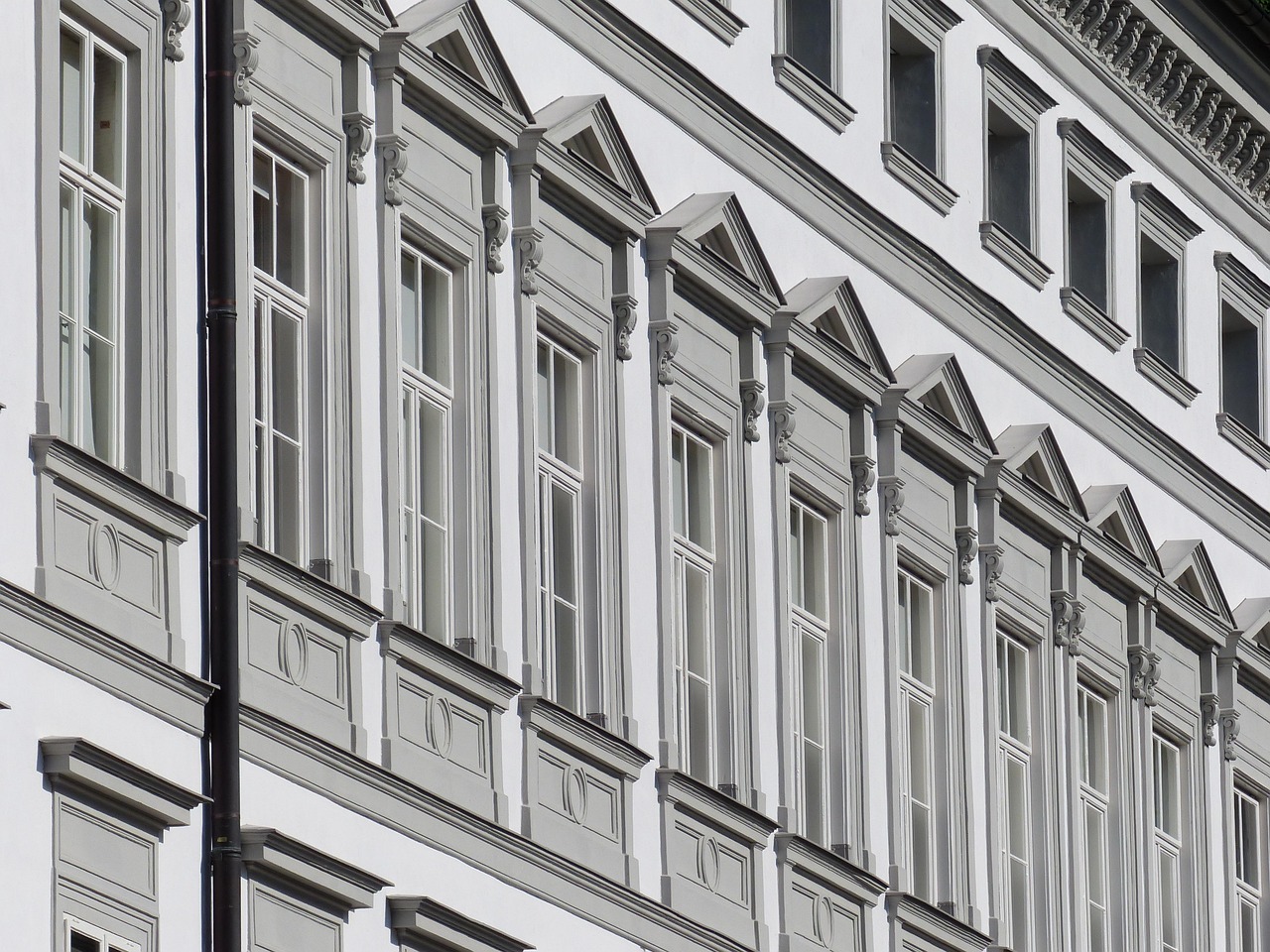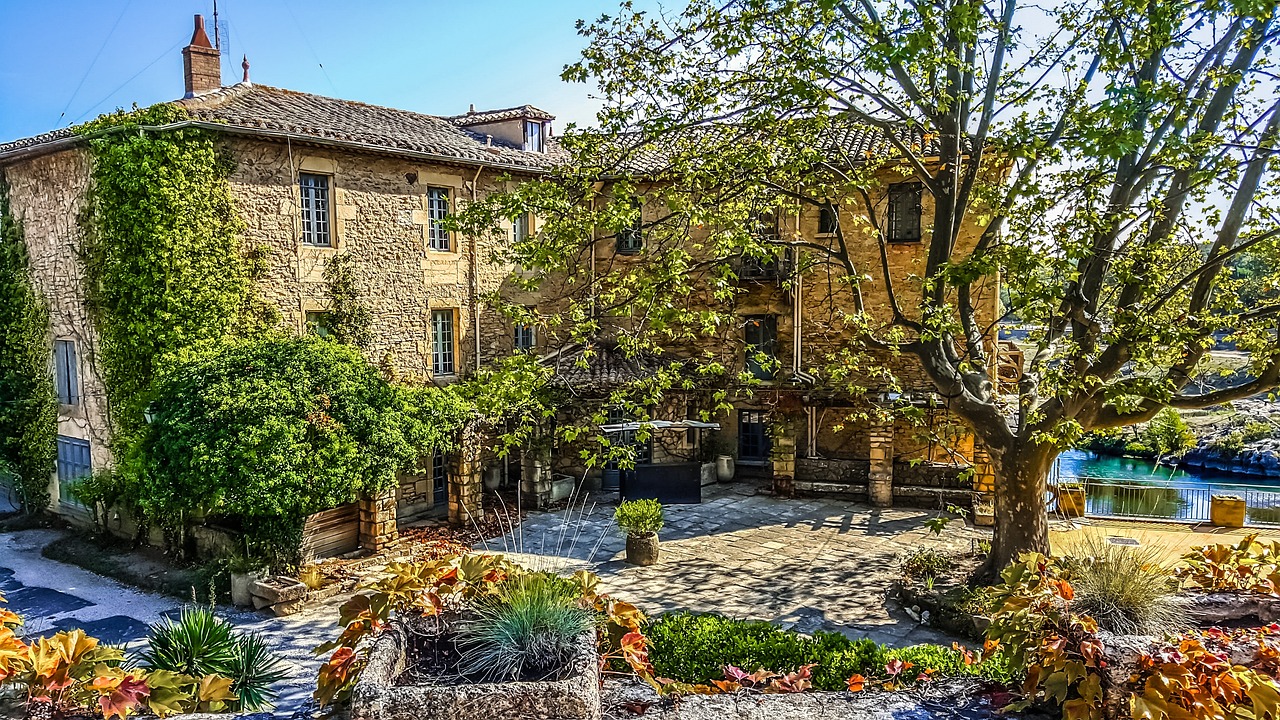


With over 40% of Bay Area homes built before 1980, many stucco exteriors in Mission San Jose are overdue for a refresh. The region's unique microclimate—from foggy mornings near the bay to scorching afternoons in the hills—takes a toll on stucco. Cracks, efflorescence, and fading aren't just cosmetic; they signal moisture intrusion that can lead to costly structural damage. In my experience working with homeowners across Fremont, I've seen too many DIY stucco paint jobs fail within two years because the prep work was skipped. This guide lays out exactly what you need to know to get it right the first time.
For a comprehensive overview of stucco painting best practices, see our Stucco Painting Guide. If you're in a nearby neighborhood, check out our guide on Stucco Painting in Niles, Fremont.
What Is Stucco Painting and Why Is It Different?
📚
Definition
Stucco painting is the process of applying a protective and decorative coating to exterior stucco surfaces. Unlike standard house painting, stucco requires specialized preparation to ensure adhesion and moisture management.
Stucco is a porous cement-based material that expands and contracts with temperature changes. Without proper sealing, it absorbs water, leading to efflorescence (white salt deposits), mold, and freeze-thaw damage in winter. Professional stucco painting involves a meticulous 5-step preparation: power washing to remove dirt and loose paint, scraping failing areas, sanding rough spots, caulking cracks and joints, and applying a bonding primer. Only then can a high-quality elastomeric paint be applied. This process ensures the finish lasts 8-12 years even in challenging climates.
Mission San Jose's mix of historic and modern homes demands a tailored approach. Older stucco may need crack repair and stabilization, while newer homes might require a fresh color update. Understanding the substrate condition is critical—that's why professional assessment is essential.

Why Does Stucco Painting Matter for Mission San Jose Homeowners?
The National Association of Realtors reported in 2025 that fresh exterior paint can increase a home's value by up to 5%. In Mission San Jose's competitive real estate market (median home price over $1.5 million), that's a potential $75,000 boost. But the benefits go beyond resale. According to a 2024 study by the Paint Quality Institute, properly painted stucco extends the life of the substrate by 10-15 years by preventing water infiltration. Furthermore, a 2024 report from the California Energy Commission found that reflective elastomeric coatings can reduce cooling costs by up to 20% in inland areas. As Mission San Jose experiences hotter summers, energy efficiency is a growing concern.
Protection from moisture also prevents health issues. The Centers for Disease Control and Prevention (CDC) notes that mold in buildings can cause respiratory problems. By sealing stucco with a breathable yet water-resistant coating, professional painters reduce the risk of mold growth behind walls. This is especially important for hillside homes in Mission San Jose that face fog and sprinkler overspray.
A study by the California Department of Public Health found that moisture intrusion is a leading cause of indoor air quality problems. Proper stucco painting acts as a barrier, keeping your home healthy and comfortable.
How to Prepare Your Stucco for Painting
Proper preparation is 80% of a successful stucco paint job. Here are the steps we use at World Pro Painting:
- Inspect and Repair: Walk the entire surface, marking cracks, chips, and efflorescence. Use a flexible masonry caulk for cracks wider than 1/16 inch. Let it cure fully.
- Power Wash: Use a pressure washer with a wide fan tip at 1500-2000 PSI to remove dirt, mildew, and loose paint. Allow 24 hours to dry.
- Scrape and Sand: Manually scrape any remaining loose paint and sand rough areas to feather edges. Stucco is abrasive, so wear gloves and a mask.
- Caulk and Seal: Apply high-quality elastomeric caulk around windows, doors, and expansion joints. This prevents future water entry.
- Prime: Use a masonry bonding primer (like Sherwin-Williams Loxon or Benjamin Moore Fresh Start) to seal porous stucco and ensure topcoat adhesion.
- Paint: Apply two coats of a premium 100% acrylic or elastomeric paint. Use a roller for texture and back-brush for even coverage.
Attention to drying times between coats is critical—low temperatures or high humidity can ruin the finish. Our Exterior Painting in Pacifica, CA guide covers these conditions in detail.
Common Mistakes to Avoid
In my years of experience, I've seen homeowners and even some contractors make these errors:
- Skipping the primer: Without a bonding primer, the new paint may peel within a year. Stucco is alkaline and can chemically react with paint; primer neutralizes this.
- Painting over mildew: Mildew must be killed with a bleach solution and rinsed before painting. Otherwise, it will grow through the new paint.
- Using the wrong paint: Standard house paint lacks the flexibility needed for stucco. Always use 100% acrylic or elastomeric formulas designed for masonry.
- Painting in direct sun: The paint dries too quickly, leading to poor adhesion and lap marks. Schedule painting for cloudy days or early morning.
- Ignoring cracks: Even hairline cracks allow water behind the paint. Fill them with elastomeric caulk before priming.
Avoiding these mistakes can save you thousands in premature repainting. For more insights, see our Stucco Painting in Glenmoor - Fremont, CA guide.
Stucco Painting vs. Other Exterior Finishes
| Aspect | Stucco Painting | Wood Siding | Vinyl Siding |
|---|---|---|---|
| Lifespan of finish | 8-12 years | 3-5 years | 10-15 years (factory color) |
| Protection against moisture | Excellent with proper prep | Moderate (requires stain) | Good (inherently waterproof) |
| Maintenance | Periodic repainting | Frequent staining/painting | Power washing only |
| Curb appeal | High, authentic texture | Classic but prone to rot | Moderate, limited color |
| Cost per year | Low ($500-$700) | Moderate ($700-$1,000) | Low (no paint) |
While vinyl siding requires less maintenance, it cannot match the aesthetic of stucco and may not be allowed in historic districts like those in Mission San Jose. Stucco painting offers the best balance of durability, beauty, and property value appreciation.
Best Practices for Professional Stucco Painting
💡
Key Takeaway
The single biggest factor in a successful stucco paint job is surface preparation. Never skip the priming step—it's essential for adhesion and moisture control.
Based on my experience overseeing hundreds of stucco projects, these practices separate lasting results from premature failure:
- Use only 100% acrylic or elastomeric paints. These breathe while blocking water. Avoid vinyl-acrylic blends.
- Apply paint in the right weather. Ideal temperature is 50-85°F with low humidity. Avoid painting in direct sun or during fog.
- Allow proper cure time. After power washing, wait 48 hours if humidity is high. Primer and paint need 24 hours between coats.
- Don't ignore minor cracks. Seal them with a flexible caulk; otherwise, moisture will wick behind the paint and cause peeling.
- Test for adhesion. Before painting over old paint, do a tape test. If paint lifts, strip it completely.
- Hire licensed professionals. A licensed contractor (like World Pro Painting, CSLB #1142478) ensures compliance with building codes and safety standards.
For more on advanced techniques, see Stucco Painting in Kimber-Gomes – Fremont, CA and Stucco Painting in Ponderosa Cove - Union City, CA.
Additional Considerations for Mission San Jose Homes
Mission San Jose is known for its historic district and hillside properties. Many homes have stucco that was applied decades ago and may contain asbestos in the underlying layers. If your stucco was installed before 1980, consider testing before any sanding or scraping. A professional can take a sample and send it to a lab. If asbestos is present, specialized abatement may be necessary, adding to the cost but protecting your family's health.
Another consideration is HOA restrictions. Many communities in Mission San Jose have specific color palettes and require approval before painting. Our Expert HOA Painting Services in Gilroy, CA guide provides tips on navigating these rules, though the same principles apply. We help you select colors that meet HOA standards while refreshing your home's look.
Frequently Asked Questions
How often should stucco be painted in Mission San Jose?
Typically every 8-12 years with proper preparation and premium paint. However, if you notice cracking, fading, or efflorescence, it's time to repaint. Homes near the bay may need more frequent attention due to moisture. A professional inspection can determine the current condition and optimal schedule.
What type of paint is best for stucco in Fremont's climate?
Elastomeric acrylic paints are ideal because they flex with temperature changes and resist moisture. Brands like Sherwin-Williams Duration and Benjamin Moore Aura are top choices. They have built-in mildew resistance and UV protection, which is important for homes in direct sunlight on the hillsides.
Can you paint over existing stucco paint?
Yes, but only if the existing paint is sound—no peeling or chalking. We always test adhesion by applying tape and pulling. If it fails, we strip and start fresh. Our Interior Painting in San Ramon, CA guide includes similar adhesion testing methods (adapted for exteriors). Skipping this step leads to premature peeling.
How long does a professional stucco painting project take?
For a typical 2,000 sq ft home, expect 5-7 days, including preparation and drying time. Larger homes or those needing extensive repairs may take longer. We provide a detailed timeline in our estimate, with daily cleanup and minimal disruption to your routine.
Do you offer color consultation?
Absolutely. We provide professional color consultation to ensure your choice enhances the architectural style and fits the neighborhood aesthetic. Many Mission San Jose HOAs have color restrictions; we help you select options that are both beautiful and compliant.
How do I know if my stucco needs painting or full replacement?
If the stucco has widespread cracking deeper than 1/4 inch, large chunks missing, or signs of water damage inside (stains, mold), replacement may be necessary. For minor surface issues, painting is sufficient. A free on-site estimate from World Pro Painting can assess the condition accurately.
Is stucco painting worth the investment?
Yes. According to a 2025 report from the National Association of Realtors, exterior paint yields an average return on investment of 51-75% at resale. Combined with energy savings and protection from moisture damage, stucco painting is one of the most cost-effective home improvements you can make.
Can I paint stucco myself?
While DIY is possible, the failure rate is high. Without professional equipment (e.g., power washer, sprayer) and experience in preparation, the paint often peels within two years. Hiring a licensed painter like World Pro Painting saves money in the long run by avoiding rework.
Conclusion
Your home is likely your biggest asset, and the exterior is the first thing people see. Stucco painting in Mission San Jose - Fremont, CA is an investment that pays dividends in curb appeal, protection, and resale value. Don't trust it to anyone who cuts corners. World Pro Painting has served 42 cities across the Bay Area with a commitment to quality that includes a 6-Year Guarantee. Contact us today for a free, no-obligation estimate, and see the difference that proper preparation and premium materials make.
About the Author
This article was written by the experts at World Pro Painting, a licensed and insured painting company serving Mission San Jose and the entire Bay Area. With over a decade of experience in stucco painting, we bring the highest standards of craftsmanship to every project. Our team is fully licensed (CSLB #1142478), bonded, and insured for your peace of mind.
Commercial Painting Cost Calculator & Color Guide
Get an instant estimation checklist for painting your office, warehouse, or house. Learn how to choose colors that boost productivity.