

📖This article is part of the complete guide to Exterior House Painters.
How Do Professional Exterior House Painters Transform a Property?
Walking through a neighborhood in the San Francisco Bay Area, the difference between a home that looks "maintained" and one that looks "prestigious" usually comes down to the precision of the exterior finish. Many homeowners ask what is exterior house painters' actual role beyond simply applying color to a wall, but the reality is that professional painting is a complex system of surface engineering and weatherproofing. To achieve a lasting finish in 2026, the process must follow a strict sequence: deep cleaning, substrate repair, precision priming, and the application of high-performance coatings tailored to local microclimates.
For those managing larger properties, understanding the nuances of how to use California Bay Area painting services can prevent thousands of dollars in premature peeling and wood rot. In my experience working with high-end estates from San Jose to Walnut Creek, the most common failure isn't the paint itself, but the lack of a rigorous preparation phase. A professional doesn't just paint; they seal the building envelope against the aggressive salt air of the coast and the intense UV exposure of the inland valleys.
What Exactly is the Role of Exterior House Painters?
When people inquire about what is exterior house painters' primary function, they often overlook the technical expertise required to handle different substrates. An exterior painter is essentially a surface specialist who understands the chemical interaction between a coating and a building material. Whether it is stucco, cedar siding, or Victorian-era redwood, the approach changes based on the material's porosity and expansion coefficient.
📚
Definition
Substrate is the underlying surface (such as wood, brick, or stucco) that is being painted. The compatibility between the substrate and the paint is the single most important factor in determining the lifespan of the job.
The technical scope of the work involves an understanding of "mil thickness"—the actual thickness of the paint layer once it has dried. If a layer is too thin, it offers no protection; if it is too thick, it is prone to cracking and peeling. According to the Painting Contractors Association (PCA), proper surface preparation and coating thickness are the primary drivers of coating longevity in residential environments. Professional painters use moisture meters to ensure that wood is dry enough to accept paint, preventing the "trapped moisture" effect that leads to blistering.
In the Bay Area, this expertise is particularly vital because we deal with extreme temperature swings and humidity shifts. A painter who doesn't understand the difference between a flat, satin, and semi-gloss finish in terms of moisture resistance is simply guessing. The goal is to create a non-permeable barrier that allows the house to "breathe" while keeping liquid water out. This involves using high-quality products from industry leaders like Sherwin-Williams, which provide the necessary UV inhibitors to stop the California sun from bleaching the pigments within 24 months.
Why Does Professional Exterior Painting Matter for Property Value?
The visual appeal of a home is the first data point a buyer or appraiser processes. However, the real value of professional painting lies in "preventative maintenance." A failing paint job is not just an eyesore; it is a signal that the home's structural integrity may be compromised by moisture infiltration.
When we analyze properties in the Tri-Valley area, we often see "paint failure" leading to dry rot in the fascia boards and eaves. According to data from the California Contractors State License Board (CSLB), hiring a licensed contractor ensures that the work meets state safety and quality standards, which significantly boosts the resale value during the disclosure process. A home with a documented, professional paint history often commands a premium because it indicates the owner has invested in the long-term health of the structure.
The financial impact is measurable. A professional exterior refresh can increase a home's curb appeal and perceived value by 5% to 10%, depending on the neighborhood. More importantly, it prevents the need for expensive structural repairs. If moisture penetrates the siding due to cracked paint, you aren't just paying for a new coat of paint; you are paying for carpentry to replace rotted sills and studs. This is why we emphasize a 6-year guarantee at World Pro Painting—we aren't just selling color; we are selling a protective shell.
For those overseeing housing complexes, the stakes are even higher. For instance, engaging Multi-Family Painters in Weibel - Fremont, CA allows a property manager to maintain a uniform aesthetic across dozens of units, which stabilizes rent prices and reduces tenant complaints. The scale of a multi-family project requires a level of logistical coordination and material volume that a DIY approach simply cannot handle without risking inconsistent results.
How to Execute a Professional Exterior Paint Job: Step-by-Step
Achieving a gallery-quality finish requires a systematic approach. Most homeowners believe the "painting" part is the bulk of the work, but in a professional setup, the actual application of paint is only about 30% of the total labor.
Step 1: Surface Analysis and Cleaning
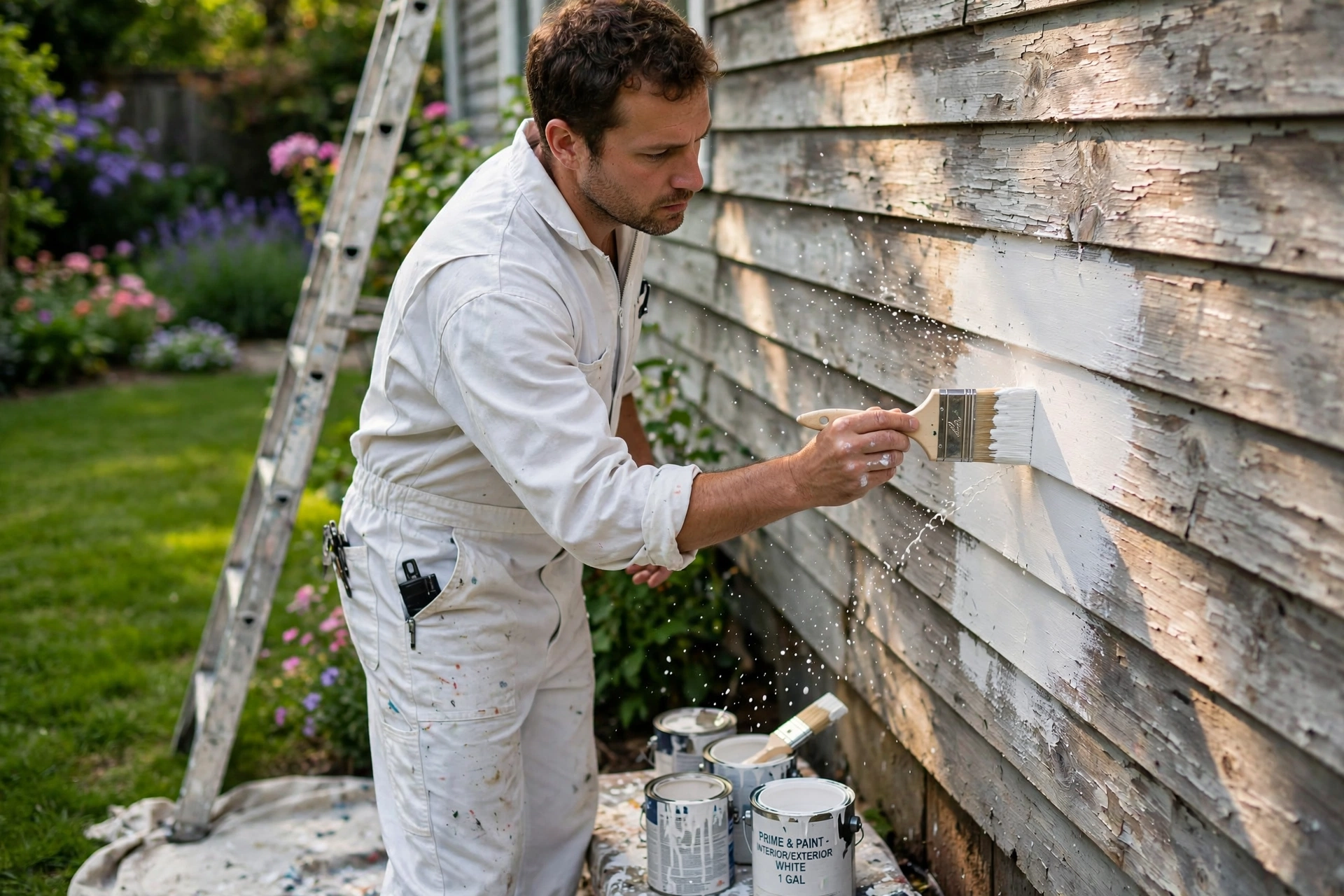
The process begins with a thorough inspection. We identify "alligatoring" (cracked paint), peeling, and mildew. Then comes the power wash. This isn't just about removing dirt; it is about removing oxidation and loose debris. If you paint over a dirty surface, you are essentially painting over a layer of dust that will eventually peel away from the wall.
Step 2: Scraping and Sanding
Every loose flake of paint must be removed. I've seen countless "budget" painters simply paint over peeling edges, which creates a textured, unprofessional look that fails within a year. We use high-grit sandpaper to feather the edges of the existing paint, ensuring a smooth transition between the old layer and the new.
Step 3: Caulking and Gap Filling
Moisture enters through gaps in the trim and around window frames. We apply high-grade elastomeric caulk to these transition points. This flexible material expands and contracts with the heat of the Bay Area summers, preventing cracks from forming.
Step 4: Priming the Substrate
Priming is the "glue" that holds the paint to the wall. We use specialized primers depending on the surface. For example, if we detect lead paint on an older San Francisco Victorian, we follow strict EPA guidelines for containment and priming to ensure safety and adhesion.
Step 5: Topcoat Application
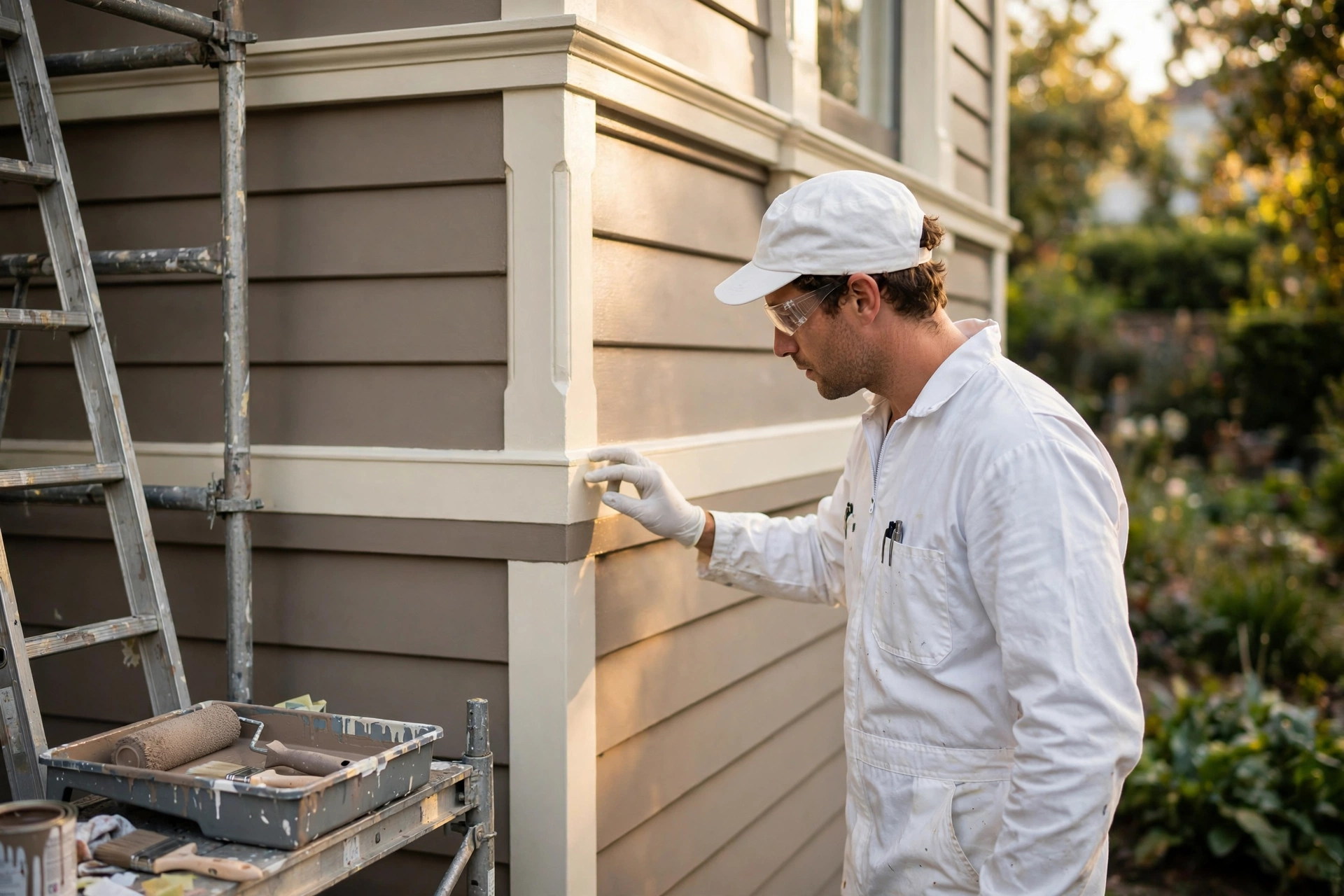
Finally, we apply two coats of premium paint. We typically use a combination of spraying for large surfaces and "back-brushing" for detailed areas to ensure the paint is worked deep into the pores of the material.
💡
Key Takeaway
The secret to a 10-year paint job isn't the brand of paint you buy, but the intensity of the preparation. If you skip the sanding or caulking phase, you are merely delaying the inevitable failure of the coating.
Whether you are looking for Exterior Painting in Lakeside, Newark, CA: for 2026 or a full commercial overhaul, the World Pro Painting method ensures that every step is documented and verified before moving to the next.

Comparing Painting Approaches: DIY vs. Budget Contractor vs. World Pro Painting
When deciding how to handle an exterior project, many homeowners fall into the trap of the "lowest bid." However, the long-term cost of a cheap job is often double the price of a professional one due to the need for early repainting.
| Feature | DIY Approach | Budget Contractor | World Pro Painting |
|---|---|---|---|
| Prep Work | Basic washing, minimal sanding | Quick spray, ignores small cracks | Full 5-step prep (wash, scrape, sand, caulk, prime) |
| Materials | Store-brand acrylics | Mid-grade paint, often diluted | Premium Benjamin Moore or Sherwin-Williams |
| Durability | 2–4 Years | 3–5 Years | 6-Year Guarantee / 10+ Year Life |
| Safety | High risk (ladders, lead) | Variable/Uninsured | Fully Licensed, Bonded, and Insured |
| Finish Quality | Visible brush marks/drips | Inconsistent coverage | Factory-smooth, precision edges |
| Best For | Very small touch-ups | Low-budget rental flips | Permanent residences & Luxury estates |
The "Budget Contractor" usually cuts corners on the priming and caulking phases to speed up the project. While the house looks great for the first six months, the lack of a proper seal means that the first heavy winter rain in the Bay Area will likely cause the paint to bubble.
Common Questions and Misconceptions About Exterior Painting
Most guides get the timing and technique wrong when it comes to California's unique climate. Here are the most common myths we encounter.
Myth 1: "The darker the paint, the faster it fades."
While it's true that dark colors absorb more heat, the fade rate is actually determined by the quality of the pigments and the UV inhibitors in the paint. A professional-grade dark charcoal from a top-tier brand will outlast a cheap, light-beige paint that lacks UV protection.
Myth 2: "You can just paint over old, peeling paint if you use a strong primer."
This is a recipe for disaster. Paint does not stick to peeling paint; it sticks to the substrate. If you prime over a loose flake, the primer simply bonds that flake to the wall, and when the flake eventually falls, it takes your new primer and topcoat with it.
Myth 3: "Power washing the day before painting is enough."
In my experience, this is one of the most frequent mistakes. If you power wash and then paint immediately, you are trapping moisture inside the wood. This leads to "outgassing" or bubbling. We always allow for a drying period to ensure the substrate moisture level is below 15% before applying any coating.
For those managing larger commercial sites, such as Commercial Painting Cabrillo - Fremont, CA 2026, these misconceptions can lead to massive losses in productivity and aesthetic appeal. The scale of these projects requires an industrial-grade approach to preparation that goes far beyond residential standards.
Frequently Asked Questions
How often should I repaint my home in the Bay Area?
Typically, a high-quality exterior paint job lasts between 7 and 10 years, but this varies based on your specific microclimate. Homes in San Francisco or Pacifica, which face constant salt air and fog, may require a refresh every 5 to 7 years to prevent corrosion. In contrast, homes in the interior valleys of Fremont or San Jose may last longer but face more significant UV degradation. The key is to perform an annual "walk-around" to check for cracks in the caulk or peeling at the base of the siding.
Why is professional exterior painting more expensive than a DIY job?
The cost difference is primarily driven by labor and material quality. A professional team spends 70% of their time on preparation—sanding, caulking, and priming—which are steps most DIYers skip. Furthermore, pros use commercial-grade equipment and paints that have higher solids content, meaning they provide better coverage and longer lifespans. When you hire World Pro Painting, you are paying for the CSLB license, the insurance that protects your property, and a 6-year guarantee that ensures you won't have to pay for the same job twice.
Does the type of house siding affect the painting process?
Absolutely. Stucco requires a different primer than cedar or redwood to prevent "efflorescence" (the migration of salts to the surface). For example, when we handle Exterior Painting in Birch Grove - Newark, CA (2026), we adjust our materials based on the specific siding found in those developments. Wood requires a flexible sealant to handle expansion, while masonry requires a breathable coating to prevent moisture from trapping inside the walls, which could lead to structural crumbling.
What is the best time of year to paint an exterior in California?
While the Bay Area allows for year-round painting, the "sweet spot" is typically late spring through early autumn. The goal is to avoid painting during periods of extreme humidity or temperature swings. Painting in the dead of winter can lead to slow drying times, while painting in the peak of a 100-degree heatwave in the East Bay can cause the paint to dry too quickly, leading to lap marks and poor adhesion. We monitor the dew point and temperature closely to ensure the paint cures perfectly.
How do I know if I have lead-based paint on my home?
Any home built before 1978 is likely to have lead-based paint. You can identify it by looking for a "chalky" residue or a specific type of cracking known as "alligatoring." However, the only sure way to know is through a professional lead test. Because lead dust is highly toxic, the removal process must be done by a certified contractor. At World Pro Painting, we follow the EPA's RRP (Renovation, Repair, and Painting) Rule to ensure that lead is contained and disposed of safely, protecting your family and the environment.
Final Thoughts on Exterior House Painters
Understanding what is exterior house painters' true value allows you to move past the "price per gallon" mindset and focus on the "cost per year" of the project. A cheap paint job that lasts three years is significantly more expensive than a professional investment that lasts a decade. By prioritizing the 5-step preparation process—power washing, scraping, sanding, caulking, and priming—you protect your home's structural integrity and maximize its market value in the competitive California real estate landscape.
Whether you need Multi-Family Painters Brookvale - Fremont, CA or a specialized refresh for a single-family home, the priority should always be the health of the substrate. Don't let a lack of preparation lead to costly rot and decay.
For a flawless, durable finish that stands up to the Bay Area's unique climate, trust the experts at World Pro Painting. We provide the precision, licensing, and long-term guarantees your property deserves.
Ready to protect your home with a professional finish?
Schedule your Free On-Site Estimate at World Pro Painting today.
Commercial Painting Cost Calculator & Color Guide
Get an instant estimation checklist for painting your office, warehouse, or house. Learn how to choose colors that boost productivity.