

📖This article is part of the complete guide to Exterior House Painters.
How Do You Know When to Replace Exterior House Painters?
I have spent years inspecting Bay Area properties, and the most common mistake I see homeowners make is waiting until the wood is rotting to realize their contractor failed them. Determining when to replace exterior house painters isn't just about a few missed spots or a drip on the siding; it is about identifying systemic failures in preparation and material application that compromise your home's structural integrity. You should replace your painting team immediately if you notice peeling paint within two years of application, a lack of proper surface priming, or a blatant disregard for California's strict environmental and safety regulations.
The process of switching contractors involves auditing the current state of your exterior, documenting failures against industry standards, and vetting a new team—like the experts at World Pro Painting—who prioritize a rigorous 5-step preparation process over a quick, cheap coat of paint. If your current painters are skipping the power washing or caulking phases, they aren't just painting your house; they are trapping moisture against your walls. For those managing larger properties, utilizing specialized Multi-Family Painters in Niles - Fremont, CA can provide the institutional oversight needed to prevent these common failures.

Understanding the Red Flags of Poor Exterior Painting
Knowing when to pivot to a new contractor requires an understanding of what "professional" actually looks like. Many homeowners assume that as long as the color looks right from the street, the job is successful. However, exterior painting is 90% preparation and 10% application. When a contractor shortcuts the prep, the finish is destined to fail regardless of the paint brand used.
📚
Definition
Paint Failure is the loss of adhesion between the paint film and the substrate, manifesting as peeling, flaking, blistering, or chalking, often caused by improper surface preparation or incompatible materials.
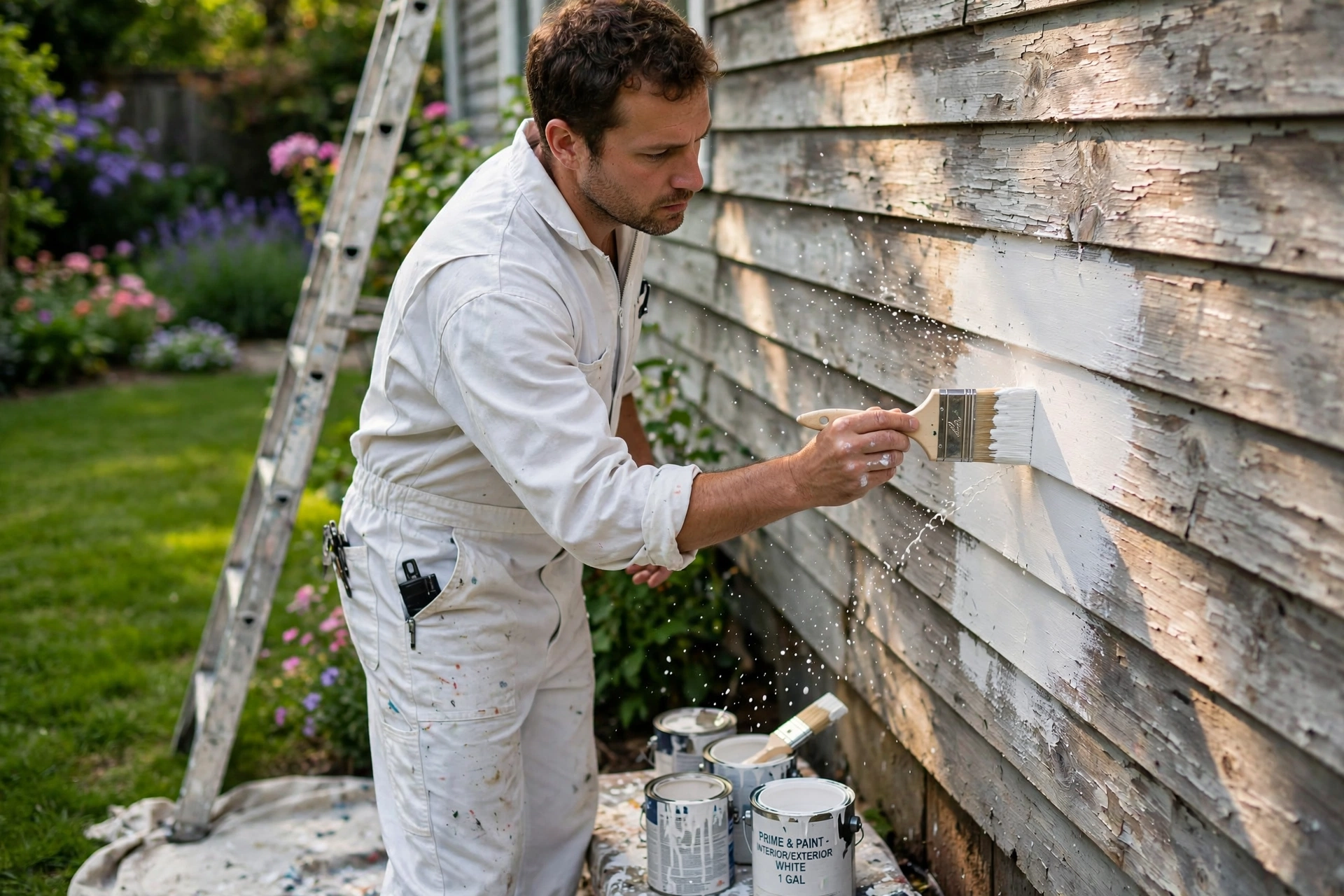
In my experience working with Victorian homes in San Francisco and modern builds in San Jose, the most telling sign of a failing contractor is "alligatoring"—where the paint cracks into a pattern resembling reptile skin. This usually happens when a non-flexible paint is applied over a softer, older layer without proper sanding. According to the Painting Contractors Association (PCA), professional standards dictate that all loose, peeling, or flaking paint must be removed to ensure a mechanical bond. If your current painter simply "painted over" the flakes, they have fundamentally failed the job.
Another critical red flag is the lack of moisture management. In the California Bay Area, we deal with extreme microclimates—from the salt air of Pacifica to the dry heat of the Tri-Valley. A contractor who doesn't adjust their primer choice based on these conditions is a liability. For instance, using a standard latex primer on a high-moisture coastal home without an elastomeric topcoat is a recipe for early failure. If your painter cannot explain why they chose a specific product for your specific zip code, it is time to look for a team that understands Exterior Painting in Lakeside, Newark, CA: A Complete Guide for 2026.
Why Contractor Quality Impacts Your Property Value
The decision of when to replace exterior house painters is often viewed as an aesthetic choice, but it is actually a financial one. Paint is the primary barrier protecting your home's substrate from UV radiation, rain, and pests. When this barrier fails due to poor craftsmanship, the cost of repair scales exponentially.
According to data from the California Contractors State License Board (CSLB), unlicensed or unqualified contractors are the leading cause of costly construction defects in residential properties. A poor paint job doesn't just look bad; it allows water to seep into the fascia and soffits, leading to dry rot and mold. Once dry rot sets in, you are no longer paying for a painter; you are paying for a carpenter to replace entire sections of your home's exterior.
The business impact is most evident during a home sale. Potential buyers and home inspectors specifically look for "lapping" (visible lines where paint overlapped) and peeling edges. A home that looks like it has been poorly maintained can result in thousands of dollars in price reductions or demands for credits during the escrow process.
Furthermore, safety compliance is a non-negotiable. If you have a home built before 1978, your contractor must follow the Environmental Protection Agency (EPA) RRP Rule for lead-based paint. If your current painters are sanding old paint without containment or HEPA vacuuming, they are exposing your family to neurotoxins. This is not just a sign that you should replace your painter; it is a legal and health emergency. For those in commercial settings, ensuring your team follows these rules is essential, as seen with Commercial Painting in Cabrillo - Fremont, CA: A 2026 Guide for Business Owners.
Practical Steps to Replace Your Painting Team
If you have identified the red flags, the transition to a new professional team must be handled systematically to avoid further damage. You cannot simply hire a new person to "paint over" the mistakes of the old one. That only hides the problem and accelerates the decay.
Step 1: The Forensic Audit
Before hiring someone new, conduct a walkthrough. Use a putty knife to gently press on areas of the paint. If it flakes off in large sheets, the adhesion has failed. Document every area of peeling, cracking, or bubbling with photos.
Step 2: Review the Contract and Warranty
Check if your previous contractor provided a written guarantee. Most "cheap" painters offer a verbal promise that disappears once the final check clears. If you have a warranty, send a formal written notice of the failure. However, be wary: some low-quality painters will "touch up" the failure with more low-quality paint, which only adds another layer of incompatibility.
Step 3: Vet for the 5-Step Prep Process
When interviewing a replacement, do not ask "Can you paint my house?" Instead, ask "Walk me through your preparation process." A professional team, like World Pro Painting, will detail these five steps:
- Power Washing: Removing dirt, mildew, and pollutants.
- Scraping/Sanding: Removing all loose material to create a "tooth" for the paint.
- Caulking: Sealing gaps in trim and siding to prevent water intrusion.
- Priming: Applying a high-quality sealer (like those from Sherwin-Williams) to ensure adhesion.
- Painting: Applying two coats of premium exterior paint.
Step 4: Verify Licensing and Insurance
Never hire a "handyman" for a full exterior job. Ensure the new team is licensed by the CSLB and carries both general liability and workers' compensation insurance. This protects you from being held liable if a worker falls from a ladder on your property.
Step 5: Schedule an On-Site Estimate
Avoid contractors who give quotes over the phone based on Zillow photos. A real expert needs to feel the substrate and see the condition of the wood. For those in the Bay Area, finding Multi-Family Painters in Mission San Jose - Fremont, CA who provide a detailed, line-item estimate is the only way to ensure transparency.
💡
Key Takeaway
Never allow a new contractor to paint over a failed previous job without first removing the failing layers. "Cover-up" painting is the fastest way to waste money and ruin your siding.

Comparing Your Contractor Options
When deciding when to replace exterior house painters, you will likely encounter three types of service providers. The choice you make determines whether your home stays protected for six years or six months.
| Feature | The "Budget" Handyman | The Generic Painting Co. | World Pro Painting Approach |
|---|---|---|---|
| Prep Work | Minimal (Quick wipe down) | Basic (Some scraping) | Comprehensive 5-Step Process |
| Materials | Lowest cost/Generic | Mid-grade | Premium (Sherwin-Williams/Benjamin Moore) |
| Timeline | Extremely fast (Too fast) | Average | Methodical and staged |
| Warranty | Verbal/None | 1-2 Years (Limited) | 6-Year Guarantee |
| Compliance | Often ignores EPA/CSLB | Varies by crew | Full CSLB License & EPA Lead-Safe |
| Best For | Interior accent walls only | Low-stakes rentals | Primary residences & high-value assets |
Now, here's where it gets interesting: the "Budget" option often looks the most attractive upfront, but the cost per year of durability is actually higher. If a budget painter charges $3,000 and the paint fails in 2 years, your cost is $1,500/year. If a professional team charges $6,000 but the finish lasts 6 years, your cost is $1,000/year—and your home was actually protected the whole time.
Common Misconceptions About Exterior Paint Failure
Most guides get this wrong by suggesting that paint failure is always the fault of the "paint brand." People believe that if they just buy the most expensive can of paint from Benjamin Moore, the job will last. This is a myth. The best paint in the world will peel in six months if it is applied to a damp or dirty surface.
Another common misconception is that "painting every few years" is the standard. In reality, a professionally executed job in the Bay Area should last 5 to 10 years depending on exposure. If you find yourself needing a full repaint every 3 years, you don't have a "weather problem"; you have a contractor problem. You should be looking at How to Use California Bay Area Painting strategies to extend the life of your finish.
Finally, many homeowners believe that "caulk fills everything." While caulking is essential, over-caulking is a disaster. If a painter seals every single ventilation gap in your siding, they are trapping moisture inside the walls. This leads to internal rot that you can't see until a board literally falls off the house. A true expert knows where to seal and where to let the house breathe.
Frequently Asked Questions
How long should exterior paint last before it starts peeling?
In the California Bay Area, a high-quality professional paint job should typically last between 5 and 10 years. However, this varies by location. Homes in coastal areas like San Francisco or Pacifica face higher salt spray and moisture, which may shorten the lifespan to 5-7 years. Homes in the inland valleys might see 8-10 years. If you see significant peeling, cracking, or "chalking" within 2 to 3 years, it is a definitive sign of improper preparation or incompatible materials, and you should seriously consider when to replace exterior house painters.
Is it normal for a new paint job to have a few bubbles?
No, bubbling (or blistering) is not normal and is a sign of a failure in the painting process. Bubbles usually occur when moisture is trapped under the paint film or when the paint was applied in direct, scorching sunlight, causing the top layer to dry too quickly and trap solvents underneath. This is often a result of poor timing or failing to let the substrate dry after power washing. If you see bubbles, the area must be scraped back to the bare wood and repainted; simply painting over a bubble will result in it popping and peeling shortly after.
Why does my paint feel chalky to the touch?
Chalking occurs when the resin in the paint breaks down due to UV exposure, leaving behind a powdery pigment. While some chalking is normal after many years, premature chalking (within 1-2 years) indicates that the contractor used a low-grade paint with insufficient UV inhibitors. This is common with "contractor grade" paints that prioritize low cost over longevity. When this happens, the paint is no longer protecting the wood, and it is time to switch to a professional team that uses premium, UV-resistant coatings.
Do I really need to power wash before painting?
Absolutely. Power washing is the foundation of any professional exterior job. It removes "chalk," mildew, dirt, and oxidized paint that would otherwise act as a barrier between the new paint and the house. If a painter tells you that power washing is "optional" or that they can just "brush off the dust," they are cutting corners. Without a clean surface, the new coat of paint is merely adhering to a layer of dirt, which will inevitably lead to large-scale peeling. For a complete look at the standard, check out Exterior Painting in Birch Grove, Newark, CA: A Complete Guide for 2026.
Can I just hire someone to paint over the peeling areas?
This is one of the most expensive mistakes a homeowner can make. Painting over peeling paint is like putting a new band-aid over a dirty wound; the problem underneath will continue to fester. The new paint will bond to the old, peeling layer, and when that old layer eventually lets go, it will take the new paint with it. Every failing area must be scraped, sanded, and primed. If a contractor offers to "spot paint" over peeling areas without removing the old paint first, they are not a professional.
Final Thoughts on When to Replace Exterior House Painters
The integrity of your home's exterior depends entirely on the quality of the hands holding the brush. When you start noticing premature peeling, ignoring safety standards, or a lack of transparency in the preparation process, you have reached the point where you must replace your exterior house painters. Do not be swayed by low bids; the cost of fixing a failed paint job is always higher than the cost of doing it right the first time.
Focus on contractors who provide a clear 5-step preparation process and a multi-year guarantee. Your home is likely your largest investment; protecting it with premium materials and expert labor is the only way to ensure long-term value. If you are tired of "quick fixes" and want a finish that stands up to the unique challenges of the California climate, we invite you to experience the World Pro Painting difference.
To secure your home's future, schedule a professional assessment today. Visit worldpropainting.com to book your Free On-Site Estimate and ensure your home is painted to the highest industry standards.
Bay Area Service Locations & Featured Guides
Explore our licensed painting services across the San Francisco Bay Area:
- Exterior House Painters in Walnut Creek, CA
- Exterior Painting Contractors in Alameda, CA
- Exterior House Painting in San Anselmo, CA
- Luxury Estate & House Painters in Atherton, CA
- Professional House Painters in Belmont, CA
Commercial Painting Cost Calculator & Color Guide
Get an instant estimation checklist for painting your office, warehouse, or house. Learn how to choose colors that boost productivity.