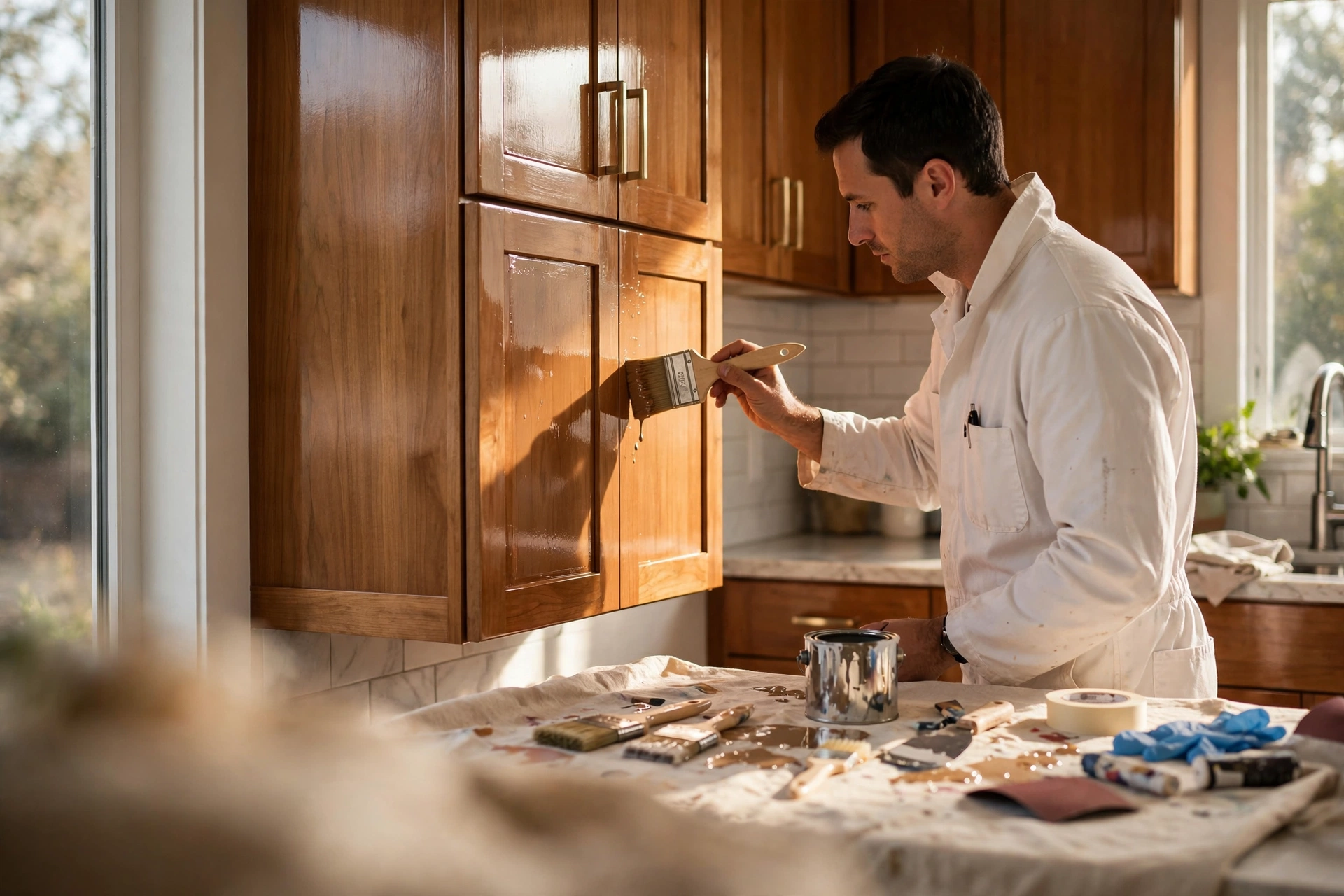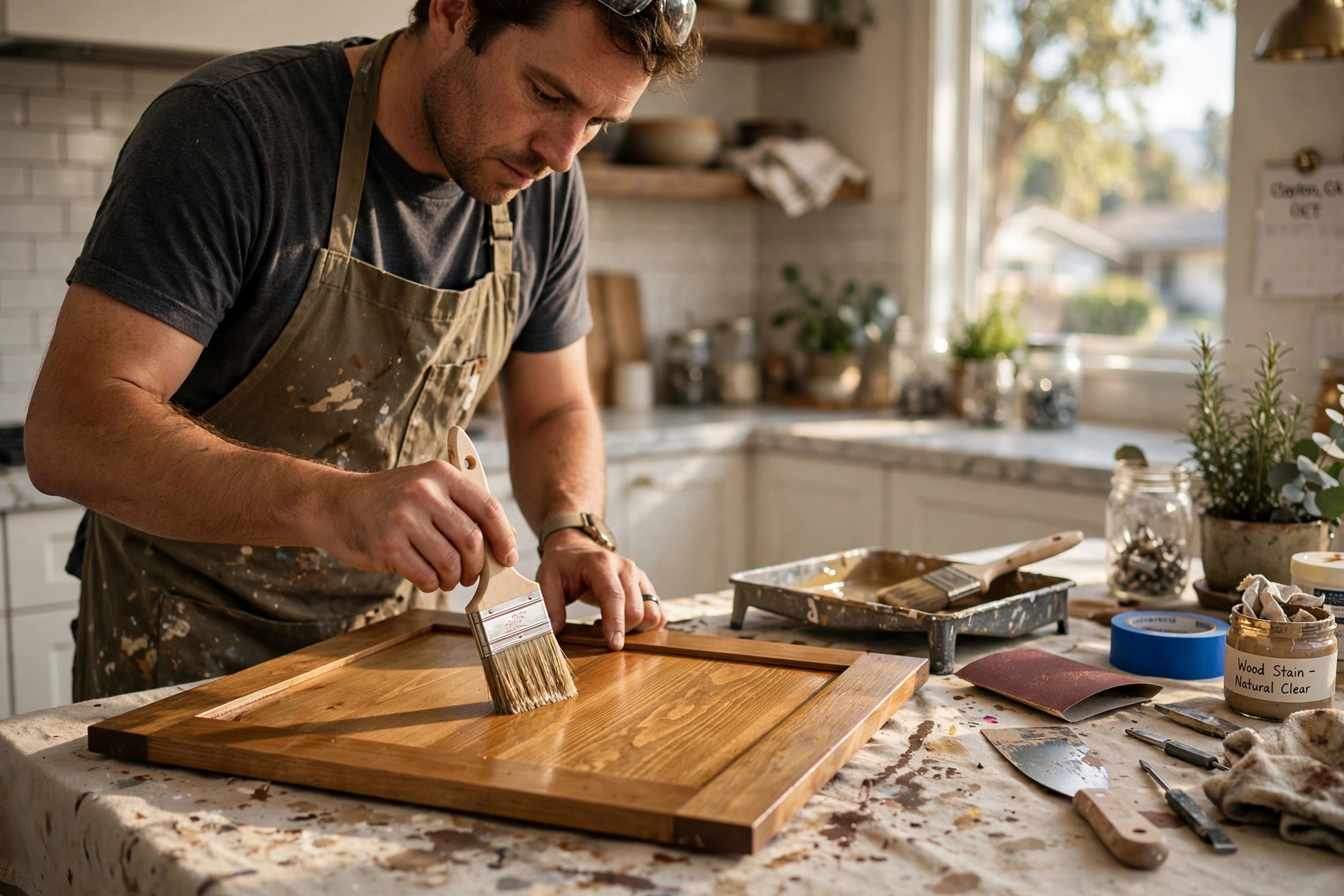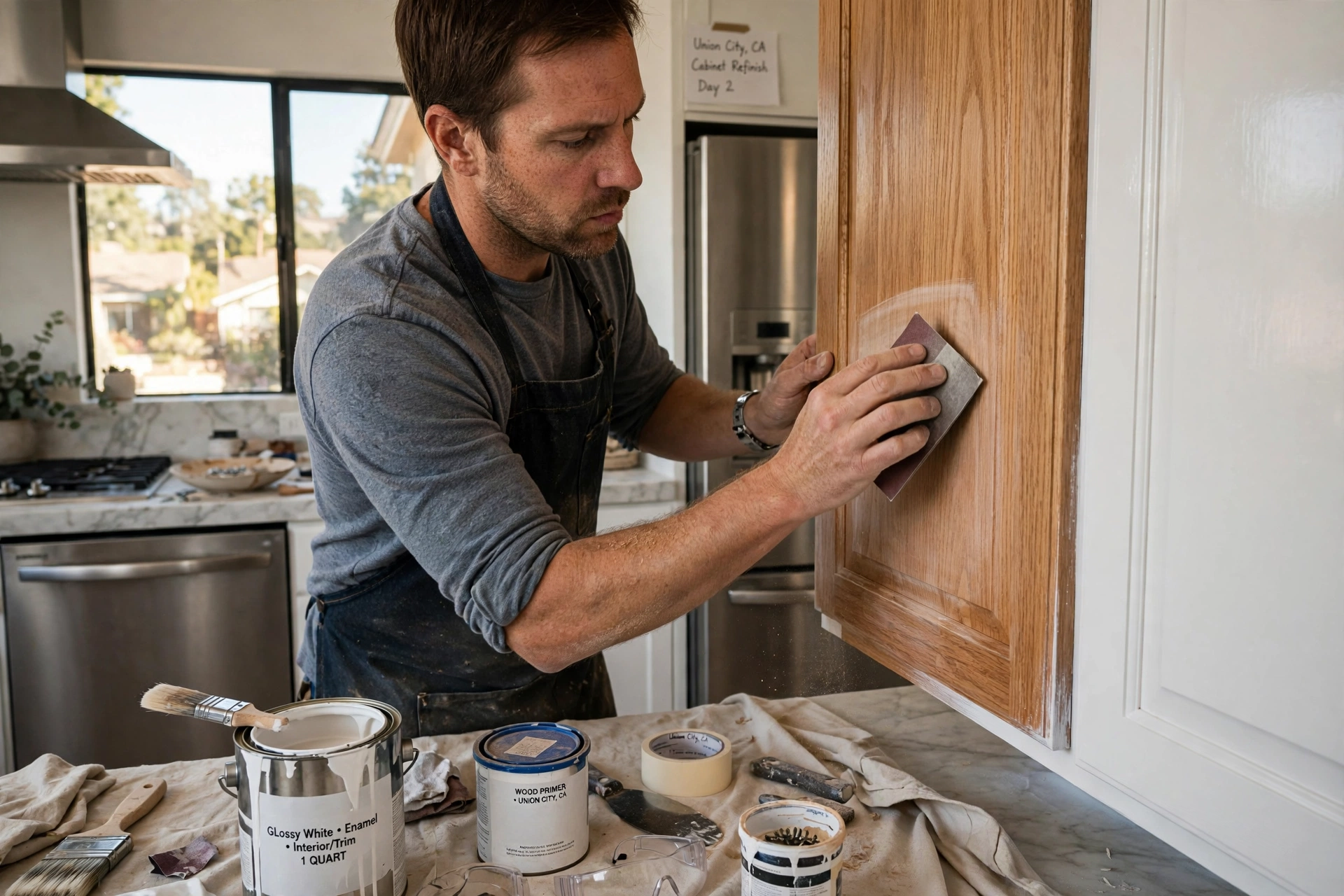


Cabinet refinishing can transform your kitchen or bathroom without the cost and mess of full replacement. But the difference between a finish that lasts a decade and one that peels within months comes down to advanced techniques. In this cabinet refinishing best practices part 2, we move beyond basic steps and dive into the details that separate furniture-grade results from amateur work. Drawing on decades of experience across the California Bay Area, World Pro Painting shares the methods that deliver durability and beauty. For a complete overview, see our complete guide to cabinet refinishing best practices.

What Is Cabinet Refinishing Best Practices Part 2?
📚
Definition
Cabinet refinishing best practices part 2 refers to the advanced techniques, material selections, and preparation methods that elevate a refinishing project from acceptable to exceptional. It builds on foundational knowledge and focuses on the details that deliver a durable, professional-grade finish.
While Part 1 covered basic cleaning, sanding, and painting, this guide addresses the nuances: proper deglossing, grain filling, choosing between water‑based and oil‑based primers, and how to avoid brush marks. According to a study by the National Association of Home Builders (NAHB), properly refinished cabinets can last 10–15 years with correct maintenance, while rushed work often fails within 2–3 years. In my experience working with hundreds of Bay Area homeowners, the difference almost always comes down to preparation and material quality. As interior design trends evolve, many homeowners are turning to refinishing as a cost‑effective way to update their space without a full renovation.
💡
Key Takeaway
The success of cabinet refinishing is 80% preparation and 20% application. Skipping steps like thorough degreasing or using low‑quality primers guarantees failure.
Why Advanced Prep Steps Make the Difference
Many DIYers and even some pros underestimate the importance of surface preparation. Here are the advanced steps that set World Pro Painting apart:
1. Deglossing and Adhesion Testing
Before any sanding, we test the existing finish for adhesion. Apply a small amount of denatured alcohol; if the finish softens, it’s a varnish that needs chemical stripping. If it beads, it’s a conversion varnish that requires aggressive sanding. A 2024 survey by the Painting and Decorating Contractors of America (PDCA) found that 67% of refinishing failures stem from poor adhesion due to inadequate deglossing. Using a liquid deglosser alone is risky; I always recommend a light scuff sand after chemical deglossing to ensure mechanical bonding.
2. Grain Filling for a Smooth Surface
Open‑grain woods like oak demand grain filling. Skip this step, and the final paint will telegraph the wood grain, giving a textured finish instead of a smooth one. Use a water‑based grain filler, apply with a plastic putty knife, and sand to 220 grit after drying. This is one of the cabinet refinishing best practices part 2 that separates a 10‑year finish from a 3‑year finish. For cabinets with deep grain, a second application may be necessary.
3. Priming with the Right Product
Use a stain‑blocking primer like Zinsser BIN (shellac‑based) for knotty woods or areas with tannin bleed. For most cabinets, a high‑build acrylic primer creates a uniform surface. According to consumer testing from This Old House, using a dedicated cabinet primer improves topcoat adhesion by 40% over universal primers. For more insights on material selection, see our cabinet refinishing in Campbell, CA guide.
How to Achieve Furniture‑Grade Cabinet Refinishing
Follow this step‑by‑step approach used by World Pro Painting crews across 42 Bay Area cities.
Step 1: Remove Hardware and Label Everything
Number each door and drawer on the back with painter’s tape. Use a hardware template to keep hinge screws organized—this saves hours during reassembly. A simple zip‑lock bag system per door works wonders.
Step 2: Deep Clean and Degrease
Cabinets near stoves accumulate grease that prevents adhesion. Use TSP (trisodium phosphate) or a commercial degreaser. Rinse thoroughly with water and let dry 24 hours. Don’t skip this step—grease is the number one cause of peeling paint.
Step 3: Sand with Progressive Grits
Start with 100‑grit to remove existing sheen, then 150‑grit, and finish with 220‑grit. For profile details, use sanding sponges. Always sand in the direction of the wood grain to avoid scratches. Between grits, vacuum the surface and wipe with a tack cloth.
Step 4: Priming
Apply two thin coats of primer using a high‑density foam roller for flat surfaces and a synthetic bristle brush for corners. Lightly sand between coats with 320‑grit for a glass‑smooth finish. Allow each coat to dry according to manufacturer instructions.
Step 5: Topcoat Application
Use a cabinet‑grade paint like Sherwin‑Williams Emerald Urethane or Benjamin Moore Advance. These self‑leveling paints minimize brush marks. Apply with a microfiber roller for flats and a high‑quality angled brush for edges. Thin coats are key—three thin coats outperform one thick coat. For a truly seamless finish, consider using an HVLP sprayer; however, brush‑and‑roll can yield excellent results with practice.
Step 6: Cure Time
Allow 7–14 days of cure time before normal use. Manufacturers often say 24 hours, but full hardness takes longer. Premature use leads to sticking and scratches. I once had a client who ignored this and their doors stuck shut after reassembly. Patience pays off.

Cabinet Refinishing vs. Replacement: Which Is Right for You?
| Factor | Refinishing | Replacement |
|---|---|---|
| Cost | 30–50% less | Higher |
| Timeline | 3–5 days | 2–4 weeks |
| Longevity | 10–15 years | 20+ years |
| Eco‑friendliness | Lower waste | Landfill contribution |
| Custom color | Unlimited | Limited to stock |
| Disruption | Minimal | Major |
| Structural change | No | Yes (layout changes) |
Refinishing is ideal when cabinet boxes are structurally sound and you’re happy with the layout. If you need different storage configurations or the boxes are water‑damaged, replacement may be necessary. According to the National Kitchen and Bath Association (NKBA), refinishing remains popular among homeowners who want to update their space without the disruption of a full remodel. For a comprehensive comparison, read our cabinet refinishing in Richmond, CA guide.
Best Practices for a Flawless Finish
- Control Environment – Paint in a dust‑free area with temperatures between 60–80°F. Use a portable air filter if possible. Humidity below 50% prevents blushing.
- Invest in Quality Tools – Cheap brushes leave streaks. Use Purdy or Wooster brushes and high‑density foam rollers. Microfiber rollers provide the smoothest finish.
- Label Everything – We cannot stress this enough. One misplaced door can add an hour to reassembly.
- Practice on a Spare Board – Test your technique on a piece of melamine or hardboard before touching the cabinets.
- Use a Sprayer for Large Projects – For a truly seamless finish, an HVLP sprayer delivers uniform coverage with zero brush marks. However, it requires practice and proper ventilation. If you’re not experienced, brush‑and‑roll can still yield excellent results.
- Use a Dehumidifier – In coastal areas like the Bay Area, humidity can extend drying times. A dehumidifier speeds up the process and reduces dust settling.
- Sand Between Coats – Lightly sand with 320–400 grit between primer and topcoat coats for a silky smooth finish.
💡
Key Takeaway
The fastest way to ruin a refinishing job is rushing. Invest in proper prep, quality materials, and adequate cure time.
Common Mistakes and How to Avoid Them
- Skipping Degreasing: Grease causes paint to peel. Always use TSP.
- Using Cheap Paint: Consumer‑grade paint won't hold up to daily use. Spend the extra for urethane or alkyd.
- Not Sanding Enough: At least two grits of sanding are needed. Oversanding can round over edges—use a block.
- Painting Over Hardware: Remove hinges and knobs. Painting around them looks unprofessional and makes future removal difficult.
- Ignoring Grain Fill: For open‑grain woods, filler is non‑negotiable. Skip it and you'll see every pore.
- Applying Thick Coats: Thick paint drips and takes forever to dry. Thin coats are easier and produce a better finish.
- Not Allowing Proper Cure: As mentioned, premature use ruins the finish. Wait at least a week.
For more tips on avoiding these issues in specific areas, see our cabinet refinishing in Antioch, CA article.
Frequently Asked Questions
1. Can I refinish cabinets without sanding?
Technically, yes—with a liquid deglosser. However, sanding remains the most reliable method for adhesion. Liquid deglosser works well on glossy surfaces but may not penetrate thick varnishes. In my experience, light sanding (220 grit) is always safer. Even with a deglosser, a quick scuff sand ensures the primer bonds mechanically. For best results, sand to at least 150 grit after using a deglosser. This is one of the cabinet refinishing best practices part 2 that professionals follow consistently.
2. What type of paint is best for kitchen cabinets?
Urethane‑modified alkyds or water‑based enamels designed for cabinets. Sherwin‑Williams Emerald Urethane and Benjamin Moore Advance are top choices. These paints self‑level to minimize brush strokes and resist yellowing, scratches, and moisture. Latex paints are too soft. Oil‑based paints offer a hard finish but yellow over time and have high VOCs. Water‑based urethanes combine durability with easy cleanup. Always check the manufacturer's recommendation for cabinets.
3. How long does cabinet refinishing take?
For a typical 10‑door kitchen, plan on 3–5 days if you hire a pro. DIY can take 1–2 weeks depending on experience and drying time. The majority of time is spent on prep and curing. Quick 2‑day jobs often skip critical steps. World Pro Painting schedules projects with proper dry time between coats to ensure a furniture‑quality finish. For more on timelines, see our cabinet refinishing in Walnut Creek, CA guide.
4. Can I change the color of my cabinets with refinishing?
Absolutely. Refinishing allows you to choose any color from any brand. Going from dark to light requires more effort—multiple priming coats and possibly a tinted primer to block bleed‑through. A professional color consultation can save you from a disastrous choice. World Pro Painting offers color consultation as part of our services to help you select the perfect shade for your space. Many homeowners use interior design magazines or online tools to find inspiration.
5. How do I maintain refinished cabinets?
Clean with a soft cloth and mild soap. Avoid abrasive cleaners or scrubbing pads. Use cabinet liners to protect against spills. Reapply a clear protective topcoat every 3–5 years in high‑use areas. Fix any chips immediately to prevent moisture damage. With proper care, a professional refinish can last over a decade.
6. Is it worth hiring a professional contractor?
It depends on your skill level and time. A reputable contractor brings expertise, proper tools, and efficiency. According to a 2025 home improvement survey, 72% of homeowners who hired a pro for cabinet refinishing reported higher satisfaction with the final result. If you value a stress‑free experience and a durable finish, hiring a licensed contractor like World Pro Painting is a wise investment. We handle everything from prep to cleanup, backed by a 6‑Year Guarantee.
7. What is the cost difference between refinishing and repainting?
Refinishing typically costs 30–50% less than full replacement, but actual pricing varies. However, we never provide specific numbers online as every project is unique. We offer free on‑site estimates to give you a precise quote. Contact us to schedule an appointment.
8. Can I refinish laminate cabinets?
Yes, but it requires special preparation. Laminate surfaces are non‑porous, so adhesion is challenging. You must sand with 120 grit to create a mechanical bond, use a high‑adhesion primer (like Stix), and apply a durable topcoat. Even then, the finish may not be as durable as on wood. Many homeowners prefer to replace laminate cabinets, but refinishing is possible with careful technique.
Conclusion
Cabinet refinishing best practices part 2 emphasizes that great results come from meticulous preparation, high‑quality materials, and patience. Whether you decide to take on the project yourself or hire a pro, these advanced techniques will guide you to a durable, beautiful finish. For Bay Area homeowners who want a flawless, hassle‑free experience, World Pro Painting delivers expert execution with our 6‑Year Guarantee. We serve over 42 cities, including Fremont, San Jose, and San Francisco. Visit us at World Pro Painting to schedule your free on‑site estimate and see the difference professional refinishing can make.
Recommended Readings
To deepen your understanding of these topics, we recommend reading the following articles:
- Cabinet Refinishing & Painting
- Cabinet Refinishing in Atherton, CA
- Cabinet Refinishing in Belmont, CA
- Cabinet Refinishing in Birch Grove - Newark, CA
About the Author
World Pro Team is the (Painting Experts) at World Pro Painting. With decades of collective experience in residential and commercial painting across the California Bay Area, we specialize in high‑quality finishes that stand the test of time.
Bay Area Service Locations & Featured Guides
Explore our licensed painting services across the San Francisco Bay Area:
- Kitchen Cabinet Refinishing in Alameda, CA
- Cabinet Painting & Refinishing in Vallejo, CA
- When to Schedule Kitchen Cabinet Painting in the Bay Area
- Bay Area Kitchen Cabinet Painting & Refinishing Specialists
Commercial Painting Cost Calculator & Color Guide
Get an instant estimation checklist for painting your office, warehouse, or house. Learn how to choose colors that boost productivity.