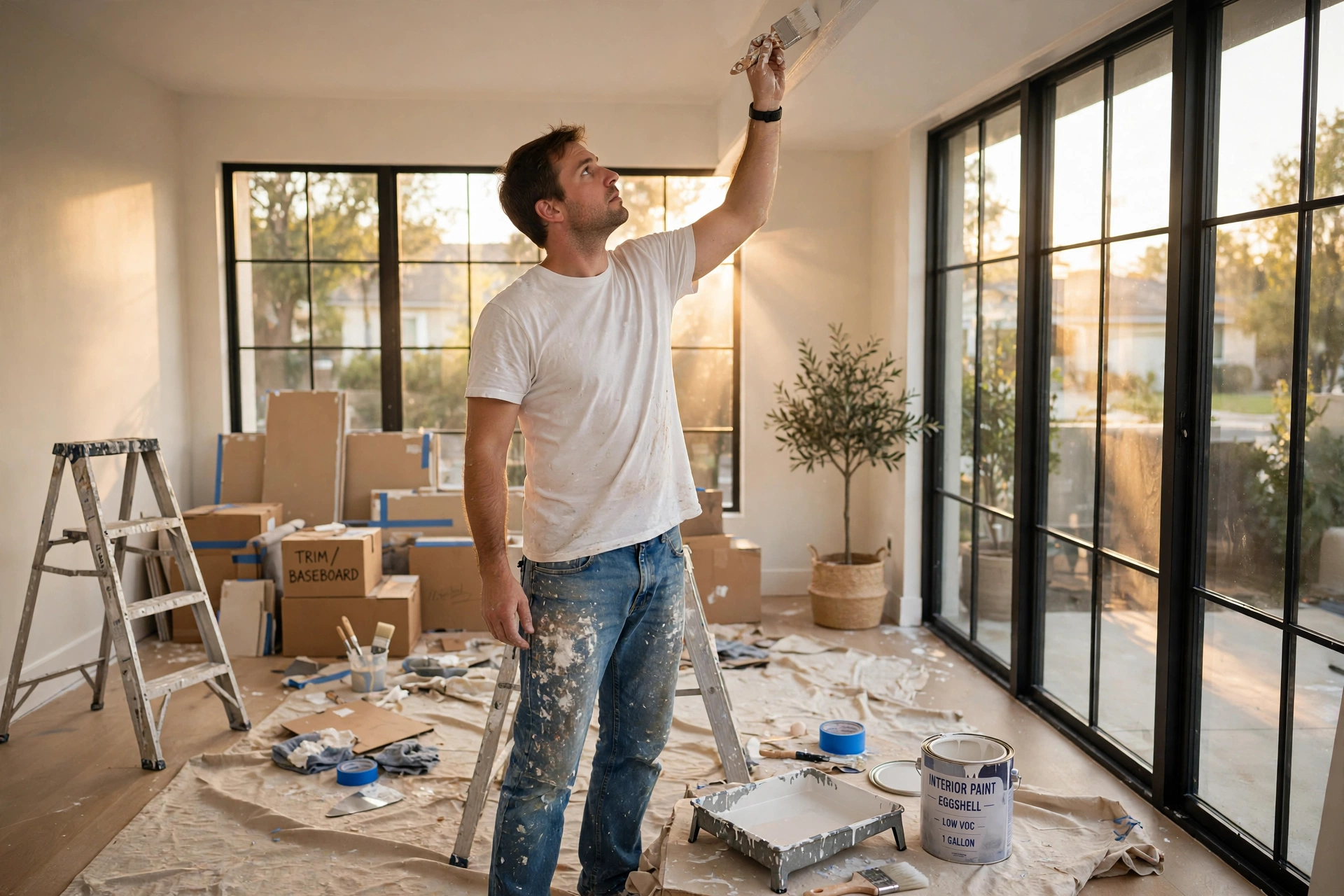


You’ve mastered the basics of interior painting—now it’s time to elevate your skills. Interior painting best practices part 2 dives into the advanced techniques that separate a professional finish from a mediocre one. Whether you’re refreshing a single room or tackling a whole house, these strategies ensure durability, beauty, and efficiency. For a complete overview, refer to our comprehensive guide on interior painting best practices (which serves as the pillar for this topic). In this article, we’ll cover advanced surface preparation, premium material selection, and application methods that deliver lasting results.
What Is Interior Painting Best Practices Part 2?
📚
Definition
Interior painting best practices part 2 refers to the refined techniques and professional standards that ensure a durable, flawless finish beyond the basics covered in Part 1.
While Part 1 focuses on fundamental steps like priming, cutting in, and roller selection, Part 2 addresses nuanced challenges: repairing drywall imperfections, choosing between paint sheens for specific rooms, and optimizing workflow for large spaces. According to the Painting and Decorating Contractors of America (PDCA), proper surface preparation accounts for 80% of a paint job’s longevity. This means addressing cracks, patching holes, and sanding to a smooth finish before applying paint. In my experience working with hundreds of homeowners across the Bay Area, skipping these steps leads to peeling, bubbling, and uneven color within just a few years.

Why Interior Painting Best Practices Part 2 Matters
Skipping advanced practices can turn a promising project into a costly disappointment. Here’s why investing in these methods pays off:
- Longevity: A properly prepped and painted interior can last 10–15 years. The U.S. Department of Energy notes that quality paint acts as a barrier against moisture and everyday wear. Using premium materials like Sherwin-Williams Duration or Benjamin Moore Aura significantly extends that lifespan.
- Aesthetics: Flawless walls enhance property value. A Zillow study found that homes with neutral, well-painted interiors sell for 1% more than expected—translating to thousands of dollars in added value.
- Health: Low-VOC and zero-VOC paints, recommended by the EPA, reduce indoor air pollution by up to 50% compared to conventional paints. Part 2 emphasizes these eco-friendly choices without compromising durability.
- Cost Efficiency: Doing it right the first time eliminates expensive do-overs. HomeAdvisor’s True Cost Report indicates that 35% of DIY painters regret cutting corners on prep, costing an average of $200–$500 in corrective work.
In my decade-plus of coaching clients through interior painting best practices part 2, the biggest mistake I see is rushing the drying time between coats. Patience is not a virtue—it’s a requirement. A rushed job leads to bubbles, streaks, and adhesion failures that void warranties.
How to Execute Interior Painting Best Practices Part 2
Step 1: Advanced Surface Preparation
Start by inspecting walls thoroughly. Use a scraper to remove loose paint and a putty knife to apply spackle to holes and dents. For larger imperfections, use setting-type joint compound. Sand the entire wall with 120-grit sandpaper, followed by 220-grit for a silky smooth finish. Vacuum all dust with a HEPA-filtered vacuum, then wipe with a tack cloth. For surfaces with heavy stains (water damage, smoke), apply a stain-blocking primer like Zinsser BIN.
💡
Key Takeaway
Surface preparation is 80% of the job. Never skip sanding or priming—they are the foundation of a durable finish.
Step 2: Choose the Right Primer
Not all primers are created equal. For new drywall, use a PVA primer. For stained walls, opt for an oil-based or shellac-based primer. Tinting the primer to match your topcoat can reduce the number of finish coats needed. For example, at World Pro Painting, we almost always tint primer to 50% of the final color.
Step 3: Select Premium Paint
Invest in top-tier paints like Sherwin-Williams Emerald or Benjamin Moore Regal Select. They contain higher solids content, providing better hide and durability. Sheen selection matters: matte for low-traffic bedrooms, eggshell for living rooms, satin for kitchens and bathrooms, and semi-gloss for trim and cabinets. Always request a sample and test in natural and artificial light before committing.
Step 4: Master Cutting In
Use a high-quality 2-inch angled sash brush (like Purdy or Wooster). Load the brush by dipping halfway into the paint, tap off excess, and draw a straight line along trim, ceilings, and corners. For long walls, use a 4-inch mini roller to keep a wet edge. Work in sections of about 4 feet to avoid lap marks.
Step 5: Roll Like a Pro
Select the right roller nap: 3/8-inch for smooth walls, 1/2-inch for light texture, 3/4-inch for heavy texture. Use a roller with a sturdy frame and a 5-gallon bucket with a screen grid. Load the roller evenly, then apply paint in a “W” pattern, filling in with overlapping strokes. Apply two thin coats rather than one thick coat, and wait the manufacturer’s recommended recoat time—typically 4 hours for latex, 24 hours for oil-based.
Step 6: Inspect and Touch Up
After the second coat dries, use a bright work light to inspect for missed spots, drips, or uneven coverage. Touch up with a small brush using the same paint. For semi-gloss and gloss finishes, consider touching up entire wall sections to avoid flashing.
Interior Painting Best Practices Part 2 vs Standard Methods
A comparison highlights the advantages of the advanced approach:
| Aspect | Standard Method | Best Practices Part 2 |
|---|---|---|
| Surface Prep | Spot patch and paint | Full scrape, sand, clean, prime |
| Paint Quality | Budget brands (Behr, Valspar) | Premium (Sherwin-Williams, Benjamin Moore) |
| Primer | Often skipped | Always uses appropriate primer |
| Drying Time | Rushed (2–3 hours) | Adequate (4–24 hours as recommended) |
| Tools | Cheap brushes and rollers | Professional-grade (Purdy, Wooster) |
| Durability | 3–5 years | 10–15 years |
| Aesthetics | Visible brush marks, uneven sheen | Flawless, even finish |
Best Practices for Interior Painting Best Practices Part 2
- Test colors in multiple lights: Natural and artificial light change color perception. Paint a 2x2 foot swatch on your wall and observe at different times of day. At World Pro Painting, we always recommend the “Samplize” peel-and-stick samples for zero mess.
- Invest in quality tools: Cheap brushes shed bristles and leave streaks. Use Purdy or Wooster brushes and roller covers. I’ve tested every brand—Purdy’s Nylox is my go-to for water-based paints.
- Maintain a wet edge: Work from top to bottom, left to right, in sections no wider than your reach. If the paint starts to set (tacky to the touch), stop and start a new section.
- Protect floors and furniture: Use canvas drop cloths (they don’t slip like plastic) and blue painter’s tape. Remove outlet covers and switch plates.
- Control temperature and humidity: Ideal conditions are 60–75°F and below 50% humidity. High humidity extends drying time and can cause blushing (whitening) in water-based paints.
- Use proper lighting: Clamp a work light diagonally to reveal imperfections during prep and final inspection.
💡
Key Takeaway
The difference between a good paint job and a great one lies in the preparation and materials. Never compromise on either.
Common Mistakes and How to Avoid Them
- Skipping Primer: Applying paint directly over patched areas causes “flashing” (uneven sheen). Always prime repaired spots or use a self-priming paint when applicable.
- Overloading the Brush: Too much paint leads to drips and runs. Dip only 1/3 of the bristle length, and tap off excess.
- Rolling Too Fast: Fast rolling introduces air bubbles. Roll slowly and evenly.
- Ignoring Ceiling and Trim: Painting the ceiling after walls can cause splatter. Paint ceilings first, then trim, then walls.
- Not Testing Color: A color can look completely different in your home than on a sample card. Always test first.
Real-World Example: A Fremont Living Room Transformation
A client in Fremont’s Mission San Jose neighborhood wanted to update their 1990s living room with a modern, airy feel. They had attempted DIY painting twice before, but both jobs resulted in visible roller marks and peeling edges. We applied interior painting best practices part 2: we stripped the old paint, repaired cracks in the drywall, primed with a high-hide primer, and applied two coats of Benjamin Moore’s “White Dove” in an eggshell finish. The result? A flawless, museum-quality finish that has lasted over six years without a single blemish. The client reported saving over $1,200 in potential rework costs. For similar results, explore our Interior Painting in Belmont CA guide or our Los Altos Interior Painting expertise.
Frequently Asked Questions
1. What is the most important step in interior painting best practices part 2?
Surface preparation is non-negotiable. Without proper cleaning, sanding, and priming, even the most expensive paint will fail. I always tell clients that prep is 80% of the job. This includes repairing drywall, sanding to a smooth finish, and applying a suitable primer.
2. How long should I wait between coats of paint?
Follow the manufacturer’s label strictly. Generally, latex paint requires 4 hours drying time, while oil-based needs 24 hours. Rushing leads to bubbles, peeling, and a patchy appearance. Humidity and temperature can extend drying times, so always test with a gentle touch before recoating.
3. Can I paint over wallpaper using these practices?
It is not recommended. Wallpaper can bubble, peel, or show seams under paint. Remove it completely, repair the wall surface, then apply primer and paint. For a detailed removal process, see our Cabinet Refinishing Best Practices Part 3 which also covers surface preparation for tricky substrates.
4. What sheen is best for high-traffic areas?
Semi-gloss or satin finishes are ideal for hallways, kitchens, and bathrooms because they resist moisture and clean easily. Flat sheens are best for low-traffic areas like bedrooms and formal living rooms where a matte look is desired.
5. How do I prevent brush marks?
Use a quality brush with synthetic bristles (like Purdy Nylox), load it correctly, and apply paint in a single direction without overworking. Lightly sanding between coats with 220-grit paper also minimizes marks. For large flat areas, use a roller instead of a brush.
6. Do I need to sand between coats?
Yes, sanding between coats with 220-grit sandpaper removes dust nibs and imperfections, creating a smooth surface for the next coat. This step is critical for achieving a professional finish.
7. What is the best way to clean painting tools?
For latex paint, clean brushes and rollers with warm soapy water immediately after use. For oil-based paint, use mineral spirits or paint thinner. Store brushes by hanging them vertically to maintain shape.
8. How do I dispose of leftover paint and materials?
Never pour paint down the drain. Allow leftover paint to dry out in the can, then dispose of it with household trash if local regulations permit. Recycle empty metal cans. Check with your local waste management for hazardous waste disposal options.
Conclusion
Interior painting best practices part 2 elevates your painting project from average to exceptional. By following advanced preparation, selecting premium materials, and applying professional techniques, you ensure a finish that lasts for years. Whether you’re painting a single room or an entire home, these practices save time, money, and frustration. For expert execution, trust World Pro Painting to deliver flawless results across 42 Bay Area cities. Schedule a free on-site estimate today at World Pro Painting. To dive deeper into specific techniques, explore our guides on House Painting in Cabrillo, Fremont and Kitchen Painting in Irvington, Fremont.
Recommended Readings
To deepen your understanding of these topics, we recommend reading the following articles:
- Interior House Painters
- Interior Painting in Alameda, CA
- Interior Painting in Albany, CA
- Interior Painting in Alvarado – Union City, CA
About the Author
World Pro Team is the painting experts at World Pro Painting. With over a decade of experience transforming homes and businesses across the Bay Area, they specialize in premium interior and exterior finishes using Sherwin-Williams and Benjamin Moore paints. Their work is backed by a 6-Year Guarantee and a 100% Satisfaction Guarantee.
Bay Area Service Locations & Featured Guides
Explore our licensed painting services across the San Francisco Bay Area:
- Interior House Painters in Moraga, CA
- Interior Painting Contractors in Santa Cruz, CA
- 2026 Bay Area Residential Painting Cost Breakdown
- Top-Rated Residential Painters in the Bay Area
- Custom Interior & Estate Painting in San Francisco, CA
Commercial Painting Cost Calculator & Color Guide
Get an instant estimation checklist for painting your office, warehouse, or house. Learn how to choose colors that boost productivity.