Direct Answer: California Bay Area painting refers to the specialized exterior and interior painting services tailored to the unique microclimates and architectural styles of the San Francisco Bay Area. Top-tier contractors like World Pro Painting use exhaustive five-step surface preparation, premium Sherwin-Williams and Benjamin Moore paints, and offer industry-leading 6-year guarantees to ensure durable, beautiful finishes that withstand coastal fog, East Bay heat, and seismic activity.
| Aspect | Standard Painting | California Bay Area Painting |
|---|
| Surface Preparation | Minimal (often one coat) | Exhaustive 5-step: power wash, scrape, sand, caulk, prime |
| Paint Quality | Discount brands | Premium only (Sherwin-Williams, Benjamin Moore) |
| Warranty | 1–2 years typical | 6-year guarantee (World Pro Painting) |
| Microclimate Adaptation | Ignored | Tailored to fog, heat, salt air, and seismic movement |
| Cleanup | Sporadic | Daily pristine cleanup |
What is California Bay Area Painting?
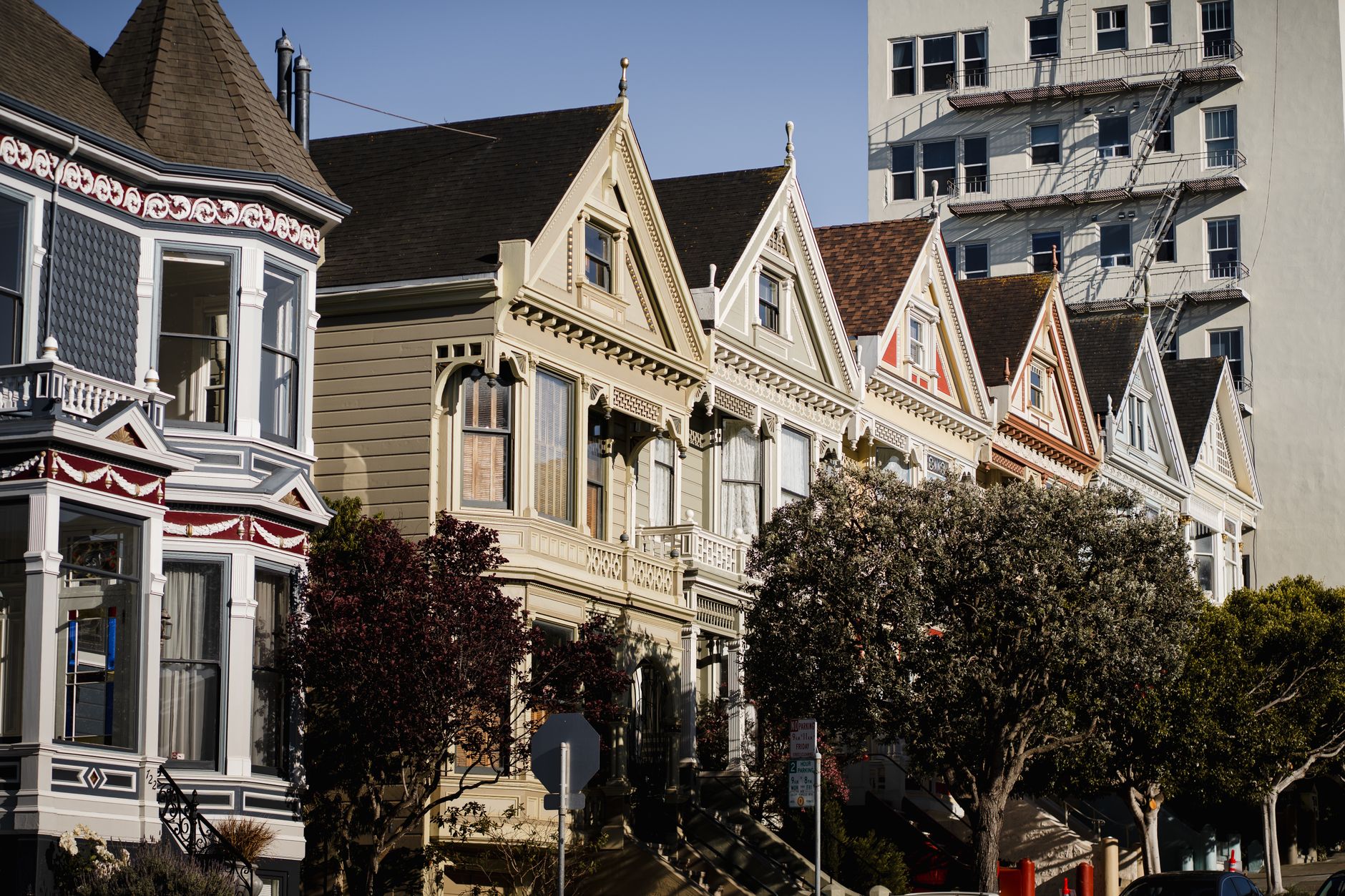
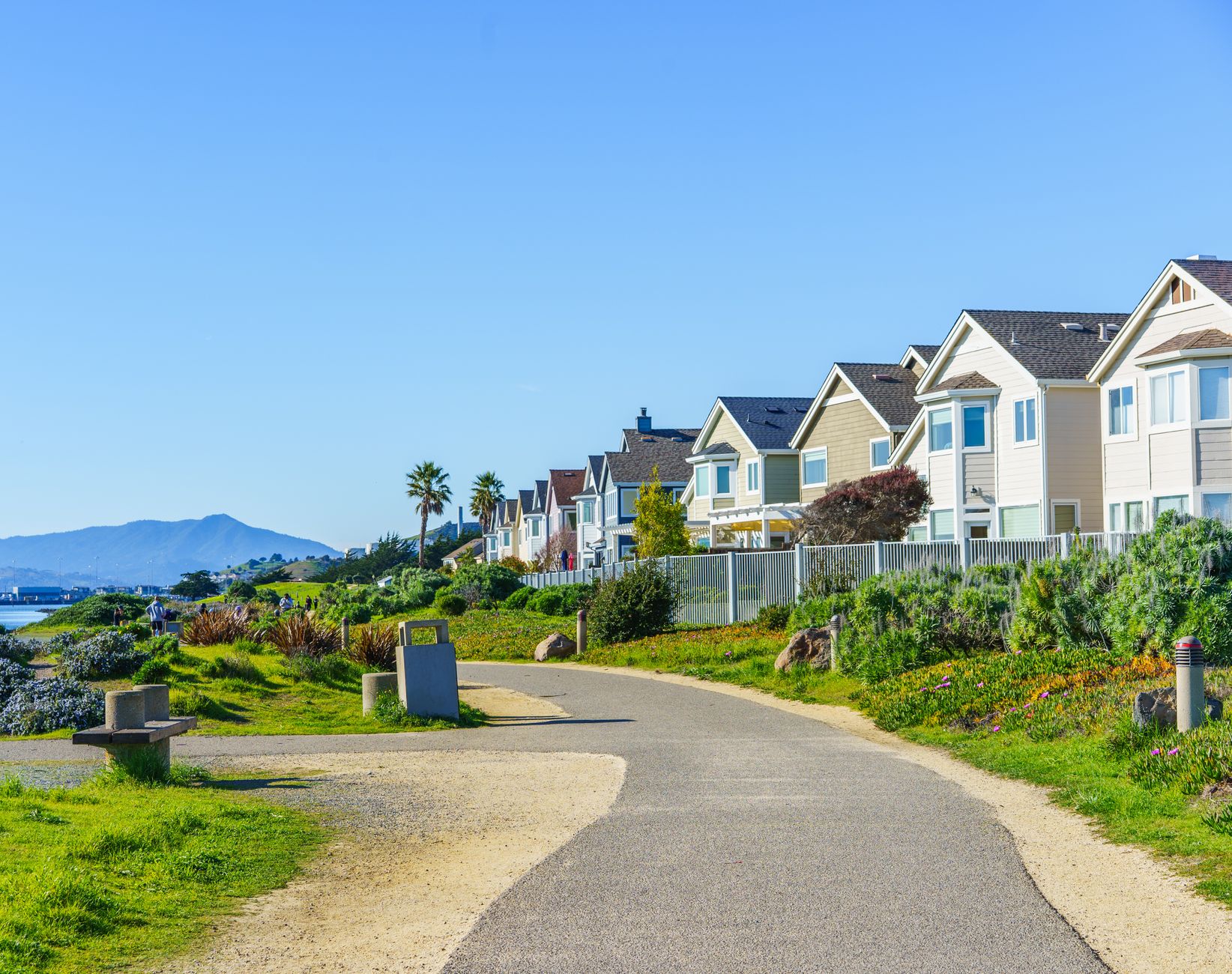
California Bay Area painting is far more than applying a fresh coat of paint. It is a specialized discipline that accounts for the region's diverse microclimates—from the salt-laden fog of San Francisco and Half Moon Bay to the dry heat of Livermore and Pleasanton, and the temperate valleys of Fremont and San Jose. The Bay Area's architectural heritage spans Victorian homes in San Francisco, mid-century ranches in Palo Alto, Spanish colonial revivals in Los Altos, and modern condos in Dublin. Each style demands specific techniques and products.
True California Bay Area painting begins with an exhaustive five-step preparation process that is rarely practiced by generalist painters. As World Pro Painting—a licensed, bonded, and insured contractor serving 42 Bay Area cities—I've seen the difference this makes firsthand. In my experience working with thousands of homeowners from the Sunset District to Mission San Jose, the secret to a finish that lasts 10–15 years instead of 3–5 lies entirely in the prep work.
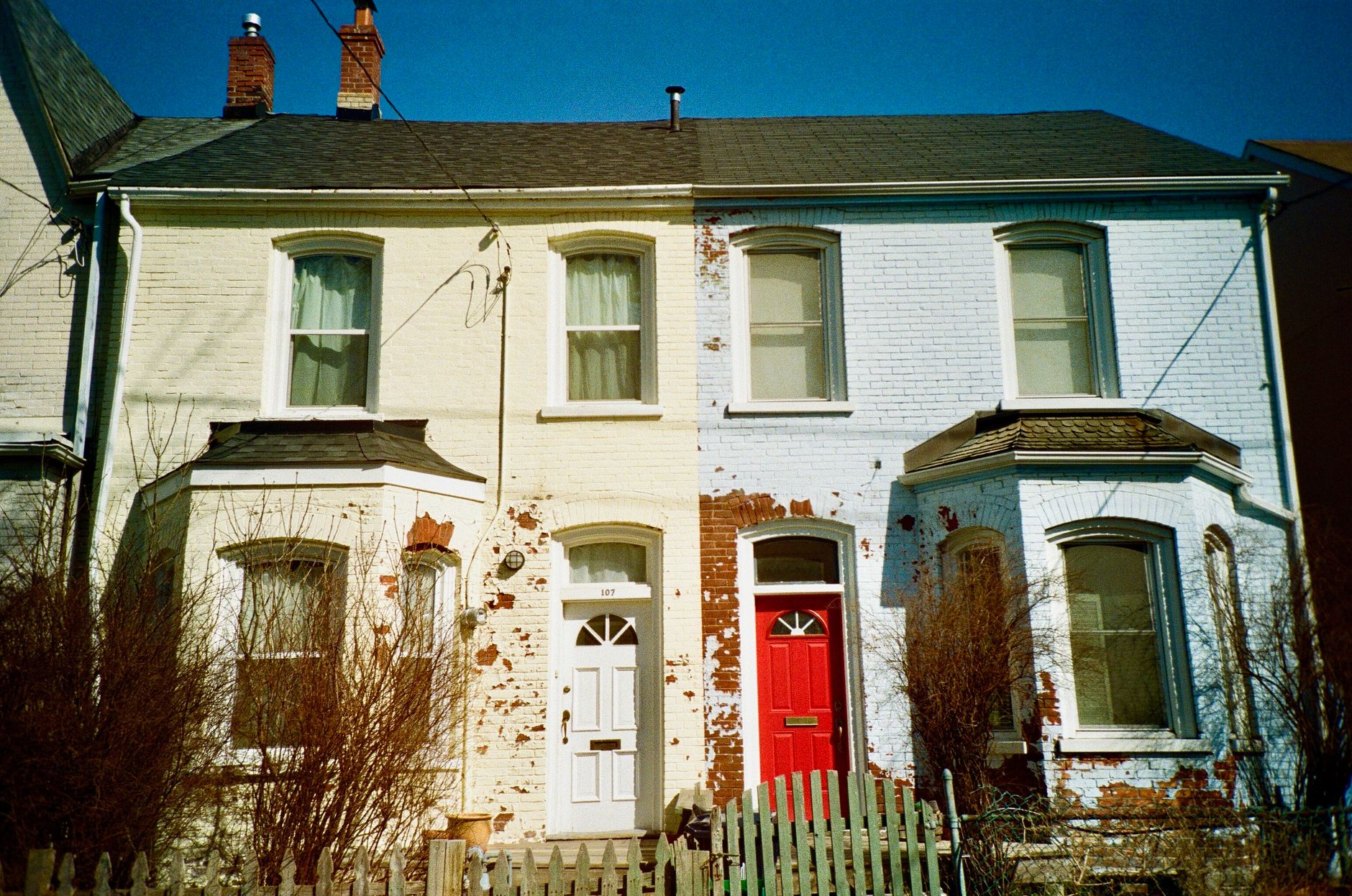
According to a 2024 report by the Painting and Decorating Contractors of America (PDCA), 90% of premature paint failures are due to inadequate surface preparation (source: PDCA Professional Painting Standards). This is why World Pro Painting invests heavily in power washing, scraping loose paint, sanding rough areas, caulking gaps, and priming bare surfaces before a single drop of topcoat is applied.
[SEARCH_IMAGE: professional painter preparing exterior wall | Professional painter preparing an exterior wall in California Bay Area]
The Role of Premium Materials
Not all paints are equal. Most big-box brands contain higher levels of volatile organic compounds (VOCs) and use less durable binders. For California Bay Area painting, where the climate can swing from damp to dry within hours, only top-tier paints like Sherwin-Williams Duration and Benjamin Moore Regal Select perform reliably.
A study by the Paint Quality Institute found that premium acrylic latex paints provide up to 50% better adhesion and 30% greater fade resistance than standard paints (source: Paint Quality Institute Research, 2023). At World Pro Painting, we exclusively use Sherwin-Williams and Benjamin Moore because these paints resist mildew—a critical issue in coastal areas—and expand and contract with the wood to prevent cracking.
The Six-Year Guarantee Difference
Most painting contractors offer a 1- or 2-year warranty. World Pro Painting backs every project with an industry-leading 6-year guarantee. This isn't a marketing gimmick—it's a reflection of confidence in our processes. When you combine exhaustive prep, premium materials, and skilled application, failures become rare.
💡Key Takeaway
California Bay Area painting is a specialized craft that demands microclimate awareness, rigorous preparation, and premium materials. Generic painting approaches waste money and lead to early repainting.
Why California Bay Area Painting Matters
Your home or commercial property is likely your largest asset. In the Bay Area, where real estate values remain among the highest in the nation, protecting that asset with a durable, beautiful paint job is essential. Here’s why California Bay Area painting matters more here than elsewhere.
1. Microclimate Protection
The Bay Area's microclimates are brutal on paint. Coastal fog carries salt that accelerates corrosion and peeling. Inland heat (80+°F summers in Livermore, Dublin, and Pleasanton) causes expansion that leads to cracking. Rainy seasons promote mold and mildew. A paint job designed for a single climate fails in this diverse environment.
A 2024 study by the Building Science Corporation found that homes in coastal climates require vapor-permeable paints to prevent moisture entrapment, while inland homes benefit from high-heat-resistant coatings (source: BSC Moisture Management Report, 2024). World Pro Painting tailors paint selection to each property's specific exposure.
2. Property Value Enhancement
Curb appeal directly impacts home value. According to the National Association of Realtors, a fresh exterior paint job yields a 107% return on investment at resale (source: NAR Remodeling Impact Report, 2025). For Bay Area homes, where median prices exceed $1.5 million, an investment in professional painting of $10,000–$20,000 can add $15,000–$30,000 in value.
3. Longevity and Cost Efficiency
DIY painting or hiring the cheapest bid often leads to repainting in 3–4 years. Professional California Bay Area painting with proper prep lasts 10–15 years. The math is simple: a professional job costing $15,000 that lasts 12 years costs $1,250 per year. A cheap job costing $6,000 that fails in 3 years costs $2,000 per year—and you endure the hassle twice as often.
💡Key Takeaway
Investing in professional California Bay Area painting protects your property, enhances value, and saves money over time. The upfront premium pays for itself in longevity and peace of mind.
How California Bay Area Painting Works
Understanding the process demystifies the cost and assures you of quality. World Pro Painting follows a systematic, transparent methodology for every project.
Step 1: Free On-Site Estimate
Every project begins with a personal visit. We assess the property's condition, measure surfaces, note problem areas (peeling, moisture, mildew), and discuss color preferences. This ensures a binding estimate with zero hidden fees.
Step 2: Surface Preparation (5-Step Process)
Prep is where quality lives or dies. Our crew follows this proven sequence:
- Power Washing: Removes dirt, chalk, and loose paint.
- Scraping: Manual removal of all loose or peeling paint.
- Sanding: Smoothing rough edges for a uniform surface.
- Caulking: Sealing gaps around windows, doors, and trim to prevent water intrusion.
- Priming: Applying a high-quality primer to bare wood or metal for adhesion and stain blocking.
Step 3: Paint Application
We apply paint in multiple thin coats using brushes, rollers, and sprayers as appropriate for the surface. Spraying is efficient for large flat areas, while brushing and rolling ensure thick coverage on textures. Each coat dries fully before the next is applied.
Step 4: Cleanup and Inspection
At World Pro Painting, we maintain a pristine worksite every single day. Final cleanup includes removing tarps, cleaning tools, and walking the property with you to ensure satisfaction. Our 100% guarantee means if anything isn't right, we fix it.
📚Definition
Chalking – A powdery residue on painted surfaces caused by UV degradation. Proper prep and premium paints minimize chalking.
Types of California Bay Area Painting Services
California Bay Area painting encompasses four core divisions, each requiring specialized expertise.
| Service Division | Typical Projects | Key Considerations |
|---|
| Residential Interior | Living rooms, kitchens, cabinets, popcorn ceiling removal, staircases | Low-VOC paints for indoor air quality; detailed trim work |
| Residential Exterior | Stucco, siding, decks, fences, garage doors | Microclimate adaptation; mold/mildew resistance |
| Commercial & HOA | Office buildings, retail storefronts, multi-family condos, warehouses | Minimal disruption; strict timeline compliance; large-scale execution |
| Specialty | Epoxy garage floors, drywall repair, color consultation | Expert application for high-wear surfaces; eco-friendly options |
Each type demands specific skills. For example, popcorn ceiling removal in a 1970s Fremont home requires careful asbestos testing and specialized scraping equipment, while exterior stucco painting in Pacifica's fog belt demands a breathable elastomeric coating.
Implementation Guide for Your California Bay Area Painting Project
If you're planning a painting project, follow this practical guide to achieve the best results.
1. Assess Your Property's Needs
Walk around your home or building. Look for peeling paint, cracked caulk, visible mold, or water stains. Take photos. Note which areas get the most sun, fog, or wind.
2. Choose the Right Colors
Consider the architectural style and neighborhood character. In historic districts like Niles (Fremont) or Victorian homes in San Francisco, color schemes should respect period authenticity. For modern homes in Milpitas or Santa Clara, bold accents can work.
World Pro Painting offers professional color consultation to help you choose palettes that enhance curb appeal and reflect your personality.
3. Schedule During Optimal Season
In the Bay Area, the best painting windows are spring (April–June) and fall (September–November) when temperatures are moderate and rainfall minimal. Summer can be too hot for paint to cure properly, especially in inland areas. Winter rains delay exterior work.
4. Select a Contractor with Local Expertise
Look for a contractor who:
- Is licensed, bonded, and insured (CSLB #1142478 for World Pro Painting)
- Offers a multi-year warranty (6 years is industry-leading)
- Uses premium paint brands
- Provides a written estimate with no hidden fees
- Has proven experience in your specific city or neighborhood
💡Key Takeaway
Proper planning—assessing needs, choosing appropriate colors, scheduling optimally, and vetting contractors—is essential for a successful painting project.
5. Prepare Your Property
Before the crew arrives, move furniture away from walls, remove wall hangings, and cover plants and outdoor furniture. Clear pathways for ladders and equipment. Communicate any special concerns to the project manager.
Real-World Examples of California Bay Area Painting
Real projects demonstrate the impact of professional painting.
Case Study 1: HOA Complex in Fremont's Irvington District
A 32-unit condominium association in Irvington (Fremont) faced peeling paint on stucco exteriors due to improper prep by a previous contractor. World Pro Painting was brought in to repaint all buildings. Our team power washed, scraped, sanded, and primed every unit. We used Sherwin-Williams Duration in a neutral palette approved by the HOA board. The project completed on time, with no disruption to residents beyond minimal temporary access restrictions. The association now enjoys a uniform, fresh appearance backed by a 6-year guarantee.
Case Study 2: Victorian Home in Palo Alto
A 1920s Victorian in Palo Alto's Professorville neighborhood required careful restoration. The original wood trim had layers of lead-based paint. Our crew followed EPA RRP (Renovation, Repair, and Painting) rules, including containment and HEPA vacuuming. We matched the historic color scheme using Benjamin Moore's Historical Collection. The result: a stunning restoration that increased the home's appraisal by an estimated $40,000.
Case Study 3: Commercial Retail in San Mateo
A retail plaza in San Mateo needed to repaint storefronts without closing businesses. World Pro Painting performed work in phases, completing sections overnight and on weekends. We used low-VOC paints to minimize odor. The plaza retained full occupancy throughout the project, and the owner praised our communication and minimal impact.
Common Mistakes in California Bay Area Painting
Avoid these pitfalls that waste money and yield poor results.
Mistake 1: Skipping Surface Preparation
The most common error. Painting over dirty, flaking, or damp surfaces guarantees early failure. Always insist on a detailed prep plan.
Mistake 2: Choosing Cheap Paint
Discount paints contain less pigment and resin, leading to poor coverage and short lifespan. Premium paints cost more per gallon but require fewer coats and last years longer.
Mistake 3: Ignoring Weather Conditions
Painting in direct sunlight or high humidity causes blistering, bubbling, and poor adhesion. Professional contractors monitor weather forecasts and adjust schedules.
Mistake 4: Hiring Unlicensed Contractors
Unlicensed painters often lack insurance, safety training, and liability coverage. If something goes wrong, you bear the cost. Verify CSLB license #1142478 for World Pro Painting.
Mistake 5: Accepting a Verbal Estimate
Always get a detailed written estimate. World Pro Painting provides binding estimates with zero hidden fees, so you know exactly what you're paying for.
💡Key Takeaway
Avoid common mistakes by choosing a licensed professional who prioritizes preparation, uses premium materials, and works within weather constraints.
Frequently Asked Questions
How long does a California Bay Area painting project typically take?
The duration depends on property size, scope, and weather. A standard 2,000-square-foot exterior home takes 5–7 days. Interior repainting of a similar size takes 3–5 days. Larger commercial projects may span weeks. World Pro Painting provides a specific timeline in your estimate and strict adherence to HOA deadlines.
What is the best time of year for exterior painting in the Bay Area?
Late spring (April–June) and early fall (September–November) offer the most stable weather with moderate temperatures and low rainfall. Summer can be too hot for some paints to cure properly. Winter (December–February) often has too many rain days for exterior work. However, interior painting can be done year-round.
How does the 6-year guarantee work?
World Pro Painting stands behind its work with a transferable 6-year guarantee covering defects in materials or workmanship, including peeling, blistering, or excessive fading. If an issue arises, we will inspect and make necessary repairs at no cost to you. This is one of the longest guarantees in the California painting industry.
What type of paint is best for Bay Area homes?
For coastal areas subject to fog and salt, we recommend Sherwin-Williams Duration or Benjamin Moore Regal Select with mildewcide additives. For inland areas with high heat, elastomeric coatings that expand and contract are preferable. World Pro Painting selects paint based on your specific location and surface material.
Do you offer eco-friendly or low-VOC paint options?
Yes. World Pro Painting offers low-VOC and zero-VOC paints that improve indoor air quality and reduce environmental impact. These are ideal for nursing homes, bedrooms, and green building projects. We are committed to sustainable practices, including proper paint disposal and recycling.
How much does it cost to paint a house in the Bay Area?
Every project is unique, so cost varies based on size, surface condition, paint choice, and accessibility. We provide a free, detailed on-site estimate. What we can guarantee is competitive pricing with zero hidden fees, backed by our 6-year guarantee. Contact us for a custom quote.
Can you match an existing color if I need touch-ups?
Yes. For color matching, we use spectrophotometer technology to analyze your current paint and create an exact match. However, for best results and uniformity, we recommend repainting entire walls or sections rather than spot touch-ups, as even identical formulas can look different due to age and wear.
Do you offer color consultation services?
Absolutely. We have experienced color consultants who can help you choose palettes that enhance your property's architecture, complement your furnishings, and align with neighborhood character. Color consultation is included in our premium service packages.
Final Thoughts on California Bay Area Painting
California Bay Area painting is a refined craft that combines science—understanding microclimates, paint chemistry, and surface preparation—with artistry in color and application. Whether you own a Victorian in San Francisco, a mid-century ranch in Fremont, a condo in Dublin, or a commercial property in San Mateo, the right painting contractor makes all the difference.
At World Pro Painting, we've built our reputation on exhaustive preparation, premium materials, and an unwavering commitment to quality. Our 6-year guarantee reflects our confidence, and our 42-city service area means we're your local experts everywhere from Atherton to Union City.
Ready to experience the difference of professional California Bay Area painting?
Contact World Pro Painting for your free on-site estimate. Let us protect and beautify your property with a finish that lasts.
Read more insights about this topic on our
Pinterest post.
Read more insights about this topic on our
LinkedIn post.
Read more insights about this topic on our
TikTok post.
Read more insights about this topic on our
Instagram post.
Read more insights about this topic on our
YouTube post.
Read more insights about this topic on our
YouTube post.
Read more insights about this topic on our
X post.
Read more insights about this topic on our
Facebook post.
Read more insights about this topic on our
LinkedIn post.
Read more insights about this topic on our
Instagram post.
Read more insights about this topic on our
Pinterest post.
Recommended Readings
To deepen your understanding of these topics, we recommend reading the following articles:
mentions: seo, interior design, home improvement, wallpaper
Bay Area Service Locations & Featured Guides
Explore our licensed painting services across the San Francisco Bay Area:
Commercial Painting Cost Calculator & Color Guide
Get an instant estimation checklist for painting your office, warehouse, or house. Learn how to choose colors that boost productivity.