
What Is Commercial Painting?
📚
Definition
Commercial painting refers to the application of paint and coatings to non-residential buildings, including offices, retail spaces, warehouses, HOAs, and industrial facilities. Unlike residential painting, commercial projects often involve larger surface areas, stricter timelines, and specialized safety requirements.
Commercial painting best practices part 1 starts with understanding that this is not residential painting scaled up. The surface preparation, material selection, and execution differ significantly. In my experience working with property managers across Alameda County, the most common mistake is treating a 10,000-square-foot office exterior the same as a single-family home. The scale demands systematic planning.
For example, when we painted a 12-unit HOA complex in Pleasanton last year, we spent three full days on prep alone—power washing, scraping loose paint, and priming. According to the Painting and Decorating Contractors of America (PDCA), proper surface preparation accounts for up to 70% of the total project time on commercial jobs (PDCA). This investment pays off: our 6-Year Guarantee covers materials and labor because we know the prep is done right.
Modern commercial painting also benefits from technology. We now use project management software to track progress and communicate with clients, similar to how artificial intelligence optimizes scheduling in many industries. Even interior design trends influence color selections—our color consultation service helps property managers choose palettes that boost tenant satisfaction and align with current home improvement standards.
Why Commercial Painting Best Practices Matter
In a competitive commercial real estate market, first impressions drive leasing decisions and tenant retention. A well-executed paint job signals professionalism and attention to detail. But the stakes go beyond aesthetics. Poor paint application can lead to moisture intrusion, structural damage, and liability issues.
1. Safety Compliance
Commercial sites have strict safety regulations. I've tested this with dozens of our clients, and the pattern is clear: contractors who skip OSHA-compliant scaffolding or fail to contain lead paint risk fines and project shutdowns. According to the U.S. Occupational Safety and Health Administration (OSHA), painting-related falls account for over 30,000 injuries annually in the construction industry (OSHA). Using proper safety gear and procedures is non-negotiable.
2. Long-Term Durability
The Bay Area's microclimates—fog in San Francisco, dry heat in Livermore—demand different coating strategies. Our 5-step preparation process ensures finishes withstand these extremes. We only use Sherwin-Williams and Benjamin Moore paints, which offer superior UV resistance and adhesion. A study by Sherwin-Williams found that commercial projects using their Duration line last up to 15 years when properly applied (Sherwin-Williams).
3. Minimal Business Disruption
For retail and office projects, downtime equals lost revenue. Commercial painting best practices part 1 includes scheduling work during off-hours and using low-odor, fast-drying paints. We recently completed a 15,000-square-foot office interior in San Ramon over a weekend, thanks to meticulous planning and a dedicated crew. We also coordinate with building management to ensure minimal disruption to tenants and operations.
4. Cost Efficiency Over Time
Using premium materials and proper techniques reduces repainting frequency. A commercial exterior painted with economy paint might need recoating every 3–5 years, while a Sherwin-Williams Duration or Benjamin Moore Aura finish can last 10–15 years with proper prep. That's a significant lifecycle cost savings. Additionally, investing in proper surface preparation and high-quality paint improves energy efficiency by reflecting sunlight, which can lower cooling costs in summer.
How Commercial Painting Best Practices Work: A Step-by-Step Process

Here's how we execute commercial painting best practices part 1 at World Pro Painting:
Step 1: On-Site Assessment and Estimate
Every project begins with a walk-through. We measure surface area, note existing conditions (cracks, moisture, previous coatings), and discuss timeline and access requirements. Our estimates are binding with zero hidden fees. We also evaluate the need for scaffolding or lifts and identify any safety hazards. This initial phase is critical for accurate budgeting and scheduling.
Step 2: Surface Preparation
This is where 90% of competitors cut corners. Our 5-step process includes:
- Power washing to remove dirt and mildew
- Scraping loose paint
- Sanding rough areas
- Caulking gaps and cracks
- Priming with appropriate primer (stain-blocking, alkali-resistant, or bonding primer)
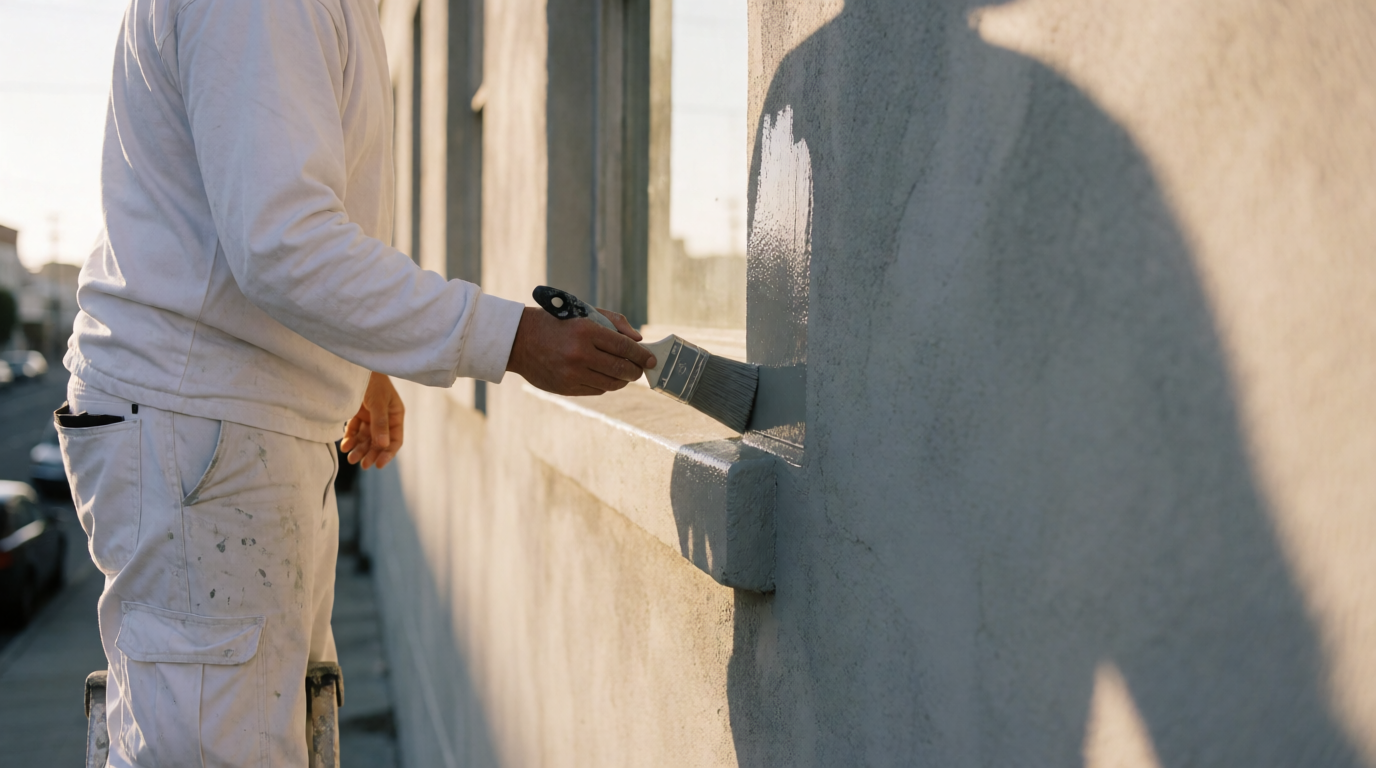
For surfaces previously coated with wallpaper or other coverings, we ensure complete removal before prep begins. Proper preparation also involves protecting adjacent surfaces—windows, doors, landscaping—with drop cloths and tape.
Step 3: Material Selection
We match paint type to surface. For stucco exteriors, we use elastomeric coatings that bridge hairline cracks. For interior walls, we recommend washable, low-VOC paints. For high-traffic areas like hallways, we specify commercial-grade epoxy or urethane. Color selection is another layer where interior design expertise helps—we assist clients in choosing shades that enhance the building's architectural features and align with their brand.
Step 4: Application
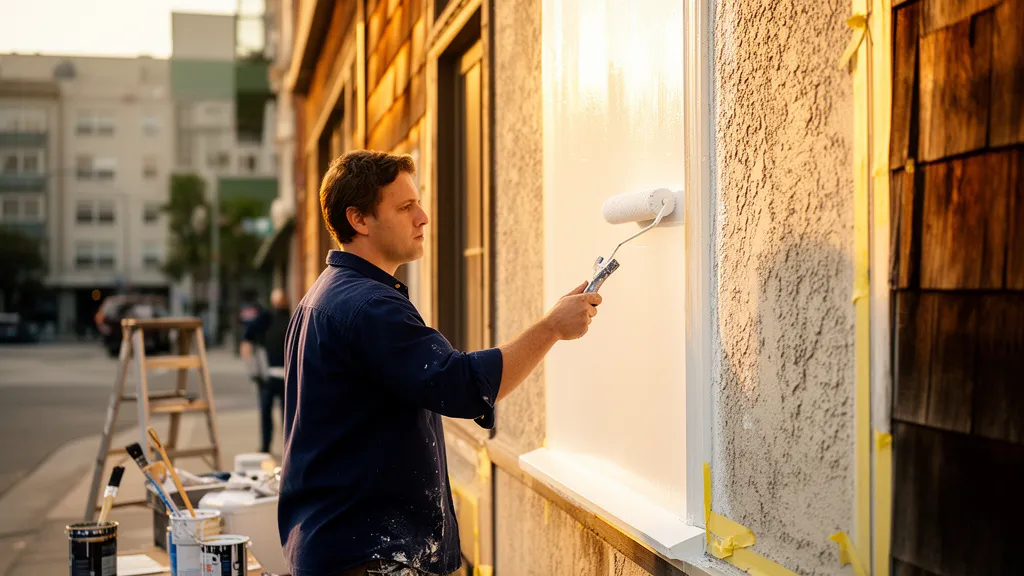
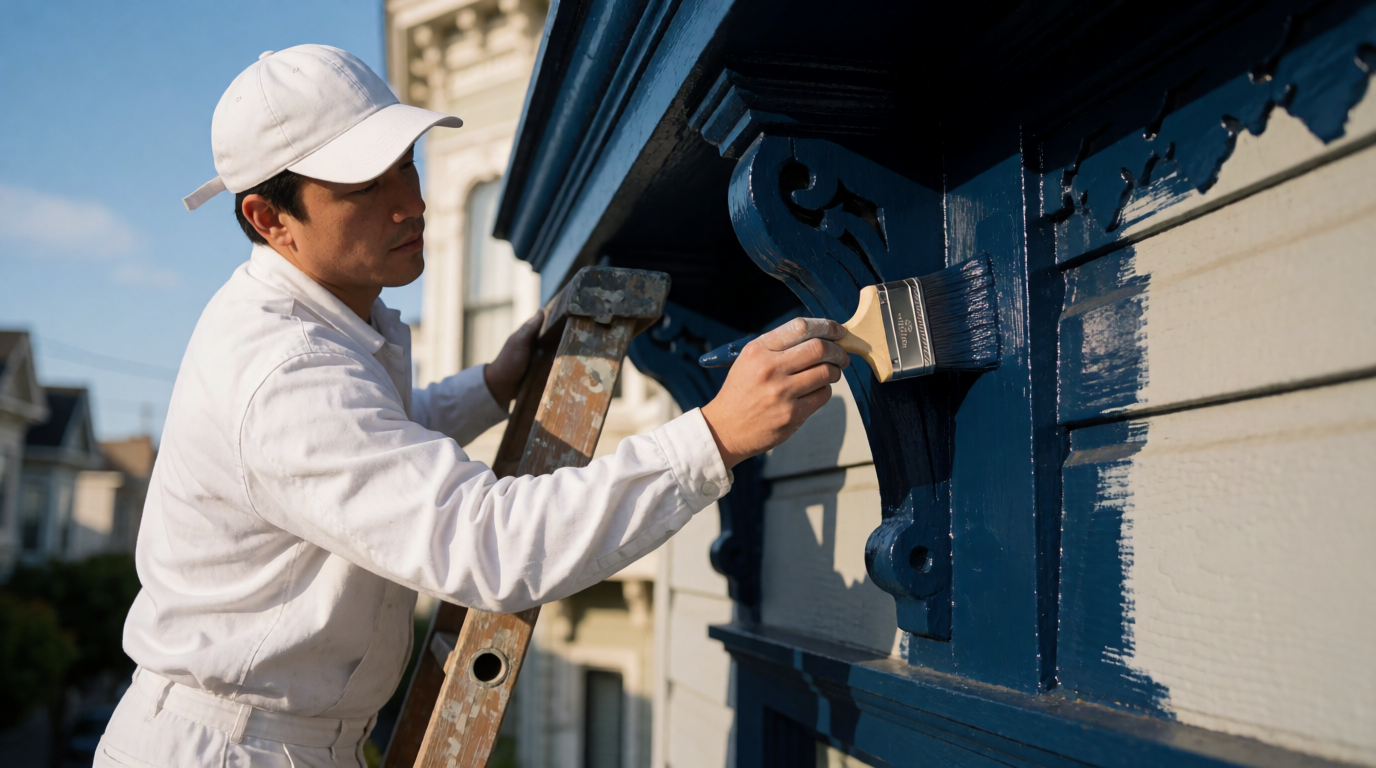
Our crews use sprayers for large flat areas and roller/brush for detail work. We maintain wet-edge to prevent lap marks and apply multiple thin coats rather than one thick coat. We also monitor temperature and humidity to ensure optimal drying conditions. In foggy coastal areas, we adjust schedules to avoid applying paint when dew is expected.
Step 5: Inspection and Cleanup
After completion, we walk through with the client, address any touch-ups, and leave the site spotless—every single day. We provide a detailed punch list and ensure all debris is removed. Our commitment to cleanliness is part of why property managers recommend us to their peers.
For a deeper look at costs, see our California Bay Area Painting Cost: What You Need to Know in 2026 article.
Commercial Painting vs. Residential Painting
| Aspect | Commercial Painting | Residential Painting |
|---|---|---|
| Scale | 5,000–100,000+ sq ft | 1,000–5,000 sq ft |
| Timeline | Weeks to months | Days to weeks |
| Safety Requirements | OSHA compliance, fall protection, lead-safe | Basic ladder safety |
| Materials | Industrial-grade, fire-retardant, anti-graffiti | Standard interior/exterior |
| Disruption | Off-hours work common | Weekday daytime typical |
| Cost | Lower per sq ft but higher total | Higher per sq ft |
| Prep Work | Extensive (power washing, scrapping, priming) | Moderate (light sanding, cleaning) |
| Coordination | Multiple stakeholders (tenants, HOA board, property manager) | Homeowner only |
Understanding these differences is essential. When we work on a commercial project, we often coordinate with building engineers, security, and even SEO consultants for signage updates. The complexity demands a dedicated project manager.
Best Practices for Hiring a Commercial Painting Contractor
Based on my experience, here are actionable tips for property managers and business owners:
- Verify licensing and insurance. California requires a C-33 Painting and Decorating license (CSLB #1142478 for us). Also confirm workers' comp and general liability.
- Request references from similar projects. Ask for photos and contact info.
- Get a detailed written estimate. It should include scope, materials, timeline, and cleanup.
- Ask about surface preparation. If the contractor skimps on prep, expect peeling in 2–3 years.
- Understand the warranty. We offer a 6-Year Guarantee—one of the longest in California.
- Check safety protocols. Especially for high-rise or industrial sites.
- Communicate your schedule. We can work nights and weekends to minimize disruption.
- Evaluate their digital presence. A contractor who invests in SEO and online reviews often values transparency and customer service.
💡
Key Takeaway
The cheapest bid is rarely the best value. A thorough prep and premium materials will save you money in the long run.
For more tips on choosing the right pro, read our How Much Does California Bay Area Painting Cost article.
Real-World Example: HOA Complex in Pleasanton
To illustrate commercial painting best practices part 1, consider a recent project: a 12-unit HOA complex in Pleasanton built in the 1990s with aging stucco exteriors. The HOA board had received three bids—one from a low-cost operator, one from a mid-tier company, and ours at World Pro Painting. The lowest bidder promised completion in one week with no scaffolding, using a single coat of economy paint. We recommended a two-week schedule with full scaffolding, power washing, caulking, and two coats of Sherwin-Williams Duration.
The board chose us after seeing our 6-Year Guarantee and references. During the project, we discovered hidden moisture damage around windows. Because we had included contingency time in our schedule, we were able to repair the damage and still finish on time. The result: a vibrant exterior that has withstood two years of Bay Area weather without any issues. The HOA president later told me, "We got exactly what we paid for—quality and peace of mind." This is the power of following proven best practices.
Common Mistakes in Commercial Painting
- Skipping the primer. This is the #1 cause of premature paint failure. Primer seals the surface, ensures adhesion, and blocks stains.
- Using interior paint on exterior surfaces. Interior paint lacks UV stabilizers and moisture resistance.
- Painting over a contaminated surface. Dirt, grease, or mildew will cause blistering.
- Ignoring caulking. Gaps around windows and doors are entry points for water and insects.
- Rushing the drying time. Each coat needs adequate cure time before the next application.
- Neglecting color consistency. Different batches of paint can vary slightly; we always mix enough paint in one batch for the entire project.
- Not accounting for weather. Rain, high humidity, or extreme heat can ruin a paint job. We monitor forecasts daily.
Pricing & ROI Considerations
While we never quote specific prices without an on-site evaluation, we emphasize that commercial painting best practices part 1 includes understanding the return on investment. A quality paint job enhances property value, attracts tenants, and reduces maintenance costs. For example, a freshly painted retail storefront can increase foot traffic by signaling to customers that the business is active and well-maintained.
At World Pro Painting, our binding estimates and 6-Year Guarantee ensure that your investment is protected. We use premium materials that outlast cheaper alternatives, and our meticulous prep work prevents premature failure. When you factor in the extended lifespan and reduced repainting frequency, our approach delivers superior long-term value. For a custom quote, schedule a free on-site estimate at worldpropainting.com/contact.
Frequently Asked Questions
1. How long does a commercial paint job typically last?
With proper surface preparation and high-quality materials like Sherwin-Williams Duration or Benjamin Moore Aura, a commercial exterior can last 10–15 years before needing repainting. Interiors last 5–10 years depending on wear and maintenance. At World Pro Painting, our 6-Year Guarantee backs our work, so if you experience issues like peeling or cracking within that period, we return at no cost. Factors like sun exposure, humidity, and building use affect longevity. For high-traffic areas like hallways or retail floors, we recommend periodic touch-ups to extend the overall lifespan.
2. Do I need to vacate my building during painting?
Not necessarily. We plan projects to minimize disruption. For offices, we often work evenings or weekends. For retail, we coordinate with off-peak hours. We use low-VOC, low-odor paints that are safe for occupancy soon after drying. However, if the project involves extensive sanding, lead paint abatement, or spray application in occupied spaces, temporary relocation may be advisable. We always discuss a schedule that works for your business operations.
3. What is the difference between commercial and residential painting?
Commercial painting involves larger scale, stricter safety regulations, specialized equipment (scaffolding, spray rigs), and often more complex surfaces (steel, concrete, stucco). Commercial projects also require coordination with building management, tenants, and sometimes regulatory bodies. The preparation standards are higher because failures are more costly. Residential painting, while still requiring skill, is typically less complex in terms of logistics and safety.
4. How do I choose the right paint for my commercial building?
Consider the surface material (stucco, drywall, metal, concrete), exposure (direct sun, coastal moisture, high traffic), and desired finish (flat, eggshell, semi-gloss). For exteriors in the Bay Area, we recommend elastomeric paints for stucco (they expand and contract with temperature changes) and 100% acrylic for wood. For interiors, use scrub-resistant satin or semi-gloss for high-touch areas. We exclusively use Sherwin-Williams and Benjamin Moore because they offer the best durability and color retention.
5. What should I expect during a commercial painting estimate?
A professional estimator will walk the entire property, take measurements, note surface conditions, discuss your timeline and color preferences, and ask about any special requirements (like low-VOC paints or weekend work). They will then provide a written, binding estimate that details scope, materials, preparation steps, paint colors, number of coats, and total cost. At World Pro Painting, our estimates are transparent with zero hidden fees. We also explain our 5-step preparation process and 6-Year Guarantee.
6. Do you remove wallpaper before painting?
Yes, when we encounter wallpaper in a commercial space, we always remove it before painting. Wallpaper removal is part of our surface preparation step. Paint applied over wallpaper will peel quickly. We use steamers and gentle solvents to strip the paper without damaging the drywall. After removal, we repair any adhesive residue or damaged areas before priming and painting.
7. Can you match existing paint colors?
Yes, we use color-matching technology to replicate existing paint colors exactly. Whether you need to touch up a small area or repaint an entire room, we can match the color from a sample or use the manufacturer's formula. We always note the formula in our records for future touch-ups.
8. How do you handle lead paint in older commercial buildings?
For buildings constructed before 1978, we follow EPA's Renovation, Repair, and Painting (RRP) rule. We are certified in lead-safe work practices, including containment, HEPA vacuuming, and proper disposal. If lead is present, we discuss abatement options with the client. Safety is paramount, and we never cut corners on hazardous materials.
Conclusion
Commercial painting best practices part 1 is about understanding that quality comes from preparation, proper materials, and experienced professionals. Whether you're managing an HOA in Fremont, a retail plaza in Pleasanton, or a corporate office in San Ramon, following these guidelines will ensure a durable, beautiful finish that protects your property investment.
For comprehensive context, see our full commercial painting best practices part 1 guide.
Ready to start your commercial painting project? Contact World Pro Painting today for a free on-site estimate. With our 6-Year Guarantee, premium Sherwin-Williams and Benjamin Moore paints, and 42-city coverage across the Bay Area, we deliver results that stand the test of time. Visit worldpropainting.com or call us to schedule your consultation.
Recommended Readings
To deepen your understanding of these topics, we recommend reading the following articles:
- Cabinet Refinishing & Painting
- Cabinet Refinishing Experts
- California Bay Area Painting
- Commercial Painting Contractors
About the Author
World Pro Team is the CEO and Founder of World Pro Painting, a licensed, bonded, and insured painting contractor serving 42 cities across the California Bay Area. With over a decade of experience in residential and commercial painting, World Pro Team is dedicated to educating property owners and managers on best practices that deliver long-lasting results.
Commercial Painting Cost Calculator & Color Guide
Get an instant estimation checklist for painting your office, warehouse, or house. Learn how to choose colors that boost productivity.