

📖This article is part of the complete guide to Interior House Painters.
How to Choose Between the Different Types of Interior House Painters
Hiring a painter often feels like a gamble until you realize that not all contractors are equipped for every project. In my experience working with homeowners across the San Francisco Bay Area, the biggest mistake people make is hiring a general "handyman" for a project that requires a specialist in high-end finishes or lead-safe remediation. To get a professional result, you must match the specific technical requirements of your home to the right types of interior house painters.
The process of selecting the right professional starts with identifying your project scope: are you dealing with historical lead paint, high-traffic rental units, or luxury custom interiors? By categorizing painters into specialized tiers—ranging from general residential painters to certified lead-safe specialists and high-end decorative artists—you can ensure the longevity of your finish and the safety of your household. For those managing larger complexes, understanding the nuances of Multi-Family Painters in Weibel - Fremont, CA can be the difference between a quick fix and a durable, long-term investment.
What Are the Primary Types of Interior House Painters?
When we talk about the industry, we aren't just talking about people with brushes. There is a significant technical divide between those who provide basic coverage and those who perform structural surface restoration.
📚
Definition
Interior House Painters are licensed professionals who specialize in the preparation, application, and finishing of paints, stains, and wall coverings within an enclosed residential structure, adhering to specific California environmental and safety standards.
The first category is the General Residential Painter. These professionals handle the bulk of standard home improvement projects. They are proficient in "cutting in" edges and rolling large surfaces. However, they may lack the specialized equipment for industrial-grade coatings. If you are simply refreshing a bedroom in a modern suburban home, a generalist is usually sufficient.
The second category is the Specialized Surface Technician. These painters focus on "problem" surfaces. This includes those who specialize in cabinetry, trim, and doors—areas that require spray-finishing and lacquer rather than traditional brushes. This level of expertise is essential for those seeking a factory-smooth finish on kitchen cabinets. Many of our clients in the Bay Area seek out Commercial Painting Cabrillo - Fremont, CA 2026 experts when they need this higher level of durability for high-traffic interior zones.
The third, and perhaps most critical, category is the Lead-Safe Certified Painter. In older Bay Area homes, especially those built before 1978, lead-based paint is a common hazard. These painters are trained under the EPA’s RRP (Renovation, Repair, and Painting) rule. They don't just paint over old layers; they use HEPA-filtered vacuuming and wet-sanding techniques to prevent toxic dust from entering your living space.
Finally, there are Decorative Painters and Color Specialists. These artists specialize in Venetian plasters, faux finishes, and complex color consultations. They understand the chemistry of how light interacts with pigment in different Bay Area microclimates—such as the grey, diffused light of San Francisco versus the harsh, direct sun of the East Bay.

Why Choosing the Right Specialist Matters for Your Property Value
Selecting the wrong type of interior house painter isn't just a matter of aesthetics; it is a matter of financial risk and regulatory compliance. A poor paint job can decrease a home's perceived value during an appraisal, while a non-compliant lead-paint job can lead to massive fines or health crises.
According to the Painting Contractors Association (PCA), professional application using industry-standard preparation techniques can extend the life of an interior paint job by 50% to 100% compared to amateur or unskilled labor. This is because the "magic" isn't in the paint, but in the preparation. A specialist knows that an interior wall in a humid coastal area requires different priming than a wall in a dry inland valley.
From a financial perspective, the "cheap" option often becomes the most expensive. I've seen dozens of clients bring me in to fix "budget" paint jobs where the previous contractor failed to use the correct primer on nicotine-stained walls or oil-based residues. The result is "flaking" or "peeling" within six months. When you hire a specialized contractor, you are paying for the diagnostic ability to identify the substrate before the first drop of paint hits the wall.
Furthermore, compliance with the California Contractors State License Board (CSLB) is non-negotiable. A licensed specialist carries the bonding and insurance necessary to protect you from liability if a worker is injured on your property. In a high-cost region like the Bay Area, an uninsured "handyman" can leave a homeowner liable for thousands of dollars in medical expenses or property damage.
Practical Application: How to Hire and Manage Your Interior Painting Project
Matching your needs to the right painter requires a systematic approach. You cannot simply look at a portfolio; you must vet the technical process. Whether you are looking for Exterior Painting in Lakeside, Newark, CA: for 2026 or a full interior overhaul, the vetting process remains the same.
Step 1: Define Your Surface Needs
Start by auditing your walls. Are there cracks? Is the paint peeling? Is there a smell of old smoke? If you have high-end trim or detailed crown molding, you need a technician who specializes in fine-finish work. If you are updating a multi-unit building, you should look for specialists like Multi-Family Painters Brookvale - Fremont, CA who understand the logistics of working around tenants and maintaining common areas.
Step 2: Verify Credentials
Do not accept "I'm licensed" as an answer. Ask for the CSLB license number. A professional firm, such as World Pro Painting, will provide this upfront. Verify that their insurance is current and covers the specific type of work they are doing. If they are working on a pre-1978 home, demand their EPA Lead-Safe certification.
Step 3: Evaluate the Preparation Plan
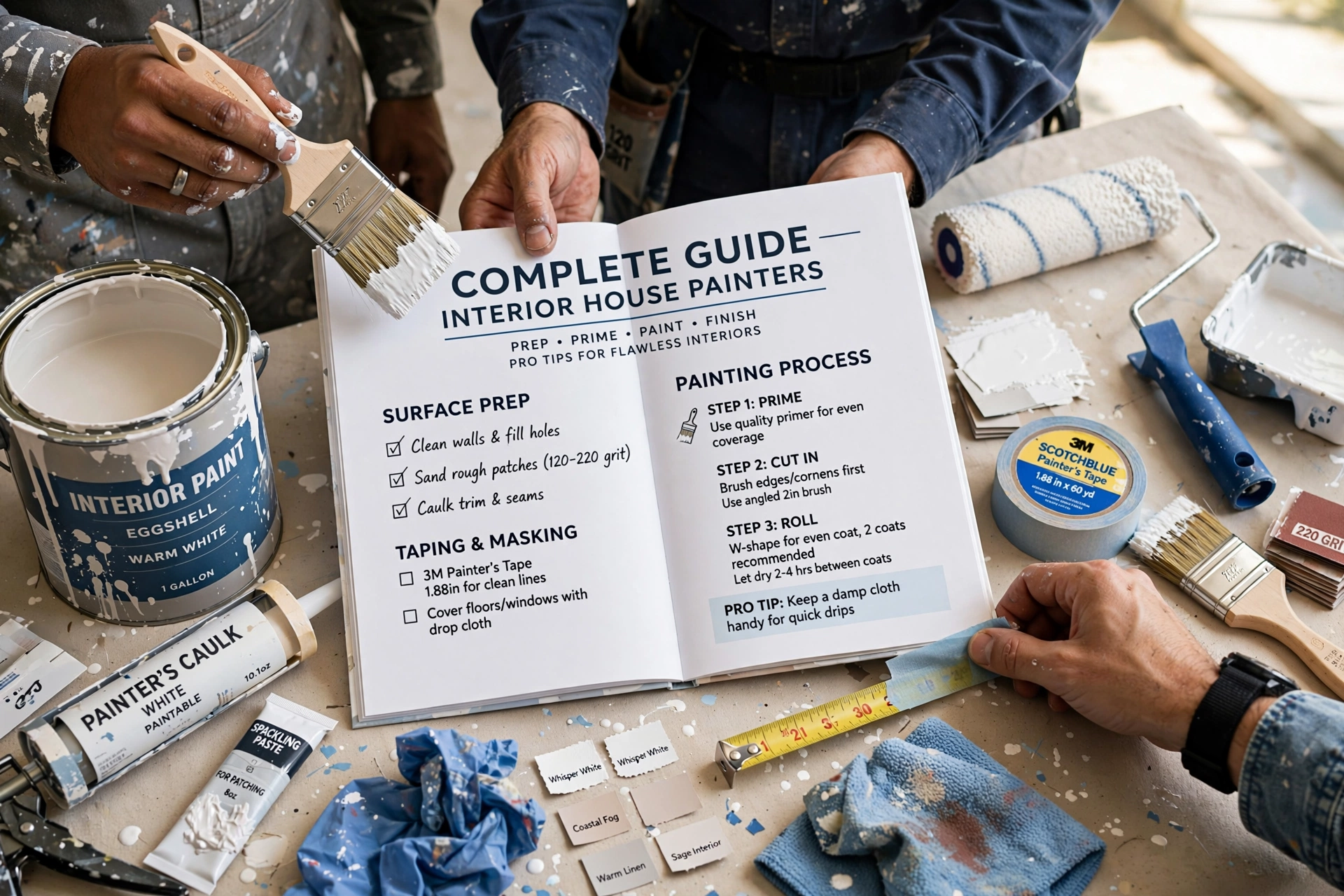
This is where the "how" becomes critical. Ask the painter: "What is your 5-step preparation process?" A quality interior specialist should mention:
- Cleaning: Removing dust and grease.
- Sanding: Creating a mechanical bond for the paint.
- Patching: Filling holes and cracks with high-quality compound.
- Caulking: Sealing gaps between trim and walls.
- Priming: Applying a sealer to prevent bleed-through.
💡
Key Takeaway
The quality of an interior paint job is decided during the preparation phase. If a contractor spends less than 30% of their total project time on prep, the final result will likely fail prematurely.
Step 4: Material Specification
A professional will not just ask "what color do you want?" They will suggest specific product lines. For example, they might recommend Sherwin-Williams for high-durability emulsions in kitchens or Benjamin Moore for their superior color depth in living rooms. If a painter suggests the cheapest possible contractor-grade paint for a high-end interior, they are prioritizing their profit margin over your home's longevity.
Comparing Interior Painter Types: Which One Do You Need?
To help you decide, I have mapped out the typical professional landscape. Most homeowners struggle to distinguish between a "painter" and a "specialist." Use this table to align your project goals with the correct professional.
| Painter Type | Primary Focus | Pros | Cons | Best For |
|---|---|---|---|---|
| General Residential | Standard wall/ceiling coverage | Cost-effective, fast turnaround | Limited specialty finishes | Guest rooms, hallways, basic refreshes |
| Fine-Finish Specialist | Trim, doors, and cabinetry | Factory-smooth finish, high precision | Higher cost, slower process | Kitchen cabinets, high-end molding |
| Lead-Safe Professional | Pre-1978 home remediation | Safety compliance, toxic dust control | More expensive due to safety gear | Historic Bay Area homes, old Victorians |
| Commercial/Multi-Family | Large scale, durable coatings | Efficiency, heavy-duty materials | Not focused on "artistic" detail | Apartments, offices, Multi-Family Painters Niles - Fremont, CA |
| Decorative Artist | Faux finishes, murals, plasters | Unique aesthetic, high luxury | Very high cost, long timelines | Accent walls, luxury estates, art pieces |

Common Questions & Misconceptions about Interior Painting
Most guides on "how to hire a painter" get it wrong by focusing on the price per square foot. In the Bay Area, pricing is a secondary metric; the primary metric is the "failure rate" of the application.
Myth 1: "All paint is the same as long as the color matches."
This is a dangerous misconception. Paint is a chemical compound. Using a flat paint in a bathroom will lead to mildew and peeling because it lacks the moisture-resistant resins found in semi-gloss or specialized kitchen/bath paints. A professional will insist on the correct "sheen" for the specific room's humidity levels.
Myth 2: "You don't need a primer if the wall is already painted."
This is the most common mistake I see. If you are moving from a dark color to a light color, or from an oil-based paint to a water-based paint, you MUST use a transition primer. Without it, the old color will "ghost" through the new layer, or the new paint will peel off in sheets because it cannot bond to the old surface.
Myth 3: "A quick 'splash and dash' is fine for rental properties."
Many landlords opt for the fastest, cheapest type of interior painter to get a unit on the market. However, according to industry standards, using low-grade paint in rentals leads to more frequent repainting cycles. Investing in a professional Multi-Family Painters Mission San Jose - Fremont, CA service that uses high-scrubbability coatings actually saves money over a 3-year period by reducing the need for touch-ups.
Myth 4: "DIY painting is always cheaper."
When you factor in the cost of high-end drop cloths, professional-grade brushes, painters' tape, and the time spent on prep, DIY is often more expensive—especially when you have to pay a professional to fix the mistakes. A professional painter has an "economy of scale" with materials that a homeowner cannot match.
Frequently Asked Questions
How do I know if I need a lead-safe certified painter versus a general painter?
If your home was constructed before 1978, you should always start with a lead test. According to the Environmental Protection Agency (EPA), lead-based paint is common in older homes and can be hazardous when disturbed. A general painter might simply sand the walls, releasing microscopic lead dust into your HVAC system. A lead-safe certified professional uses specialized containment and HEPA filtration to ensure your family isn't exposed to neurotoxins during the renovation process.
What is the difference between a "brush and roller" finish and a "spray" finish?
A brush and roller finish is the standard for most interior walls; it provides a textured, organic look and is highly durable. A spray finish, typically used by fine-finish specialists, involves atomizing the paint through a high-pressure gun. This creates a perfectly smooth, mirror-like surface without any brush marks. This is essential for cabinetry and high-end trim, but it requires significantly more masking and protection of the rest of the room to prevent "overspray" from landing on floors or furniture.
How long does a professional interior paint job actually take for a standard home?
For a typical 3-bedroom home in the Bay Area, a professional process takes significantly longer than a DIY attempt. While a DIYer might paint the walls in a weekend, a professional specialist spends the first 2-3 days purely on preparation—sanding, caulking, and priming. The actual painting may only take another 2 days. In total, expect a 5-to-7-day window. This ensures the paint has the correct cure time and the surface is perfectly prepped, preventing the peeling issues associated with rushed jobs.
Why is there such a wide price gap between different types of interior house painters?
The price gap is driven by three factors: certification, equipment, and materials. A lead-safe specialist has to invest in expensive containment equipment and disposal fees. A fine-finish specialist uses high-VOC industrial lacquers and specialized spray booths. A generalist uses basic rollers and acrylics. You are not just paying for the "labor" of moving a brush; you are paying for the technical expertise to ensure the paint doesn't fail and the insurance that protects your property from damage.
Can one company handle both the interior and exterior of my Bay Area home?
Yes, and it is generally recommended. A company like World Pro Painting that handles both understands the "envelope" of your home. For example, if they are performing Exterior Painting in Birch Grove, Newark, CA (2026), they can identify moisture intrusion points that might be causing the interior paint to bubble or peel. Having a single point of accountability ensures that the interior color palette complements the exterior aesthetic and that the building's overall moisture barrier is intact.
Final Thoughts on Choosing the Right Interior Painter
Selecting from the various types of interior house painters requires moving past the "cheapest bid" mentality. Whether you are refreshing a historic Victorian in San Francisco or upgrading a modern condo in Fremont, the technical requirements of your surfaces dictate the professional you need. From the safety protocols of lead-certified experts to the precision of fine-finish technicians, the right specialist protects your health and your home's equity.
If you are unsure which level of expertise your project requires, the best first step is a professional diagnostic. At World Pro Painting, we provide comprehensive on-site evaluations to determine the exact state of your substrates and the best materials for your specific Bay Area microclimate.
Don't let a "budget" paint job become a costly restoration project. Invest in quality preparation and professional expertise to ensure your interior lasts for years to come.
For a free on-site estimate and a professional consultation on the best painting approach for your home, visit World Pro Painting today. For more information on how to maximize your home's value, check out our guide on How to Use California Bay Area Painting for long-term results.
Commercial Painting Cost Calculator & Color Guide
Get an instant estimation checklist for painting your office, warehouse, or house. Learn how to choose colors that boost productivity.