

📖This article is part of the complete guide to Interior House Painters.
How to Choose Interior House Painters for a Flawless Finish
Hiring the wrong professional often leads to "orange peel" textures, visible lap marks, and the nightmare of paint splatters on hardwood floors. To avoid these pitfalls, you must evaluate contractors based on three non-negotiable pillars: verified licensing, a documented preparation process, and a portfolio of local Bay Area projects. Understanding how to choose interior house painters requires looking past the lowest bid and focusing on the technical specifications of the surface preparation and the quality of the materials proposed.
For those managing larger residential complexes, finding specialized Multi-Family Painters in Weibel - Fremont, CA can ensure that consistent quality is maintained across dozens of units simultaneously.
What Defines a Professional Interior Painting Standard?
A professional interior paint job is not defined by the act of applying color to a wall, but by the science of adhesion and surface integrity. Most homeowners mistake "painting" for the final coat, but the actual value of a licensed contractor lies in the 80% of the work that happens before the brush ever touches the wall. This includes meticulous cleaning, sanding, caulking, and the application of the correct primer for the specific substrate.
📚
Definition
Substrate refers to the underlying surface being painted, such as drywall, plaster, wood, or masonry. The chemistry of the paint must be compatible with the substrate to prevent peeling and bubbling.
In my experience working with high-end homes in the San Francisco Bay Area, the most common failure point is the omission of a high-quality primer on patched drywall. When a contractor skips this step, the "flash-through" effect occurs, where the patched areas absorb paint differently than the rest of the wall, leaving dull spots. A true professional will explain exactly which primer they are using—whether it is a water-based acrylic or an oil-based sealer—based on the condition of your walls.
According to the Painting Contractors Association (PCA), the longevity of an interior finish is directly proportional to the quality of the surface preparation. Failure to remove dust and oils from a surface can reduce the bond strength of the paint by over 50%, leading to premature chipping in high-traffic areas like hallways and kitchen entryways. When interviewing candidates, ask them to describe their "prep sequence." If they simply say they "wipe the walls," they are not following professional industry standards.

Why Selecting the Right Contractor Impacts Your Home's Value
Choosing a cut-rate painter might save a few hundred dollars upfront, but the long-term financial implications are often severe. Poorly executed interior painting can actually decrease a home's perceived value during an appraisal or sale. Professional painting is a capital improvement; amateur painting is a liability that requires remediation.
The risks extend beyond aesthetics. In older Bay Area homes, particularly those in San Francisco or Oakland, the risk of disturbing lead-based paint is high. An unlicensed contractor may not follow the safety protocols required to protect your family from toxic dust. The Environmental Protection Agency (EPA) mandates strict RRP (Renovation, Repair, and Painting) rules for homes built before 1978. A certified contractor ensures that lead-safe work practices are implemented, preventing hazardous contamination of your living space.
Furthermore, the cost of "fixing" a bad paint job is typically 1.5x to 2x the cost of doing it right the first time. This is because the new contractor must first scrape, sand, and potentially skim-coat the entire surface to remove the previous errors before they can apply a fresh coat. Data from real estate trends suggests that a fresh, professionally painted interior using a neutral, modern palette can increase a home's selling price by 3% to 5%, provided the finish is flawless.
If you are considering a full home refresh, you might also look into Exterior Painting in Lakeside, Newark, CA: for 2026 to ensure your property's curb appeal matches the interior quality.
Step-by-Step Guide: How to Vet and Hire Your Interior Painter
Navigating the hiring process requires a systematic approach. Do not rely on a single recommendation; instead, use a weighted checklist to compare candidates.
Step 1: Verify Credentials and Insurance
Start by checking the California Contractors State License Board (CSLB). A legitimate contractor must have a valid license to perform work over $500. Visit the CSLB website to ensure their license is active and that there are no outstanding disciplinary actions or unresolved complaints. Beyond the license, demand a Certificate of Insurance (COI) that includes both general liability and workers' compensation. If a worker is injured in your home and the contractor isn't insured, you could be held legally responsible for the medical costs.
Step 2: Analyze the Written Estimate
Avoid "ballpark" figures given over the phone. A professional estimate should be itemized. It must include:
- The exact brand and line of paint (e.g., Sherwin-Williams Emerald or Benjamin Moore Aura).
- The number of coats specified for each area.
- The specific preparation steps (e.g., "Fill all nail holes, sand smooth, caulk baseboards").
- The timeline for completion and the daily work schedule.
Step 3: Evaluate Local Experience and Portfolio
Ask for references from projects completed within the last six months in your specific city. Painting a home in the humid coastal air of San Francisco requires different considerations than painting a home in the drier heat of the Tri-Valley. At World Pro Painting, we emphasize the importance of matching the paint chemistry to the local microclimate to prevent moisture trapping and mildew growth.
Step 4: Discuss the Clean-up Protocol
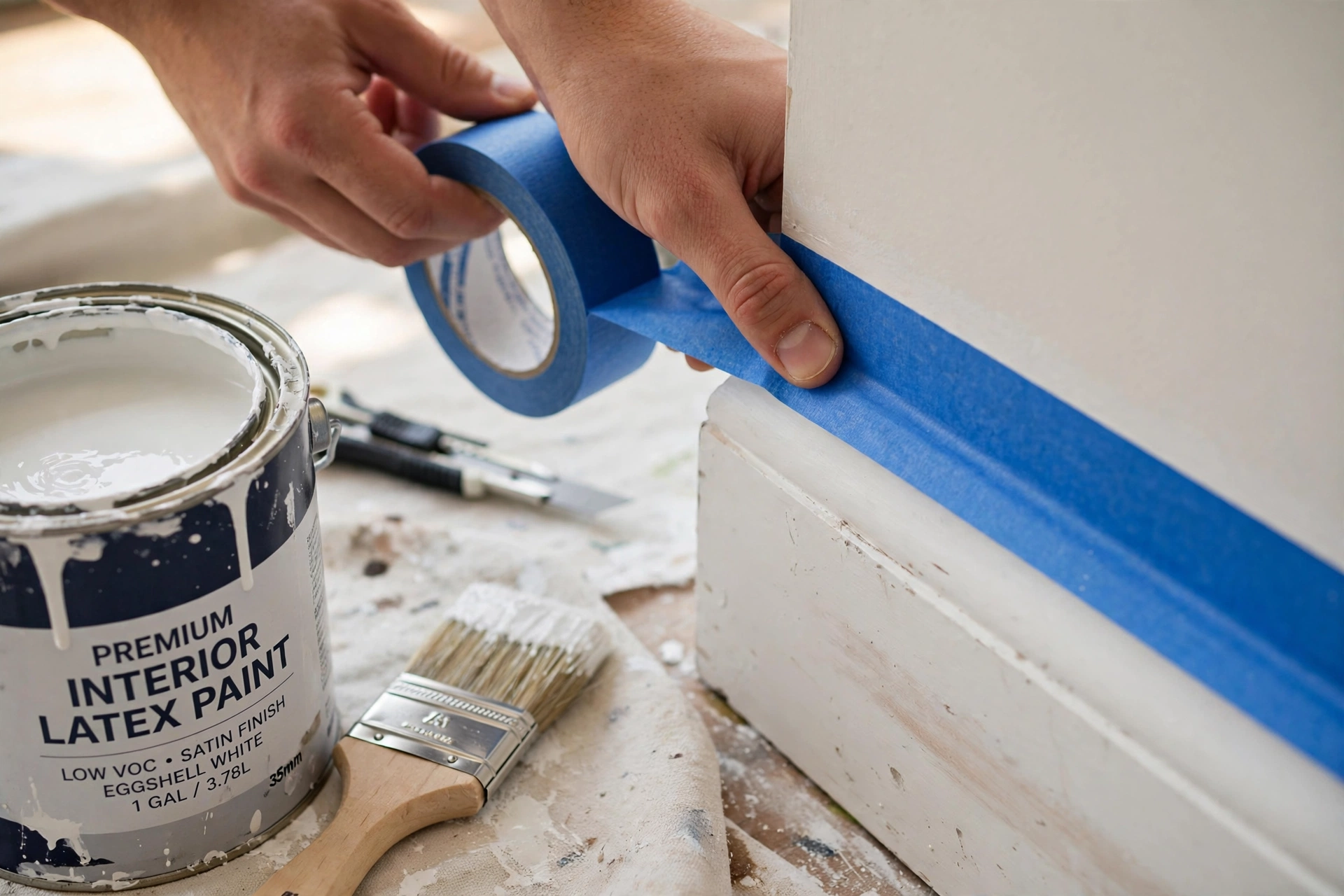
Interior painting is invasive. Ask specifically how they protect your belongings. Do they use professional-grade drop cloths, or just old bedsheets? Do they use painter's tape to protect trim, or do they "cut in" by hand and hope for the best? A top-tier contractor will leave your home cleaner than they found it.
💡
Key Takeaway
Never sign a contract that does not explicitly list the paint brand and the number of coats. "Two coats" is the industry standard for a professional finish; anything less is a shortcut that will result in poor coverage and uneven color.
For those overseeing large-scale residential upgrades, utilizing Multi-Family Painters Brookvale - Fremont, CA can provide the logistical scale needed for complex interior projects.
Comparing Your Hiring Options
When deciding who to hire, you generally face three paths. The choice depends on your budget, the complexity of the architecture, and your tolerance for risk.
| Feature | DIY Approach | Low-Cost "Handyman" | Professional Contractor |
|---|---|---|---|
| Surface Prep | Basic/Skipped | Minimal/Surface level | Comprehensive (Sand/Prime/Caulk) |
| Material Quality | Consumer grade | Budget/Contractor grade | Premium (Sherwin-Williams/Benjamin Moore) |
| Warranty | None | Verbal "I'll fix it" | Written Multi-Year Guarantee |
| Risk Level | High (Mistakes) | Moderate (Quality issues) | Low (Insured/Licensed) |
| Best For | Simple accent walls | Minor touch-ups | Full home renovations |
Now, here's where it gets interesting: many homeowners choose the "handyman" route to save 30% on the initial quote. However, when you factor in the cost of buying the wrong paint (which often requires more coats for coverage) and the time spent managing an unorganized worker, the "savings" evaporate. A professional service like World Pro Painting optimizes the process through specialized equipment and high-solids paints that provide superior hide in fewer passes.

Common Misconceptions About Interior Painting
Most guides get this wrong by suggesting that "more paint equals better quality." This is a fallacy. In reality, applying too many coats of paint can lead to "edge buildup" and a loss of detail in the architectural trim.
Myth 1: "The cheapest quote is the best value."
In the painting industry, the lowest bid almost always indicates a compromise in preparation. A low-cost painter saves money by skipping the sanding phase or using a cheaper, lower-pigment paint that requires more labor to cover. This results in a finish that peels within two years rather than lasting a decade.
Myth 2: "All white paints are the same."
This is a dangerous assumption. There are thousands of variations of white, ranging from cool-toned (blue/grey undertones) to warm-toned (yellow/red undertones). A professional contractor will help you understand how the natural light in your specific Bay Area neighborhood—whether it's the grey mist of SF or the bright sun of San Jose—will shift the color of the paint.
Myth 3: "You don't need primer if you're using 'Paint + Primer' products."
While "2-in-1" products are convenient for minor refreshes, they are rarely a substitute for a dedicated primer when dealing with stained wood, new drywall, or dramatic color changes. Professional-grade primers create a chemical bond that "Paint + Primer" products simply cannot match.
Frequently Asked Questions
How do I know if a painter is charging a fair price for interior work?
A fair price is based on the square footage of the walls and the level of preparation required, not a flat hourly rate. In the Bay Area, pricing varies based on the complexity of the trim and the height of the ceilings. You should seek at least three itemized quotes. If one quote is significantly lower than the others, it is a red flag that the contractor is skipping essential steps like sanding or priming. A professional will justify their price by detailing the specific premium materials and the multi-step preparation process they employ to ensure a long-lasting finish.
Should I buy the paint myself or let the contractor provide it?
It is almost always better to let the licensed contractor provide the paint. Professional painters have access to "contractor-grade" premium lines from brands like Sherwin-Williams and Benjamin Moore that are not available to the general public. These paints have higher pigment concentrations and better resins for durability. Additionally, if the contractor provides the paint, they are responsible for the warranty. If you provide the paint and it peels, the contractor can claim the failure was due to the product quality, voiding your labor guarantee.
How long should a professional interior paint job take?
The timeline depends on the size of the project and the number of rooms. For a standard three-bedroom home, a professional crew typically takes five to ten business days. This timeline includes the necessary "dry time" between coats. Be wary of any contractor who promises to finish a whole house in two days; this usually means they are applying paint over dust or not allowing the primer to cure. Rushing the process leads to "blocking" or "blistering," where the paint fails to bond correctly to the wall.
What is the difference between a "flat" and "eggshell" finish?
The "sheen" refers to how much light the paint reflects. Flat paint has no shine and is excellent for hiding imperfections in the wall, making it ideal for ceilings or adult bedrooms. Eggshell has a very slight luster and is more durable and washable, which is why it is the gold standard for living rooms and dining areas. For high-moisture areas like kitchens and bathrooms, a semi-gloss or satin finish is required to prevent water penetration and allow for frequent scrubbing without removing the paint.
How can I ensure the painters don't damage my furniture or flooring?
The best way to ensure protection is to include a "Protection Clause" in your written contract. This clause should specify the use of heavy-duty canvas drop cloths (not plastic, which can slip and tear) and the use of professional-grade masking tape on all edges. In my experience, the most reliable contractors will spend the first half-day simply prepping the room—moving furniture to the center and sealing off every non-paint surface. If a contractor starts painting within an hour of arriving, they are not prioritizing the safety of your home.
Final Thoughts on Choosing Interior House Painters
Selecting the right team is the difference between a home that feels refreshed and a home that feels renovated. When you focus on how to choose interior house painters by prioritizing CSLB licensure, technical preparation, and material quality, you eliminate the risk of costly rework. Remember that a flawless interior finish is a result of disciplined preparation and the application of high-solids coatings.
Whether you are updating a Victorian in San Francisco or a modern estate in Fremont, the principles of professional painting remain the same: prep first, paint second. For those managing larger portfolios, we recommend exploring our specialized services for Multi-Family Painters Mission San Jose - Fremont, CA or Multi-Family Painters Niles - Fremont, CA to ensure a scalable, professional result.
If you are ready to transform your space with a team that guarantees a 6-year warranty and a meticulous 5-step preparation process, schedule your free on-site estimate with World Pro Painting today.
Visit us at worldpropainting.com to get started.
Commercial Painting Cost Calculator & Color Guide
Get an instant estimation checklist for painting your office, warehouse, or house. Learn how to choose colors that boost productivity.