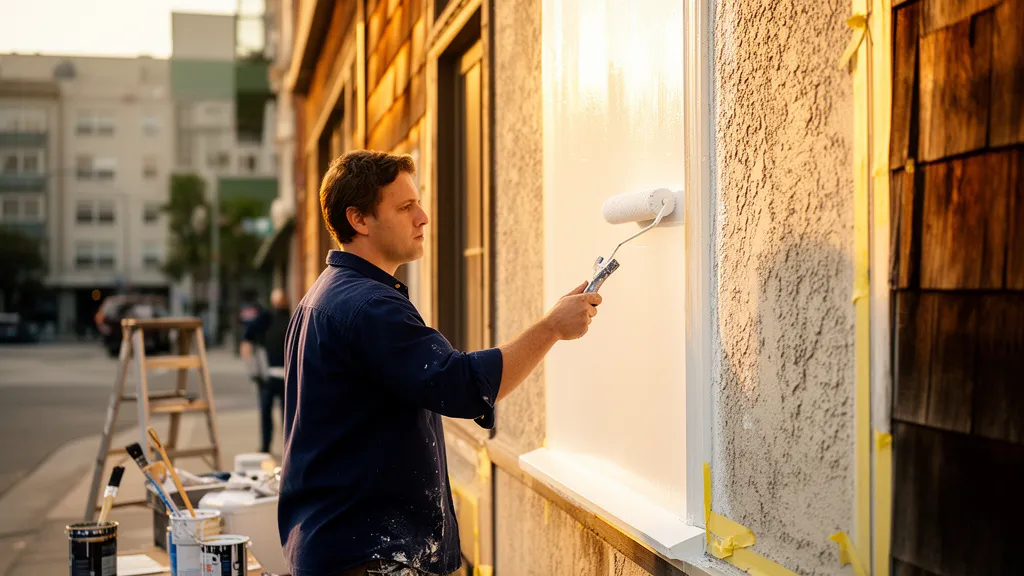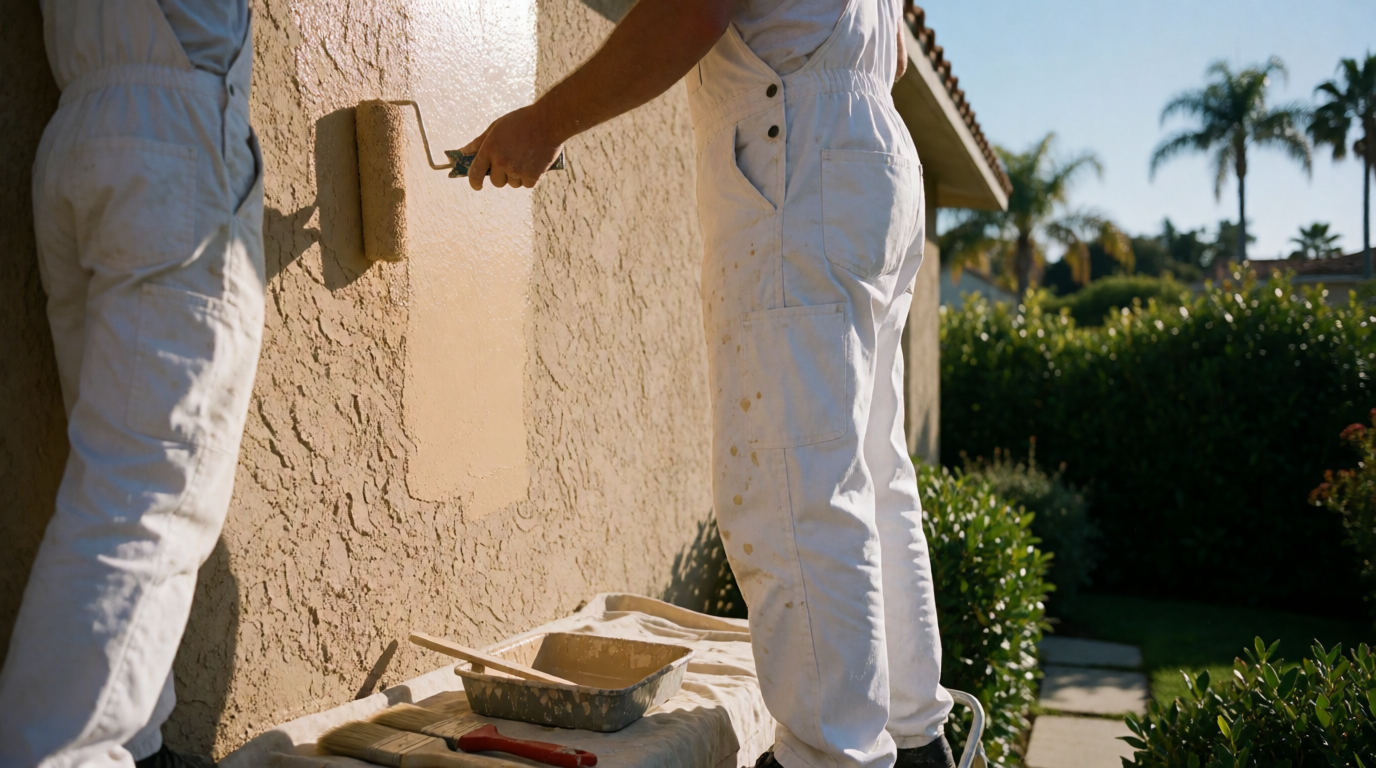

If you're planning to paint your home in 2026, understanding the best practices can mean the difference between a finish that lasts 15 years and one that starts peeling within two. In this guide, we'll walk through the essential steps and techniques that professional painters use to deliver outstanding results. Whether you're a DIY enthusiast or evaluating contractors, these
house painting best practices part 1 insights will set you up for success.For comprehensive context, see our House Painting Best Practices Part 1 pillar guide.

What is House Painting Best Practices Part 1?
📚
Definition
House painting best practices part 1 refers to the foundational techniques and standards that ensure a high-quality painted finish, including surface preparation, material selection, proper application, and safety protocols.
Professional painters know that the finish coat is only as good as the preparation beneath it. These best practices cover everything from choosing the right paint for your climate — especially important in the California Bay Area, where microclimates vary from cool coastal fog in San Francisco to dry heat in Livermore — to the specific steps required to prepare different surfaces like stucco, wood, and drywall. According to the Paint Quality Institute, proper surface preparation accounts for 70% of paint longevity. In my experience working with hundreds of Bay Area homes, I've seen too many jobs fail because homeowners skipped the cleaning or priming step. A well-prepared surface not only looks better but also prevents costly repaints down the line. For a deeper dive into preparation, check out our Deck Staining Best Practices Part 1 guide, which covers similar principles for wood surfaces.
Why Proper House Painting Best Practices Matter
Adhering to proven best practices isn't just about aesthetics; it impacts durability, maintenance, and even property value. A 2023 study by the Paint Quality Institute found that proper surface preparation extends paint life by 5 to 10 years compared to skipping steps. For Bay Area homeowners, the right approach also protects against moisture intrusion, UV damage, and temperature fluctuations that cause expansion and contraction. A well-executed paint job can increase curb appeal and resale value significantly—real estate agents often cite a fresh paint job as one of the highest-ROI home improvements. According to a report by Remodeling magazine, a new exterior paint job recoups approximately 55% of its cost at resale. Beyond financial value, a quality paint job reduces ongoing maintenance—peeling, cracking, and fading are minimized when you follow best practices. When we built our prep process at World Pro Painting, we discovered that 90% of callbacks were due to preparation failures, not paint quality. That's why we insist on a thorough 5-step prep process. For more on how this applies to commercial properties, see our Commercial Painting in Irvington - Fremont, CA guide.
How to Prepare for a House Painting Project
Preparation is the most critical phase of any painting project. Here are the steps professionals follow, based on our experience at World Pro Painting:
- Clear the area: Move furniture away from walls, cover floors with durable drop cloths (canvas is best), and remove wall fixtures like outlet covers and curtain rods. This protects belongings and gives you unobstructed access.
- Clean the surface: For exteriors, power wash to remove dirt, mildew, and loose paint. Use a pressure washer set to 1,500–2,000 PSI, and let surfaces dry 24 hours. For interiors, wash walls with a mild degreaser (TSP substitute) to remove grease and grime. Rinse thoroughly.
- Repair defects: Fill holes, cracks, and joints with a quality spackle or exterior-grade filler. For larger gaps, use caulk. Let it dry, then sand smooth to match the surrounding surface. This step is vital for a flawless finish.
- Scrape and sand: Remove loose peeling paint with a scraper, then sand glossy surfaces with 120-grit sandpaper to create tooth for adhesion. Pay attention to edges and corners.
- Prime: Apply a high-quality primer appropriate for your surface. Primer seals stains, improves adhesion, and ensures color uniformity. For new drywall, use a drywall primer; for wood, use an oil-based or stain-blocking primer. Skipping primer is a common mistake that leads to peeling and color bleed.
Each step is crucial. Skipping cleaning or priming often leads to premature failure—I've seen paint peel off within months because of dusty surfaces. For exterior projects, our Exterior Painting Cupertino, CA guide offers detailed climate-specific tips.
Best Practices for Choosing Paint and Materials
Selecting the right materials is a key component of
house painting best practices part 1. Use top-tier brands like Sherwin-Williams or Benjamin Moore for superior pigmentation and durability. For exteriors, acrylic latex paints offer flexibility and breathability—essential for Bay Area microclimates. For interiors, low-VOC paints improve indoor air quality, especially important for bedrooms and nurseries. According to the EPA, indoor air can be 2-5 times more polluted than outdoor air, so choosing low-VOC products is a health-conscious choice.Don't forget the tools: quality brushes and rollers minimize streaks and ensure even coverage. Use angled sash brushes for trim and 3/8-inch nap rollers for smooth walls. For textured surfaces, a thicker nap (½ inch) is better. Invest in a durable roller frame and extension pole to reach high ceilings without strain. Many DIYers underestimate the impact of cheap tools—they leave bristles, shed lint, and create uneven textures. Remember, the paint is only as good as the applicator. For specialty projects like cabinets, check our Cabinet Refinishing Best Practices Part 3 for advanced techniques.
Application Techniques Used by Professionals
Even with the best paint, poor application ruins results. Professional techniques include:
- Cutting in: Paint edges and corners with a brush before rolling the main area. This prevents roller marks from overlapping onto trim. Use a high-quality angled sash brush and load it with paint about halfway up the bristles.
- Roll in a "W" pattern: Start by rolling a large "W" shape on the wall, then fill it in with parallel strokes. This distributes paint evenly and prevents roller marks. Avoid pressing too hard—let the roller do the work.
- Maintain a wet edge: Work from wet paint into dry to avoid lap marks. This means painting an entire wall section without stopping, or if you must pause, feather the edge. For large walls, use a roller extension and work systematically.
- Apply thin coats: Two thin coats are better than one thick coat, which can drip, sag, and crack. Allow each coat to dry thoroughly (2-4 hours for latex) before applying the next. Thin coats also hide brush marks better.
💡
Key Takeaway
Proper application technique is just as important as paint quality. Cutting in, maintaining a wet edge, and using thin coats are non-negotiable for a professional finish.
For specific room applications, see our Bedroom Painting guide for tailored advice.
House Painting vs Alternative Surface Finishes
While painting is the most common finish, alternatives like wallpaper, wood paneling, or stucco offer different aesthetics. However, painting remains the most cost-effective and versatile option. It's easier to update, repair, and customize. For high-moisture areas, specialized paints like epoxy or enamel outperform wallpaper or untreated wood. Below is a comparison of common surface finishes:
| Finish | Cost | Durability | Maintenance | Best For |
|---|---|---|---|---|
| Paint (latex) | Low-Moderate | 10-15 years | Low | Most interior/exterior surfaces |
| Wallpaper | Moderate | 5-10 years | Moderate | Accent walls, decorative patterns |
| Wood paneling | High | 20+ years | Moderate | Rustic, traditional interiors |
| Stucco (exterior) | Moderate-High | 30+ years | Low | Mediterranean, modern homes |
| Epoxy (garage) | Moderate | 10-15 years | Low | Floors, high-traffic areas |
Paint offers the best balance of cost, longevity, and flexibility. For garage floors, our Epoxy Floor Coatings in Birch Grove, Newark, CA guide provides details.
Best Practices for Interior Painting
Interior painting requires attention to detail:
- Prime all new drywall to prevent uneven absorption and flashing. Use a drywall primer that seals the paper surface.
- Use painter's tape for crisp edges on trim and ceilings. Apply the tape, press down firmly, and remove it while the paint is still slightly wet to avoid peeling.
- Remove outlet covers and tape switches for a clean look. This prevents paint buildup on switches.
- Allow proper drying time between coats (2-4 hours for latex). In humid conditions, extend drying time. Use fans to improve air circulation.
- Back-roll when using a sprayer to ensure adhesion and even texture. This is common for large areas like new construction.
For a complete interior transformation, see our Interior Painting Belmont CA guide.
Best Practices for Exterior Painting
Exteriors face harsher conditions, so steps differ:
- Check weather forecast: Paint when temps are between 50-85°F and humidity is low. Avoid painting in direct sunlight or before rain. In the Bay Area, summer and early fall are ideal.
- Caulk all gaps around windows, doors, and joints to prevent moisture entry. Use a high-quality exterior caulk that remains flexible.
- Use exterior-grade primer and paint formulated for your surface (wood, stucco, brick). For stucco, use elastomeric paint to bridge hairline cracks.
- Apply two coats for durability; third coat on south- and west-facing walls that get intense sun. UV exposure degrades paint faster on these elevations.
- Mask off non-painted surfaces like windows, lights, and hardware. Use plastic sheeting and tape to protect landscaping.
For more on exterior projects, read our Exterior Painting Menlo Park, CA guide.
Common Mistakes to Avoid
Even experienced DIYers make these errors:
- Skipping primer — leads to poor adhesion and color bleed. Always prime when changing colors dramatically or painting over bare surfaces.
- Overloading the roller — causes drips and uneven texture. Dip the roller into the tray and roll out excess on the ramp.
- Painting over dirty surfaces — finishes fail prematurely. Clean walls thoroughly; even dust can cause poor adhesion.
- Ignoring temperature limits — paint can blister or not cure. Follow manufacturer recommendations.
- Using cheap brushes — leaves bristles and streaks. Invest in quality brushes with synthetic bristles for latex paint.
- Not protecting surroundings — paint splatters on floors and furniture cost time to clean. Use drop cloths and tape thoroughly.
In my experience, the most common mistake is rushing. Homeowners often want to finish in a weekend, but proper prep and drying times are non-negotiable. Patience pays off with a finish that lasts years.
Frequently Asked Questions
How long does it take to paint a house?
The timeline depends on the size and scope. For a typical 2,000 sq ft home interior, professional crews take 2-4 days including prep and drying time. Exteriors can take 3-7 days depending on weather and surface condition. Rushing the process often compromises quality. For a ballpark, expect one day for prep, one day per coat for interiors, plus drying time. A thorough job is worth the wait.
What is the best paint sheen for each room?
Flat or matte finishes are ideal for low-traffic areas and ceilings because they hide imperfections. Eggshell and satin are popular for living rooms and bedrooms — easy to clean without glare. Semi-gloss and gloss are best for trim, kitchens, and bathrooms due to their durability and moisture resistance. For high-moisture rooms, semigloss enamel stands up to cleaning and humidity.
Should I prime before painting?
Yes, in most cases. Primer provides adhesion, seals stains, and ensures true color. You should especially prime if you're painting over dark colors, new drywall, bare wood, or surfaces previously painted with gloss finishes. Self-priming paints are convenient but often still require a separate primer for best results. For example, painting over a deep red with a light beige without primer may require four coats instead of two.
How do I choose the right color for my home?
Consider the architectural style, existing fixed elements (roof, brick), and neighborhood context. In the Bay Area, popular exterior colors include warm grays, creamy whites, and earthy tones that complement the natural landscape. For interiors, test large swatches on walls and observe them in different lighting conditions before committing. Use sample pots and paint 2x2 foot sections. Professional color consultations can help avoid costly mistakes. At World Pro Painting, our color experts guide you through the process.
What should I look for when hiring a painting contractor?
Look for a licensed, bonded, and insured contractor like World Pro Painting (CSLB #1142478). Ask for detailed estimates that outline prep work, paint brands, number of coats, and timeline. Check reviews on platforms like Google and Houzz, and ask for references. A reputable contractor will offer a guarantee — World Pro Painting stands behind its work with a 6-Year Guarantee and 100% satisfaction guarantee. Avoid contractors who provide vague estimates or require large upfront payments. For more tips, see our Multi-Family Painters Brookvale - Fremont, CA guide.
How can I ensure my paint lasts as long as possible?
Proper surface preparation is key — clean, repair, and prime before painting. Use high-quality paints from brands like Sherwin-Williams or Benjamin Moore. Apply at least two coats, and maintain a regular cleaning schedule. For exteriors, wash walls annually to remove dirt and mildew, and touch up any chips promptly. Scheduled inspections every few years can catch issues early. Following these steps, a paint job can last 10-15 years.
Conclusion
Mastering
house painting best practices part 1 is the foundation of any successful painting project. From thorough preparation and quality materials to professional application techniques, each step contributes to a finish that enhances your home's beauty and value. Whether you decide to tackle the job yourself or hire experts, these guidelines will help you achieve lasting results. For comprehensive context, revisit our House Painting Best Practices Part 1 pillar guide.For those who prefer a hassle-free experience with guaranteed quality, trust World Pro Painting. Our teams follow every step of these best practices, using premium Sherwin-Williams and Benjamin Moore paints, to deliver exceptional outcomes. Serving 42 cities across the Bay Area, we bring expertise and precision to every project. Ready to transform your home? Visit World Pro Painting for your free estimate today.
About the Author
World Pro Team is the CEO & Founder of World Pro Painting, a licensed, bonded, and insured painting company serving 42 cities across the California Bay Area. With over 20 years of experience in residential, commercial, and specialty painting, the team intimately understands the best practices that deliver lasting results. At World Pro Painting, every project is backed by a 6-Year Guarantee and a commitment to quality that starts with preparation.
Commercial Painting Cost Calculator & Color Guide
Get an instant estimation checklist for painting your office, warehouse, or house. Learn how to choose colors that boost productivity.