

📖This article is part of the complete guide to Interior House Painters.
How to Choose the Best Interior Painting Professionals for Your Home
The difference between a flawless interior finish and a peeling disaster usually comes down to the preparation phase, not the paint itself. In my experience working with hundreds of Bay Area homeowners, the most expensive mistake is hiring based on the lowest bid, only to realize the "professional" skipped the sanding and caulking phases. Finding the top interior house painters options requires a systematic approach: verifying the CSLB license, analyzing the specific paint chemistry suited for your room's humidity, and demanding a detailed 5-step preparation plan. To get a professional result, you must look for contractors who prioritize surface integrity over speed, ensuring that every wall is primed and sealed before the first coat of color is applied.
For those managing larger properties, exploring specialized Multi-Family Painters in Weibel - Fremont, CA can provide a blueprint for how scalable professional painting should be handled across multiple units.
What Defines the Top Interior House Painters Options?
When we talk about "top-tier" painting, we aren't discussing the ability to move a brush across a wall; we are discussing a mastery of substrate science. A professional interior paint job is an exercise in chemistry and geometry. The top options in the market differentiate themselves through their commitment to "Surface Engineering," which involves identifying the exact type of existing paint (oil vs. latex) and applying the correct bonding agent to prevent delamination.
📚
Definition
Delamination occurs when a new layer of paint fails to adhere to the previous layer, causing it to peel or flake off in sheets, often due to the application of water-based paint over an uncoated oil-based surface.
Professional painters utilize a rigorous preparation sequence. According to the Painting Contractors Association (PCA), proper surface preparation—including cleaning, scraping, and sanding—accounts for nearly 70% of the longevity of a paint job. If a contractor tells you they can "just paint over" a stained or cracked wall without treating it, they are not a top-tier option. In the San Francisco Bay Area, where microclimates can cause significant interior humidity shifts, using a high-quality primer is non-negotiable.
Top professionals also stay compliant with California's strict environmental laws. This means using Low-VOC (Volatile Organic Compounds) paints that meet BAAQMD standards to ensure that your indoor air quality isn't compromised. I've seen too many "budget" painters use outdated, high-solvent paints that leave a chemical smell in a bedroom for weeks. A true professional will guide you toward products like Benjamin Moore or Sherwin-Williams, explaining the specific sheen levels—from matte to semi-gloss—that fit the functional needs of each room.
Why Professional Selection Matters for Your Property Value
Choosing a mediocre painter isn't just an aesthetic risk; it is a financial liability. A poor interior paint job can actually decrease the perceived value of a home during a sale, as buyers often view sloppy paint lines or visible brush strokes as a signal that the home has been poorly maintained overall. Conversely, a professional finish creates a "turn-key" feel that justifies a higher asking price.
The financial impact is quantifiable. Research into home improvement ROI shows that professional painting provides one of the highest returns on investment per dollar spent. However, the "cost of failure" is high. According to the California Contractors State License Board (CSLB), unlicensed contractors often lack the insurance necessary to cover accidental damage to high-end flooring or furniture during a project. Hiring a licensed professional ensures that your investment is protected by bonding and liability insurance.
Beyond the money, there is the issue of durability. In high-traffic areas like kitchens and hallways, the wrong paint choice leads to "burnishing"—the shiny spots that appear when you scrub a wall. A professional will implement a specific paint schedule: eggshell or satin for living areas and semi-gloss for trim and bathrooms. When we handle projects in the Bay Area, we often see that homes in the East Bay experience different interior expansion and contraction rates than those in San Francisco due to temperature swings; professional-grade elastomeric or high-flex paints are often required to prevent hairline cracks in the drywall.
If you are considering a total home refresh, you might also look into Exterior Painting in Lakeside, Newark, CA: for 2026 to ensure your home's curb appeal matches its interior sophistication.
Practical Application: How to Execute an Interior Painting Project
If you want the best results, you should follow a structured project management approach. Whether you are doing it yourself or hiring World Pro Painting, the process must follow these five non-negotiable steps.
Step 1: The Comprehensive Audit
Before a single drop of paint is purchased, the walls must be audited. This includes checking for lead-based paint in older Victorian-era homes common in San Francisco. According to the Environmental Protection Agency (EPA), any home built before 1978 must be handled under the RRP (Renovation, Repair, and Painting) rule to prevent lead dust contamination. A top professional will use a lead-testing kit before they start scraping.
Step 2: Mechanical Preparation
This is where most homeowners fail. Preparation involves:
- Power Washing/Wiping: Removing dust and grease with TSP (trisodium phosphate).
- Scraping: Removing all loose or peeling paint.
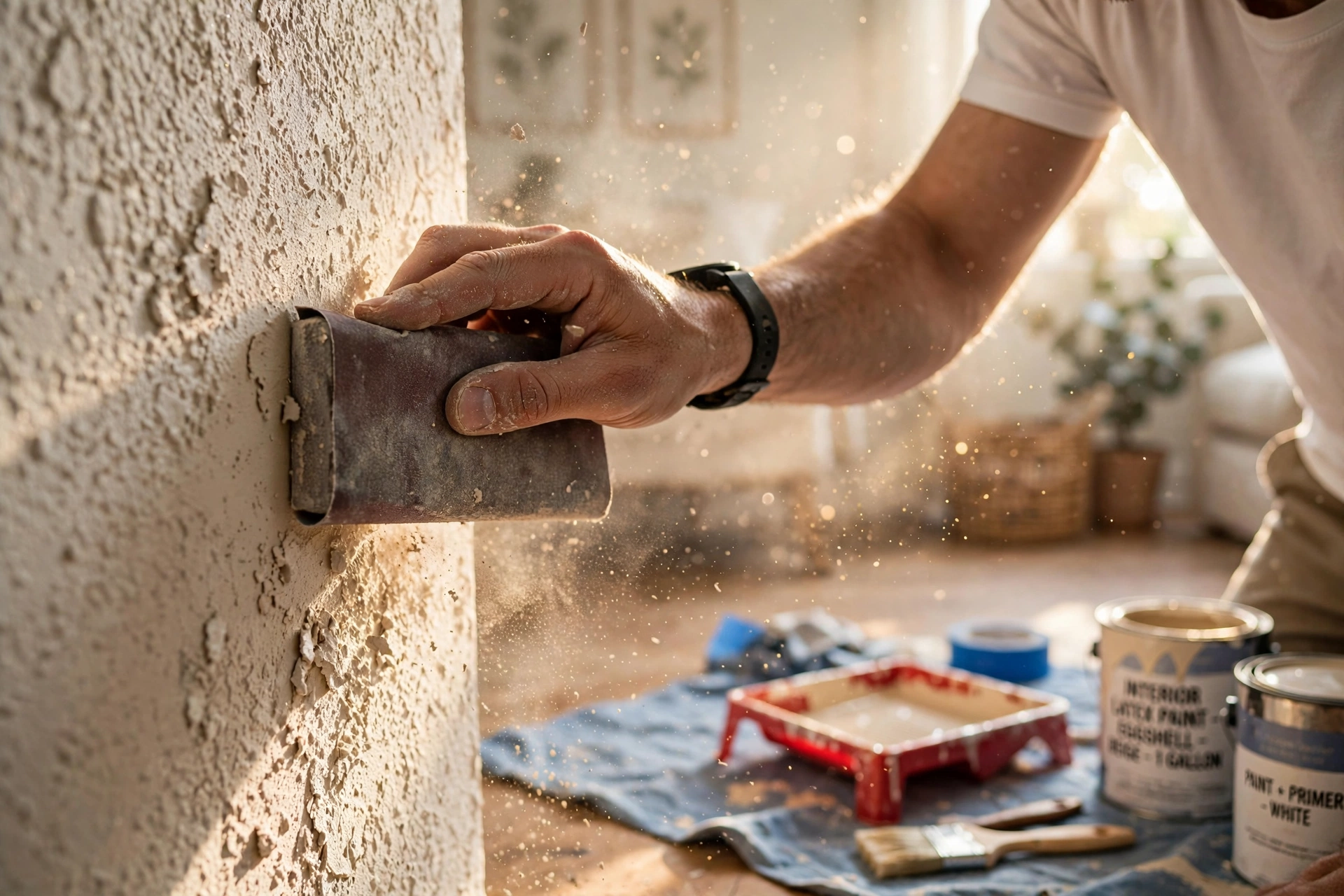
- Sanding: Scuffing the surface to create a "tooth" for the new paint to grip.
- Caulking: Filling gaps between the trim and the wall to create a seamless look.
Step 3: Priming for Adhesion
Priming is not optional. If you are changing colors drastically or painting over a glossy surface, a primer is the only way to ensure the color is uniform. A high-quality primer seals the porous surface of the drywall, meaning you use less expensive finish paint to achieve a solid color.
Step 4: Precision Application
The application should always follow the "top-down" rule: ceilings first, then walls, then trim. Professionals use a combination of spraying for large surfaces and "cutting in" with brushes for corners and edges. This prevents unsightly "picture framing" where the edges of the wall look different from the center.
Step 5: The Final Walkthrough and Cure
Paint may feel dry to the touch in an hour, but it takes weeks to fully "cure." A professional will advise you on when it is safe to lean furniture against the wall or scrub the surface.
💡
Key Takeaway
The longevity of an interior paint job is determined by the quality of the sanding and priming, not the brand of the paint. Skipping these steps leads to premature peeling and uneven color absorption.
For those who prefer a guided approach to selecting their contractor, our guide on How to Use California Bay Area Painting provides a deeper look into the regional standards we uphold.
Comparing Your Interior Painting Options
Not all painting services are created equal. To help you decide, I have broken down the three most common paths homeowners take when seeking top interior house painters options.
| Option | Pros | Cons | Best For |
|---|---|---|---|
| DIY Approach | Lowest upfront cost, complete control. | Extremely time-consuming, high risk of mistakes, no guarantee. | Small accent walls or very low-budget refreshes. |
| Budget/Handyman | Cheaper than a full firm, faster scheduling. | Often skip prep, lack of license/insurance, poor finish quality. | Rental properties or temporary flips. |
| World Pro Painting | 6-year guarantee, CSLB licensed, 5-step prep, professional color consulting. | Higher initial investment. | Homeowners wanting a permanent, high-value finish. |
When analyzing these options, remember that a "budget" painter often costs more in the long run. I've seen cases where a homeowner paid a handyman $2,000 for a living room, only for the paint to peel within 12 months. To fix it, they had to pay a professional to scrape everything back to the drywall and restart, effectively paying for the job twice.
Common Questions and Misconceptions
Most "how-to" guides on the internet get interior painting wrong because they prioritize speed over science. Here are the most common myths I encounter in the field.
Myth 1: "You only need one coat of paint if it's a high-quality brand."
This is simply false. While some "one-coat" paints exist, they rarely provide the depth of color and durability required for a professional finish. Two coats are essential because the first coat seals the surface and the second coat provides the actual hue and protection. A single coat often leaves "holidays"—small gaps where the previous color peaks through.
Myth 2: "Sanding is only necessary if the wall is bumpy."
Sanding is about adhesion, not just aesthetics. Even a smooth wall has a microscopic layer of dust and oxidized paint. Without a light sanding, the new paint sits on top of the debris rather than bonding to the wall. This is the primary reason why paint peels in sheets.
Myth 3: "Glossy paint is better for every room because it's easier to clean."
Actually, high-gloss paint reveals every single imperfection in your wall. If your drywall has the slightest ripple, a semi-gloss or gloss finish will act like a mirror, highlighting the flaw. For most bedrooms and living rooms, a flat or eggshell finish is superior because it hides imperfections and diffuses light.
If you're managing multiple units, you might find that Multi-Family Painters Brookvale - Fremont, CA offer the efficiency needed for larger-scale interior work.
Frequently Asked Questions
How do I know if an interior painter is actually licensed in California?
You should never take a contractor's word for it. The only way to verify a license is through the CSLB website. Enter their license number and ensure the status is "Active." At World Pro Painting, we proudly display our CSLB License #1142478 because it signals to the homeowner that we adhere to state regulations, carry the required insurance, and are subject to state oversight. A license isn't just a piece of paper; it is your only legal recourse if a contractor disappears halfway through a project.
Which paint sheen should I choose for a high-traffic hallway in the Bay Area?
For hallways, I always recommend a satin or eggshell finish. Flat paint is beautiful in a bedroom but impossible to clean in a hallway where people are touching the walls. A satin finish provides a slight luster and a harder "film" that resists scuffs and can be wiped down with a damp cloth without removing the pigment. In my experience, a satin finish from Sherwin-Williams provides the best balance of durability and aesthetics for the high-traffic nature of California homes.
Why is my interior paint peeling shortly after being applied?
Peeling usually happens for one of three reasons: moisture, poor adhesion, or chemical incompatibility. If the painter applied water-based latex over an old oil-based paint without using a bonding primer, the paint will peel. Another common cause in the Bay Area is painting over walls that haven't fully dried after a leak or high-humidity event. This is why we insist on a moisture test before painting any wall that has been near a window or plumbing fixture.
How long does a professional interior painting project typically take?
For a standard 3-bedroom home, a professional crew typically takes 5 to 10 business days. This timeline is necessary because of the curing process. You cannot apply a second coat until the first has dried, and you cannot paint over wet caulk. A company that promises to paint your entire home in two days is likely skipping the preparation and priming phases. At World Pro Painting, we prioritize the 5-step prep process, which ensures the 6-year guarantee we provide to our clients.
What is the best way to choose a color that works with Bay Area light?
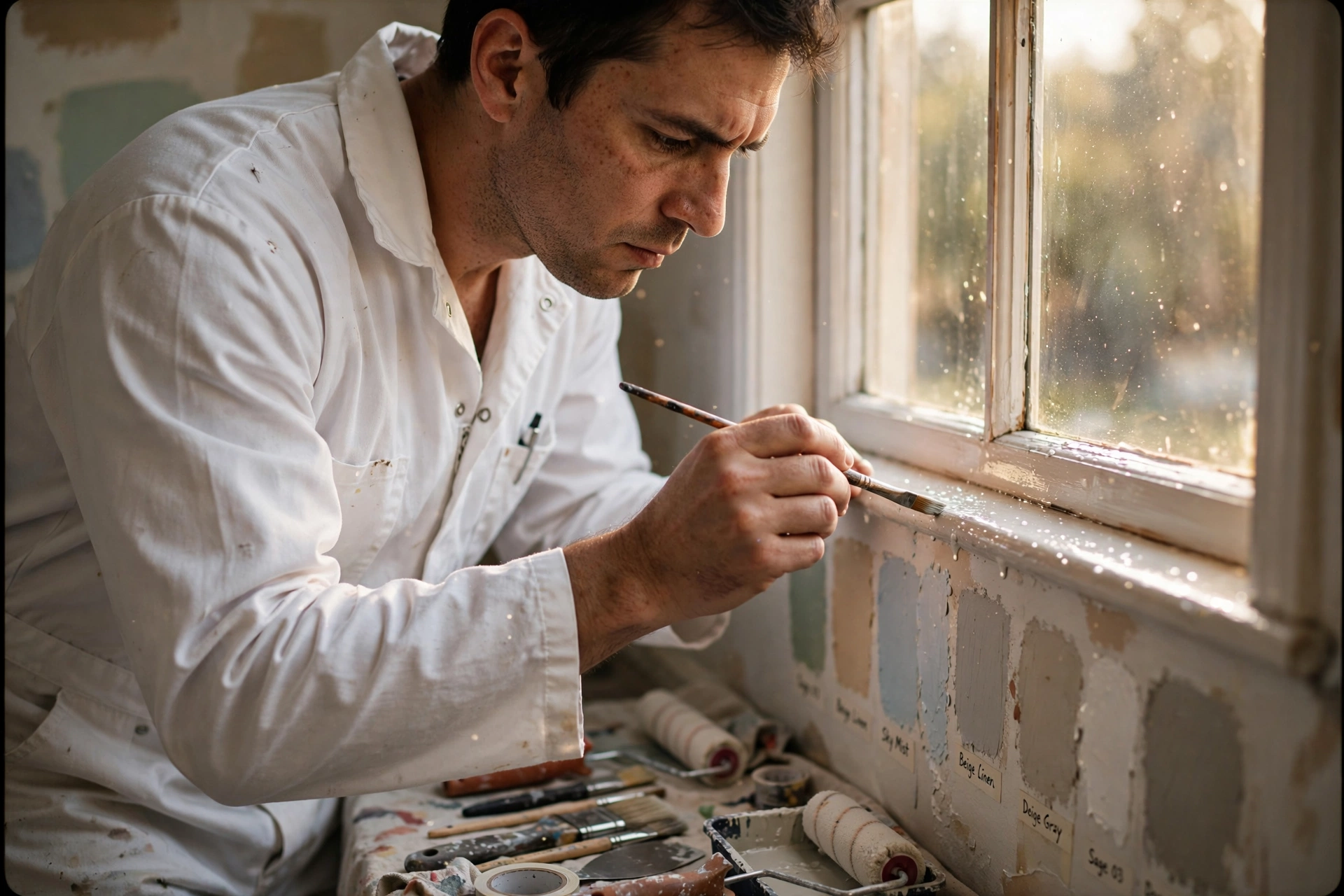
Light in the Bay Area varies wildly between the foggy coast of San Francisco and the bright sun of the East Bay. I always tell clients to test samples on three different walls in the room and observe them at morning, noon, and night. A color that looks like a soft grey in the morning can look purple or blue under the cool, overcast light of a foggy afternoon. Using a professional color specialist ensures that the "undertones" of the paint match the natural lighting of your specific neighborhood.
Final Thoughts on Finding Top Interior House Painters Options
Achieving a professional interior finish requires more than just a steady hand; it requires a commitment to the invisible parts of the process. By focusing on CSLB verification, rigorous surface preparation, and the correct chemistry of paints like those from Benjamin Moore and Sherwin-Williams, you ensure that your home remains beautiful for years rather than months.
If you are tired of dealing with unreliable contractors or the stress of a DIY project gone wrong, World Pro Painting is ready to help. We serve 42+ cities across the California Bay Area, providing a licensed, bonded, and insured experience that includes our signature 6-year guarantee. From the initial audit to the final walkthrough, we treat your home with the precision it deserves.
Whether you need a single room refreshed or a full estate overhaul, we invite you to experience the difference that professional preparation makes. For those managing complex projects, we also provide specialized services such as Multi-Family Painters Mission San Jose - Fremont, CA and Commercial Painting Cabrillo - Fremont, CA 2026.
Stop guessing and start investing in your home's value. Visit worldpropainting.com today to schedule your free on-site estimate and ensure your interior is handled by the best in the Bay Area.
For more localized options, you can also check out our services for Multi-Family Painters Niles - Fremont, CA or Exterior Painting in Birch Grove - Newark, CA (2026).
Reference Sources
For deeper context on this topic, these sources provide additional authoritative perspectives:
- Wikipedia — general knowledge reference
- GitHub — development and technology documentation
- The New York Times — news and journalistic updates
These references help establish a complete view of the subject matter.
Commercial Painting Cost Calculator & Color Guide
Get an instant estimation checklist for painting your office, warehouse, or house. Learn how to choose colors that boost productivity.